

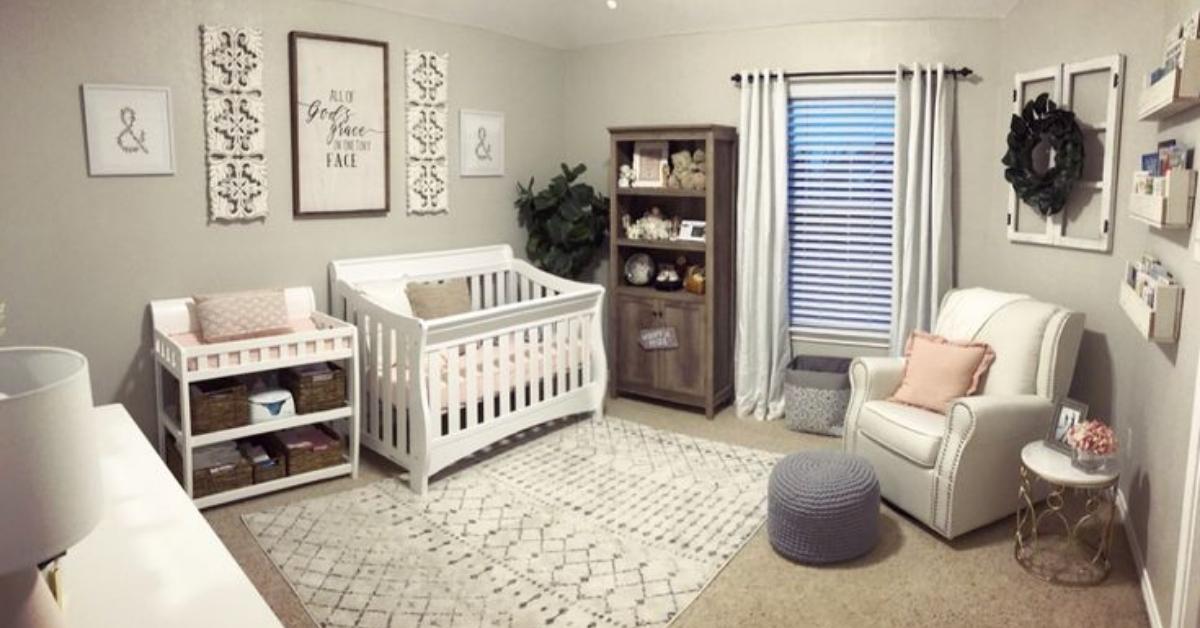
Soft walls, warm textures, and a layout that actually makes sense for a newborn’s room that’s what most parents are really after. Neutral nursery decor ideas have taken over for good reason: Neutral Nursery Decor Ideas they grow with the baby, work across genders, and create a genuinely restful environment instead of visual noise. If you’ve been scrolling through loud, themed nurseries wondering why none of them feel quite right, this is probably more your speed.
For anyone designing a nursery in a smaller apartment, a shared bedroom, or on a realistic budget, neutral doesn’t mean boring. It means intentional. The right combination of warm whites, natural wood, soft linen, and layered lighting can make even the most awkward room feel settled and serene.
In my experience, the rooms that hold up longest through the newborn phase, toddler chaos, and beyond are the ones built around a neutral base with just enough texture to keep things interesting. These 27 neutral nursery decor ideas cover everything from furniture placement to lighting to small-space hacks.
Warm White Walls With a Single Textured Accent Wall

Most nurseries go flat white and wonder why the room feels clinical. The fix is simple: use warm white (think creamy, slightly yellow-toned) on three walls, then add one textured accent limewash paint, a shiplap panel, or even a large woven wall hanging. The crib naturally sits against this wall, anchoring the layout without needing much else.
This works because texture adds depth without color, which is exactly what neutral nursery decor ideas are built on. The room reads as complete even when it’s minimally furnished. Best for renters who can do limewash and peel it back, or small nurseries where busy patterns would shrink the space visually.
A Low Crib Placement That Maximizes Natural Light
Where the crib goes determines how the entire room feels. Placing it perpendicular to the window not directly under it lets natural light fill the room without glaring onto the baby. This keeps one wall completely free for a dresser or open shelving, and the walking space around the crib stays open.
This layout is especially useful in square-shaped nurseries where furniture tends to crowd the center. The visual effect is a room that feels larger and more breathable, which also helps during those 3am wake-ups when you need to move around quickly without bumping into anything.
Natural Wood Furniture Against Soft Greige Walls

Oak, pine, or walnut furniture against a greige (grey-beige) wall is one of the most reliable combinations in neutral nursery decor. The warm wood tones stop the room from feeling cold, and greige sits perfectly between grey and beige neither too stark nor too yellow.
This setup works best when you keep the bedding and textiles white or oat-toned. Too many wood tones in different shades can muddy the palette. Go for matching or near-matching wood finishes on the crib, dresser, and any shelving it reads as intentional rather than collected from different rooms.
Linen Curtains Floor-to-Ceiling for a Taller Room Feel
Hanging curtains close to the ceiling instead of just above the window frame is one of those low-effort changes that visually restructures a room. In a nursery with standard 8-foot ceilings, floor-length linen panels make the walls feel taller and the room feel more considered.
Linen specifically works well here because it diffuses light softly rather than blocking it. Even with the curtains closed, the room stays warm and glowy which is exactly the energy you want during nap time. This is one I’d actually recommend trying first because the difference is immediate and the cost is relatively low.
Open Shelving With Curated Neutral Decor (Not Just Storage)

Open shelving in a nursery pulls double duty: storage and visual interest. The key is keeping the shelf styling intentionally: a mix of woven baskets, a small plant, a few board books spine-out, and one or two soft neutral toys. Not every item needs to be “decor,” but the edit matters.
Avoid the temptation to fill every inch. Negative space on shelves reads as calm, not empty, which is exactly the atmosphere neutral nursery decor ideas aim for. Wall-mounted shelves above a dresser also keep the floor clear, which is critical in smaller nurseries where every square foot counts.
Read More About : 21 Best Amazon Kids Room Decor Finds That Actually Make the Space Work
A Rocking Chair in a Corner With a Floor Lamp
Every nursery needs one comfortable adult seat, and a corner placement is almost always the right call. It keeps the seat out of the main traffic flow while creating a defined “feeding corner” that feels intentional. A warm floor lamp (arc style works well in corners) positioned just behind the chair adds layered lighting without ceiling fixture dependency.
This setup solves two problems: lack of comfortable seating for parents and flat overhead lighting that makes nighttime feeds feel harsh. A small side table for a water bottle and monitor completes the setup without cluttering the space.
A Neutral Gallery Wall Using Black Frames and Soft Art

Gallery walls can skew chaotic, but in a nursery context they work beautifully when kept tonal. Thin black frames with soft art simple line drawings, muted botanical prints, abstract shapes in cream and tan create a focused visual moment above a dresser or changing table.
Keep the layout tight and symmetrical if you’re working with a small wall, or spread it wider for a statement moment in a larger room. The black frames do the work of adding contrast against neutral walls without introducing any color. Honestly, this is one of the most budget-friendly ways to make a nursery feel finished.
A Jute or Wool Rug to Define the Crib Zone
Rugs in nurseries often get skipped because parents worry about cleaning. But a rug is what grounds the furniture layout and prevents the room from feeling like pieces were just placed randomly. A large jute or low-pile wool rug in a neutral tone cream, oat, sand placed under or just in front of the crib ties the whole corner together.
For practical purposes, go washable or choose a flat-weave that doesn’t trap too much. The rug should be large enough to extend past the crib on at least two sides. Undersized rugs make furniture float visually, which works against the sense of calm you’re building.
Soft Sage Green as a Neutral-Adjacent Accent

Sage green occupies an interesting middle ground; it reads as a neutral in the right light but adds just enough life to avoid the room feeling flat. It pairs naturally with white woodwork, natural wood furniture, and warm linen textiles without leaning “themed.”
In 2026, muted earthy greens are one of the strongest-performing directions in neutral nursery decor ideas, largely because they photograph well and age past the nursery phase. If you’re on the fence about committing to a full wall, try it as an accent wall or even just in the textile choices a sage linen pillow or crib skirt goes a long way.
Sheer Canopy Over the Crib for Softness Without Clutter
A canopy adds a moment of softness and dimension above the crib without wall space, shelving, or additional furniture. Sheer white or ivory fabric, hung from a ceiling hook centered above the crib, creates a cozy enclosure effect that photographs beautifully and costs very little.
This works especially well in rooms with high ceilings that feel too open, or in minimally furnished nurseries that need one statement piece to feel complete. Keep everything else in the room simple; the canopy is the moment, so it doesn’t need competition.
Wooden Mobile Instead of Plastic Nursery Sets

Most plastic nursery mobiles bring in color and visual noise that works against a neutral palette. A wooden mobile geometric shapes, abstract forms, or simple arcs in natural wood adds movement and interest without the color commitment. It also tends to look more considered and less like it came in a box set.
This is a small swap that makes a noticeable difference in how cohesive the room feels. Wall-mount or ceiling-hang options are both available, and many are available at low price points from small makers on Etsy or similar marketplaces.
Dresser as Changing Table With a Contoured Topper
A dedicated changing table takes up significant floor space and becomes useless within 18 months. A dresser with a removable changing topper solves both problems: it functions as a changing station now and converts to regular storage later. This is especially practical in smaller nurseries where square footage is tight.
Style the dresser top with a woven basket for diapers, a small tray for creams, and one or two understated decor pieces. The surface stays functional without looking clinical, which is the balance most neutral nursery decor ideas are trying to hit.
Wall-Mounted Sconces for Layered Nursery Lighting

Overhead lighting in a nursery is often the weakest point in the design. A single ceiling fixture tends to create flat, harsh light not ideal for a baby’s sensitive eyes or for nighttime feeding sessions. Wall-mounted sconces on either side of the crib (or beside the rocking chair) introduce warm, directional light that can be used independently of the main ceiling fixture.
Plug-in sconces work for renters and avoid any electrical work. Warm bulbs (2700K or lower) keep the light amber and sleep-friendly. This is a layered lighting setup that makes the room feel genuinely livable at all hours.
Read More About : 27 Outdoor Play Area Ideas for Kids That Actually Work in Real Backyards
Built-In or Freestanding Bookshelf as a Room Divider
For studio apartments or shared bedrooms, a low bookshelf can define the nursery zone without a full wall. Placed perpendicular to the main room, it creates a visual boundary, adds storage, and doesn’t block light. Neutral-painted or natural wood options blend into the existing space rather than fighting it.
This setup requires the shelf to be properly anchored to a wall or weighted at the base stability is non-negotiable in a nursery. But functionally, it solves the “no separate room” problem without renovation.
Peel-and-Stick Wallpaper on One Wall for Renters

Peel-and-stick wallpaper has improved significantly in quality and has become one of the most practical tools for neutral nursery decor ideas in rented spaces. A single accent wall behind the crib in a soft, tonal pattern (micro-geometric, delicate botanical, soft arch repeat) adds character without overwhelming the room.
The key is scale: small, soft patterns read as texture from across the room. Large bold prints in a small nursery tend to crowd the space visually. Stick to patterns where the background and foreground are both within the same neutral family.
Woven Basket Storage as Decor and Function
Woven baskets are one of the hardest-working pieces in a neutral nursery. They hold blankets, toys, diapers, and extras while also adding the organic texture that keeps neutral rooms from feeling sterile. Seagrass, rattan, and water hyacinth all work within a neutral palette without introducing color.
The floor basket near the rocking chair (for extra blankets) and shelf baskets for smaller items are the two most useful placements. Matching basket styles across the room even loosely keeps the visual language consistent.
A Soft Neutral Mobile Shelf for Books and Small Toys

A curved or arch-shaped floating shelf adds more visual interest than a standard rectangular one, and the shape softens the room in a way that feels appropriate for a nursery. Styled with a small selection of board books (facing out, covers visible) and one or two soft toys, it becomes both functional and decorative.
This works best above the dresser or on the wall opposite the crib, a visual landing point for the eye when you enter the room. Keep the styling to five or six items maximum; more than that tips from curated into cluttered.
Cream and Oat Textiles for Depth Without Pattern
Layering textiles in the same tonal family cream fitted sheet, oat muslin swaddle, ivory knit blanket creates visual depth without introducing pattern or color. The subtle variation between shades keeps the crib from looking flat while staying firmly within the neutral nursery palette.
This approach also gives you flexibility: individual pieces can be swapped out as the baby grows without disrupting the overall look. Linen and muslin are the most practical fabrics here; they breathe well and soften with washing rather than pilling.
A Simple Cloud or Star Light for Gentle Overhead Interest

Ceiling fixtures in nurseries don’t have to be purely functional. A simple cloud or star-shaped pendant in white, cream, or natural material adds a quiet playfulness that works within a neutral scheme without tipping into themed territory. The shape reads as gentle and childlike without being loud.
Keep the bulb warm-toned and use a dimmer if possible. Nursery lighting should always have a low-light option for nighttime without being completely switched off; a dimmable ceiling pendant solves this cleanly.
Floating Corner Shelves for Tight Nursery Layouts
Corner shelves are one of the most underused solutions in nursery design. They occupy a zone that typically goes unused, add storage without consuming wall width, and when styled correctly become a visual anchor for the room’s smallest wall. In tight nurseries, this can make the difference between a room that feels functional and one that feels chaotic.
Mount two or three corner shelves at staggered heights for a collected, intentional look. Limit decor to light items (books, small baskets, a plant) and keep them properly anchored given the corner placement.
Warm Wood Floor With a Washable Flat-Weave Rug

Wood floors photograph beautifully in nurseries and are easy to clean but without a rug, the room can feel cold and echo-heavy. A washable flat-weave rug in cream, oat, or a simple stripe provides warmth, sound absorption, and defines the layout without the cleaning anxiety of a thick pile.
Flat-weave rugs are also safer for new walkers with no trip-edge risk, easy to vacuum, and most are machine washable in a standard home machine. Prioritize size: a rug that fits under the crib and extends to the chair is more effective than one that only covers the floor in between.
Simple Arch Mirror to Add Light and Space
A large arch mirror does two things in a nursery: it bounces natural light further into the room and makes the space read as larger. Placed on the wall opposite the window, it effectively doubles the light in the room without any electrical work.
Keep it leaning against the wall rather than hung if the baby won’t be mobile near it yet the casual lean actually reads as more relaxed and intentional than a precisely hung frame. White or natural wood frames keep it firmly within the neutral nursery palette.
Name Sign in Natural Wood Letters

Personalization in a neutral nursery often comes down to the baby’s name and wooden letters in a simple font are one of the cleanest ways to do it. Rather than hanging them on the wall (which requires multiple anchor points and precise leveling), styling them on a shelf or dresser top is easier and more flexible.
Natural wood, white-painted wood, or neutral-toned macramé letters all fit within the palette. Keep the font simple serif or rounded and avoid anything overly ornate that might fight with the room’s calm energy.
A Neutral-Toned Print Above the Crib Instead of a Mobile Wall
If a gallery wall feels like too much, a single large print above the crib creates a similar anchoring effect with far less effort. Abstract shapes in cream and sand, a soft botanical illustration, or a simple typographic print in a muted font all work within neutral nursery decor ideas without competing for attention.
Choosing a frame that’s proportional to the crib width roughly 60–70% of the crib’s length is a reliable guide. Too small and it floats; too large and it crowds. White or natural wood frames keep the focus on the art itself.
Low-Profile Storage Ottoman for the Nursery Floor

A storage ottoman near the rocking chair serves as a footrest during feeds, extra seating when needed, and hidden storage for blankets or burp cloths. It also keeps the floor less cluttered than open baskets in the same zone.
Round ottomans work particularly well in nurseries because the soft edge is safer in a room where adults move around in the dark. Cream, oat, or a muted taupe in a bouclé or velvet fabric fits naturally within the neutral nursery palette and holds up to light wear well.
A Small Trailing Plant for Organic Softness
Plants are one of the simplest ways to add life to a neutral nursery without introducing color in a disruptive way. A trailing plant on a high shelf of pothos, string of pearls, or a simple ivy adds an organic element that softens the room without competing with the neutral palette.
Keep plants out of reach as the baby becomes mobile, and choose low-maintenance varieties that don’t require frequent watering. The visual effect of a trailing green against a warm white or greige wall is subtle but genuinely effective at making the room feel alive.
Consistent Hardware as a Finishing Detail

Hardware is the kind of detail that most people skip and then notice later. Swapping out default dresser hardware for something consistent with warm brass knobs, matte black pulls, or brushed nickel takes 20 minutes and makes the furniture look deliberate instead of default.
In a neutral nursery, hardware acts as the jewelry of the room: small, but responsible for tying the finish level together. Warm brass reads as slightly elevated and pairs naturally with wood tones; matte black is sharper and works better in cooler neutrals. Either way, consistency across all pieces is what matters most.
What Actually Makes These Neutral Nursery Decor Ideas Work
The biggest misconception about neutral nurseries is that they’re about color or the absence of it. They’re really about texture, light, and scale working together. A room with flat white walls, no rug, one ceiling light, and mismatched furniture will feel incomplete regardless of how “neutral” the palette is.
What actually holds these rooms together is layering: warm walls plus natural wood plus soft textiles plus directional lighting. Each element adds something the others don’t. Remove one layer and the room starts to feel unfinished. The ideas in this list are most effective when a few of them are used in combination rather than in isolation.
Space scale also matters more than most guides acknowledge. A large crib in a small room with minimal clearance will always feel cramped, regardless of how well the decor is styled. Getting the furniture scale right first, then adding textiles and lighting, is the correct sequence.
Neutral Nursery Decor Ideas: Setup Comparison Guide
| Setup | Best For | Space Type | Problem Solved | Budget Level |
| Textured accent wall | Visual interest without color | Small to mid nurseries | Flat, clinical feel | Low–Mid |
| Dresser as changing table | Long-term use + storage | Small nurseries | Wasted floor space | Mid |
| Wall sconces | Layered, sleep-friendly lighting | Any size room | Harsh overhead light | Low–Mid |
| Open shelving | Storage + decor display | Mid to large nurseries | Cluttered surfaces | Low |
| Peel-and-stick wallpaper | Character in rented spaces | Any size | Blank, boring walls | Low |
| Corner shelves | Tight layout optimization | Very small nurseries | Unused corner space | Low |
| Arch mirror | Light + visual space expansion | Dark or small rooms | Poor natural light | Mid |
| Storage ottoman | Multi-use floor seating | Any nursery | Clutter near chair | Low–Mid |
How to Design Your Neutral Nursery for Better Flow and Function
Start with the crib placement before anything else. The crib position determines traffic flow, furniture arrangement, and how light moves through the room. Once it’s placed correctly away from direct window glare, accessible from at least two sides, with clear walking space everything else follows more naturally.
Next, address lighting before decor. Most nursery mistakes happen when people style the room beautifully but leave the lighting flat. Identify where you’ll feed at night, where you’ll do diaper changes, and where natural light enters. Build a lighting layer for each zone even simple plug-in solutions work before committing to the final look.
Then layer textiles and storage. Rugs, curtains, and baskets are the three categories that most affect how finished and functional a nursery feels. They’re also the most flexible, easy to swap, move, or add without redoing the layout. In my experience, getting these three right accounts for about 70% of the visual difference between a nursery that looks styled and one that just looks furnished.
Finally, add personal and decorative touches last. Art, name signs, plants, and mobiles are finishing details, not starting points. Rooms that feel cohesive are built from the structure inward layout, lighting, textiles, then decor not the other way around.
FAQ’s
What colors count as neutral for a nursery?
Neutral nursery colors include warm whites, cream, oat, beige, greige, soft sand, and muted earthy tones like sage green or warm taupe. The key is low saturation colors that don’t read as bold or bright in natural light.
How do I keep a neutral nursery from feeling boring or flat?
Texture is the answer. Layer materials: linen curtains, a woven rug, a knit blanket, wood furniture to create visual depth within the same tonal palette. Flat neutral rooms feel boring because all the surfaces are the same material and finish, not because the colors are too quiet.
Are neutral nursery decor ideas practical for newborns vs toddlers?
Yes this is actually one of the main advantages. Neutral nurseries age well and don’t need to be redesigned as the baby grows. Swap out mobiles for books, add a small play rug, or introduce a low shelf as the child becomes more active. The base palette stays functional across stages.
What’s the best furniture layout for a small neutral nursery?
Place the crib on the longest wall, keep the dresser (or dresser-changing table combo) on the wall adjacent to it, and leave the wall opposite the door as open as possible. This keeps the center of the room clear for movement and makes the space feel larger than it is.
Neutral vs colorful nursery: which is better long-term?
Neutral nurseries generally offer better longevity, the decor doesn’t become dated as quickly, and pieces can be reused if you have a second child regardless of gender. Colorful nurseries can be lovely, but they often require more updates as the child grows and tastes change.
How do I add personality to a neutral nursery without adding color?
Through shape, material, and detail. A curved arch mirror, a handmade wooden mobile, a textured wall hanging, or a custom name sign in a beautiful font all add personality without color. The room’s character comes from the quality and intentionality of the choices, not the palette.
Do I need a rug in a nursery?
A rug is strongly recommended. It grounds the furniture layout, adds warmth underfoot, absorbs sound, and makes the room feel finished. In a neutral nursery specifically, the rug is often the most important single textile; it sets the tone for everything placed on top of it.
Conclusion
A well-designed neutral nursery isn’t about restraint, it’s about getting the fundamentals right. When the layout works, the lighting is layered, and the textiles are thoughtfully chosen, the room functions beautifully for the baby and feels genuinely comfortable for the adults spending long hours in it. These neutral nursery decor ideas are built around real-space logic, not just aesthetics.
Start with two or three ideas that match your room size, budget, and layout: the crib placement, a rug, and layered lighting are the most impactful starting points for almost any nursery. Build from there. You don’t need to do everything at once; a neutral base gives you room to add gradually, and every intentional addition moves the space in the right direction.
