

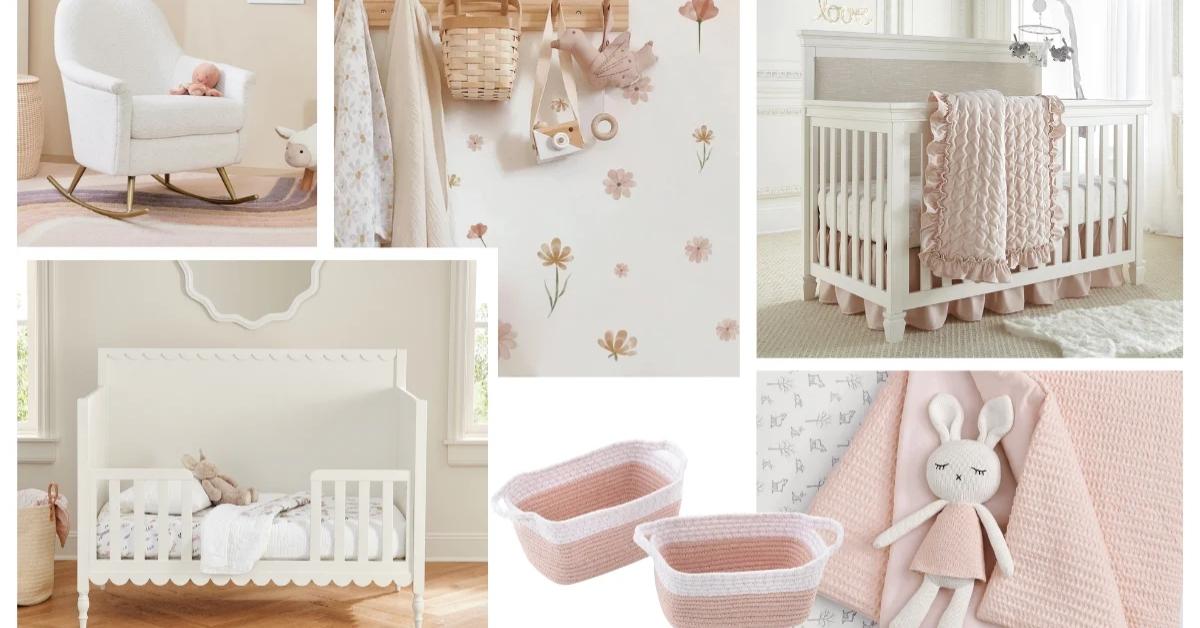
Setting up a nursery on a tight budget can feel like a design compromise but it doesn’t have to. Most parents assume a beautiful, functional baby room requires spending big on furniture sets and matching accessories. In practice, the nursery ideas that photograph best (and actually hold up over time) are usually the ones built around smart layout choices, layered lighting, and a few well-placed pieces, not a $2,000 crib package.
If you’re working with a spare bedroom, a partitioned studio corner, or a small room that needs to do double duty, this guide is built for that reality. These budget nursery decor ideas are practical, scalable, and designed to grow with your child past the infant stage.
Paint One Accent Wall in a Soft, Grounded Tone

A single painted wall behind the crib or changing table does the heavy lifting of a “designed” room without the cost of wallpaper or full-room painting. A dusty sage, warm clay, or muted terracotta creates visual depth and a natural focal point. Place the crib flush against it, centered, with a simple wooden shelf above holding a plant or two small decor objects. The wall creates the illusion that the whole room was intentionally styled, even if the rest of the space is kept neutral. This works especially well in small nurseries where too much color can feel overwhelming. One saturated wall grounds everything without closing in the room.
Use a Freestanding Shelf Unit Instead of Built-Ins
Wall-mounted shelves and custom built-ins can cost hundreds of dollars and leave holes if you’re renting. A freestanding cube shelf unit two-by-two or four-cube functions as storage, display space, and a room anchor. Fill the lower cubes with fabric baskets for diapers and folded onesies. Use the upper cubes for board books, a small plant, and soft decor. It keeps the floor clear, organizes essentials without a dedicated dresser, and can move to another room or serve as a toy organizer as your child grows. In my experience, this is one of the first pieces I’d recommend investing in. The versatility outlasts the infant phase by years.
Layer Two Light Sources Instead of One Overhead Fixture

Overhead lighting in a nursery is almost always too harsh for nighttime feeds and early mornings. Instead, use two softer sources: a warm-toned floor lamp in a corner (ideally behind the nursing chair) and a small rechargeable nightlight near the changing area. The floor lamp creates ambient warmth, while the nightlight handles functional visibility without waking the baby fully. This two-source approach makes the room feel cozy rather than clinical, and both lamps are usually under $40 combined. It also works beautifully in rooms with no overhead fixture at all, which is common in older apartments.
Choose a Convertible Crib That Grows With the Child
A convertible crib is one of the few nursery purchases where spending slightly more upfront genuinely saves money long-term. These cribs convert to a toddler bed and some to a full twin so you’re not replacing furniture at 18 months. On a budget, look for mid-range options without excessive spindle detailing (simpler designs tend to be better priced and more versatile stylistically). Pair it with a good quality mattress and skip the matching dresser. Almost any small dresser or cube shelf does the same job for less. This is the one piece where the investment calculus actually makes sense.
Mount a Simple Wooden Shelf at Picture Rail Height for Decor

A single floating shelf at around 4–5 feet of height (above reach, below ceiling) gives you a place to rotate seasonal decor, display framed prints, or store items you want visible but out of small hands. The key is keeping it sparse, three to five objects max. A small potted succulent, two framed prints, and a soft plush animal reads as intentional and designed. Overcrowding it turns a design feature into visual noise. This setup works in nearly any nursery size and costs less than $30 if you use a basic bracket shelf from a hardware store.
Add a Secondhand Nursing Chair With a New Cushion
Nursing chairs from big baby retailers often cost $300–$600. A secondhand wooden armchair with good back support, recovered with a washable cushion cover, does exactly the same job. Look for chairs with armrests (critical for nighttime feeds) and a seat height that lets your feet rest flat on the floor. Add a small side table beside it for a water glass and your phone. The corner becomes a functional nursing zone that also reads as a proper seating vignette not just a feeding station. Honest reality: comfort matters more than aesthetics here, but a simple chair with a good cushion can achieve both.
Use Peel-and-Stick Wallpaper on a Half-Wall

Peel-and-stick wallpaper is now genuinely renter-friendly, and applying it only to the lower half of one wall (a “dado” treatment) requires less material, less effort, and looks more intentional than a full wallpaper job. Choose a subtle pattern, small leaves, soft abstract shapes, or a quiet geometric. The upper half stays painted, usually white or a pale neutral. This breaks up a plain room without overwhelming a small space. Most peel-and-stick options run $20–$40 per roll, and a half-wall treatment typically uses one to two rolls maximum.
Frame Affordable Art Prints in Matching Simple Frames
A gallery wall of three to five matching frames of the same width, same finish gives a nursery a cohesive, styled feel for under $30. Digital download prints from design marketplaces cost $3–$8 each, and simple thin frames from thrift stores or discount home stores fill out the set. Line art illustrations of animals, botanical shapes, or simple typographic prints work well in neutral nurseries. Hang them at eye level for an adult standing (not child-level) to keep the wall proportionate to the room. The secret is the matching frames, mixed sizes and finishes feel scattered even with beautiful prints.
Read More About : 27 Best Minimalist Nursery Decor Ideas That Make Small Baby Rooms Feel Calm and Complete
Use a Rolling Cart as a Mobile Changing Station

A tiered rolling cart, the kind widely available for around $30–$50 organizes diaper supplies, extra clothes, and nighttime essentials in a way that’s completely portable. Park it beside the changing table, and you have everything within arm’s reach without building a custom storage system. The top tier holds active supplies (diapers, wipes, cream), the middle tier holds a change of outfits, and the bottom tier stores backup stock. When the baby outgrows diapers, the cart moves to the bathroom or playroom. It’s one of the more quietly functional pieces in a budget nursery setup.
Install Curtains Higher and Wider Than the Window
Hanging curtains six to ten inches above the window frame and extending the rod four to six inches past each side makes windows look significantly larger and ceilings feel taller. This is especially useful in small nurseries where standard window trim looks modest. Use sheer white or linen-weight panels for daytime softness, and add a blackout roller blind underneath for naps and nighttime (blackout blinds are worth the $15–$20 investment for sleep quality). The overall effect makes the room feel airier without changing a single piece of furniture.
Create a Reading Nook With a Floor Cushion and Low Shelf

A dedicated reading corner even in a small room sets up a habit that carries through childhood. A large floor cushion (or a small toddler chair) placed beside a low shelf with books displayed face-out creates an obvious invitation to read. The face-out display matters: children choose books by cover, and it makes the corner feel curated rather than like a storage pile. Keep the shelf low enough that a toddler can eventually access it independently. This setup costs under $40 total with a budget cushion and a basic wall-mounted ledge shelf.
Use Woven Baskets for Floor-Level Storage
Woven baskets on the floor serve as storage that also looks intentional. One large basket for blankets and stuffed animals near the crib, one medium basket for extra diapers near the changing area, and a small basket on a shelf for odds and ends is enough to keep a nursery floor clear without dedicated furniture pieces. Seagrass and rattan weave styles add texture and warmth to neutral rooms. The key is uniformity: matching material across all baskets (even if different sizes) reads as designed rather than miscellaneous. Budget versions run $8–$20 each.
Add a Mobile Above the Crib Using Natural Materials

A crib mobile is one of the most impactful visual elements in the room; it’s literally the first thing a baby focuses on. DIY versions made from a wooden dowel, natural string, and fabric felt shapes or wooden beads cost less than $15 in materials and look far more distinctive than mass-produced plastic mobiles. Keep it simple: five to seven elements hanging at different heights from a horizontal dowel. Neutral colors (cream, sage, terracotta) age better than primary colors and photograph well. The tactile quality of natural materials also contrasts nicely with smooth painted walls.
Paint the Ceiling a Soft Color While Keeping Walls White
A colored ceiling in a neutral-walled nursery is one of those slightly unconventional ideas that makes a room feel genuinely special without much cost. Soft pale blush, misty blue, or sage green on the ceiling while walls stay white creates a cocooning effect: the room feels enclosed and calm without feeling dark or small. It also adds the “designed” quality that usually requires wallpaper. A ceiling uses far less paint than walls (often one small test pot is enough for a standard room), making it one of the most cost-effective design moves in the list.
Read More About : 28 Small Nursery Setup Ideas That Actually Work in Tight Spaces
Style the Changing Table Tray Like a Flat Lay

The changing table surface is one of the most-seen areas in a nursery during the early months. Treating it like a styled tray with a small plant, neatly folded cloth wipes in a basket, and matching storage containers for cream and cotton pads makes a purely functional surface feel part of the room’s design. Use a small tray to contain the items (a wooden or ceramic tray from a thrift store works perfectly) and keep it edited to only what you actually use daily. The visual effect is significant relative to the effort, and it keeps the changing area organized automatically.
Bring in One Natural Wood Piece to Break Up White Furniture
An all-white nursery can tip toward sterility if there’s no warmth anywhere. One natural wood piece, a dresser, a small side table beside the nursing chair, or a wooden toy box breaks the palette without requiring a full furniture change. Look for secondhand pieces in solid oak, pine, or beech; even unfinished wood stained with a simple wax finish works. The contrast between white and wood is what gives contemporary nurseries their clean-but-warm quality. You don’t need much: a single piece at floor level reads through the whole room.
Hang a Fabric Banner or Garland Above the Crib

A fabric banner, felt garland, or cotton tassel strand hung above the crib adds texture and visual interest to a plain wall without requiring nails or permanent fixtures (most can be hung with removable strips). This is especially useful in rented spaces. Simple designs such as an arch of felt clouds, a pastel tassel garland, or a single-color fabric rainbow photograph well and feel handmade without requiring craft skills. Ready-made options run $10–$20 on most marketplaces; DIY versions with felt and twine cost less. It fills the vertical space above the crib in a way that feels intentional rather than decorative clutter.
Use a Crib Skirt in a Textured Fabric to Add Depth
A crib skirt is often overlooked, but it does two things at once: it hides under-crib storage (you can slide flat bins of extra supplies under a standard crib) and adds a layer of texture to the most prominent piece of furniture in the room. A simple linen or waffle-weave fabric in white, oatmeal, or pale gray adds quiet visual interest without competing with other decor. Most crib skirts run $15–$30, and they make an inexpensive crib look more finished immediately. I’ve noticed this detail makes more of a difference in person than it does in photos. The room just feels more complete.
Use Removable Wall Decals Strategically, Not Saturatingly

Wall decals often get applied in excess to a full constellation, a forest scene, a complete alphabet. The better approach is restraint: one large, simple shape in a corner or above a furniture piece, with plenty of blank walls around it. A single oversized leaf, a simple crescent moon, or a minimal mountain range silhouette reads as a deliberate design choice rather than a budget workaround. Keep the decal in a color that pulls from one existing element in the room (a rug, the curtains, the accent wall), and it ties the space together instead of sitting independently on the wall.
Add a Small Round Mirror at Adult Eye Level
A round mirror, even a small one, 18–24 inches in diameter reflects light and adds the illusion of depth to a small nursery. At adult eye level, it doubles as a practical check before leaving the room; at that height, it’s also safely out of the child’s reach. A simple circular frame in natural wood or brushed brass keeps the look clean. This is one of those pieces that does work proportionally outsized to its cost; budget options start around $15. In rooms with limited natural light, positioning the mirror to catch the main light source makes a measurable difference in how bright the room feels.
Anchor the Crib Area With a Small Rug

A rug under the crib and nursing chair creates a defined zone within the room which matters especially in open-plan nurseries or shared spaces. It softens the floor sound, adds warmth, and anchors the furniture arrangement so it doesn’t look randomly placed. A round rug works well in most crib layouts; a small rectangular rug (around 5×7 feet) gives more coverage. Choose a low-pile or flat-weave option in a neutral or muted tone cream, dusty blush, sage, or warm gray. Shaggy or deep-pile rugs trap debris and are harder to clean. Budget-friendly options at 5×7 typically run $40–$80.
What Actually Makes These Budget Nursery Decor Ideas Work
The through-line in all 21 of these ideas is the same principle: visual coherence comes from restraint, not quantity. A nursery that looks intentionally designed almost always has fewer things in it than one that feels cluttered and expensive.
The three practical drivers are: a consistent color palette (two to three tones throughout), enough storage to keep functional items out of the visual field, and layered lighting that removes the harshness of a single overhead bulb. None of those things require a large budget, they require decisions.
One note on sequencing: if you’re setting up before the baby arrives, start with the crib, the lighting setup, and storage (the cart, the shelf unit, the baskets). Decor the art, the mobile, the banner can be added gradually and adjusted over time. The functional layer matters first; the decorative layer follows.
Budget Nursery Decor: Quick Setup Guide by Space Type
| Idea | Best For | Space Type | Problem Solved | Difficulty |
| Accent wall | Any nursery | Small–medium | Plain, unfinished feel | Easy |
| Freestanding shelf unit | Renters | Small | No dedicated storage | Easy |
| Layered lighting | All nurseries | Any size | Harsh overhead light | Easy |
| Convertible crib | Long-term budget | Small–medium | Outgrowing furniture fast | Easy |
| Peel-and-stick wallpaper half-wall | Renters | Small | Boring walls | Moderate |
| Rolling cart | Apartment nurseries | Very small | Disorganized supplies | Easy |
| High-hung curtains | Small rooms | Small | Low ceilings, small windows | Easy |
| Reading nook with low shelf | Active nurseries | Small corner | No reading habit space | Easy |
| Colored ceiling | Any nursery | Any | Flat, uninteresting room | Easy |
| Round mirror | Dark or narrow rooms | Small | Poor light, cramped feel | Easy |
Common Budget Nursery Mistakes That Make the Room Feel Cluttered
Over-decorating before the baby arrives.
It’s tempting to fill every surface and wall before the due date, but babies need very few objects in their immediate environment and overloading a small room makes it feel chaotic rather than cozy. Start with structure (furniture, storage, lighting) and add decor pieces gradually based on what the space actually needs.
Choosing decor in too many competing colors.
Budget buys often lean toward primary or saturated colors, brightly colored bins, bold prints, multicolor rugs and mixing too many of them in one room creates visual noise that no layout trick can fix. Decide on two to three tones before buying anything: a neutral base, a soft accent color, and wood tone. Filter every purchase through that palette.
Ignoring the changing table zone.
The crib area usually gets all the decorative attention, but the changing table is where you spend the most active time during the first year. Keeping it organized and slightly styled makes a real difference in how the room functions day-to-day.
Skipping blackout window treatment.
The single functional upgrade with the most impact on daily life in a nursery is a blackout blind. It costs $15–$25 and directly affects nap quality which affects parental sanity. Aesthetically layering curtains over it handles the style side.
FAQ’s
What’s the most important thing to spend money on in a budget nursery?
The crib mattress and blackout window covering. Everything else is flexible on budget, but sleep quality depends directly on those two. A firm, flat-surface crib mattress and a functional blackout blind are non-negotiable safety and practicality items; the rest of the decor can be gradually added or adjusted.
How do I make a small nursery look bigger without spending much?
Hang curtains as close to the ceiling as possible, keep the floor mostly clear, and use a light, cohesive color palette throughout. A small round mirror reflecting natural light also makes a measurable difference. The biggest mistake in small rooms is too much furniture. One storage solution that works well beats three that crowd the space.
Can I do a nursery without buying all-new furniture?
Yes and in most cases, secondhand pieces work just as well. Cribs bought secondhand should be checked against current safety standards (avoid cribs manufactured before 2011, which may predate updated safety regulations). Dressers, bookshelves, chairs, and side tables are all fine to use.
What’s the difference between a nursery that looks cheap and one that looks budget-done-well?
Cohesion. A room with mismatched frames, competing colors, and surfaces covered in random objects looks cluttered regardless of what was spent. The same items arranged in a consistent palette with edited surfaces look intentional. Matching small details, same frame finish, same basket material does more than expensive individual pieces.
How do I make a renter-friendly nursery that still feels designed?
Prioritize removable solutions: peel-and-stick wallpaper, removable wall decals, freestanding furniture, and curtain rods that use tension or Command hooks. A colored ceiling is also renter-friendly if you’re willing to repaint on move-out. Most landlords allow painting with repainting as the lease-end condition, so an accent wall is often an option too.
Is it worth buying a separate nursing chair for the nursery?
If you have the floor space, yes it makes nighttime feeds significantly easier and creates a functional zone within the room. But it doesn’t need to be a purpose-built glider. Any armchair with good back support, armrests, and a comfortable seat height works. A secondhand option with a washable cushion performs exactly the same function at a fraction of the cost.
When should I add decor versus focusing on function first?
Set up functional items first: crib, storage, lighting, and blackout window covering. Then add decor in layers start with what you already own or receive as gifts. Most people find the “final” version of their nursery settles around two to three months in, once they know how they actually use the space.
Conclusion
A well-designed nursery on a budget comes down to a few consistent principles: organized storage that keeps functional items out of sight, layered lighting that avoids harshness, a cohesive color palette, and furniture arranged to create clear movement flow through the room. None of those things require significant spending; they require a clear plan applied consistently across smaller decisions.
Start with one or two ideas from this list that fit your actual space and setup. If your room feels flat, try the accent wall or the colored ceiling first. If it feels cluttered, prioritize the shelf unit and the rolling cart before adding any decor. Small changes applied to the right problem make a more noticeable difference than buying new pieces across the board.
