

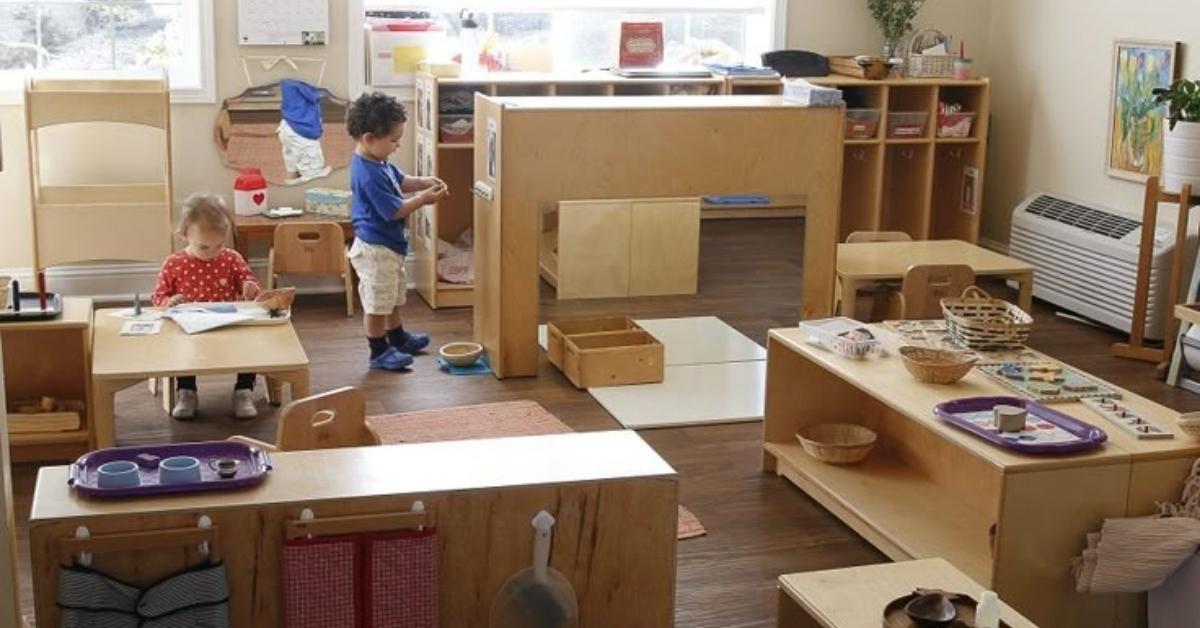
Setting up a kids room that genuinely supports independence without turning into a cluttered mess in three days is harder than the aesthetic makes it look. The Montessori approach promises a lot: calmer kids, more self-directed play, less chaos. But most of the inspo you’ll find online assumes you have an entire room to dedicate, Montessori Kids Room Setup Ideas painted in the perfect shade of warm white, with custom built-ins. Most of us are working with something more realistic.
If you’re trying to make your child’s room functional without a full renovation budget, these Montessori kids room setup ideas are grounded in the actual principles, low furniture, accessible materials, defined zones adapted for the kinds of spaces most families actually live in.
For anyone working with a shared room, a small bedroom, or a space that needs to grow with a toddler through early elementary age, this list focuses on practical setups rather than aspirational aesthetics.
Floor-Level Bed Frame With Open Access on Both Sides

The floor bed is the most recognizable element of a Montessori kids room setup, and it earns its place. A low platform frame or even a mattress on a low slatted base placed with clearance on both sides lets a child get in and out independently without needing a parent. The visual effect in the room is also notable: with the sleeping area sitting low, the walls above feel taller and the room reads as more open. Pair it with linen bedding in a neutral or muted tone, and the bed stops dominating the space visually. This setup works especially well in smaller bedrooms where a standard bed would make the room feel top-heavy. The biggest problem it solves is morning and nighttime autonomous kids who can access their own sleep space tend to need less adult intervention at both ends of the day.
Open Low Bookshelf Arranged With Covers Facing Out
Standard bookshelves shelve books spine-out, which requires a child to already know what they’re looking for. Forward-facing bookshelves, the kind with a narrow ledge display, cover visually so a child can browse independently, the way you’d look at a wall of art. A low unit, ideally sitting no taller than 24 inches, puts everything within a child’s sightline and reach. Keep the selection small and rotate it every few weeks rather than cramming in every book you own. Fewer options displayed clearly beats a packed shelf. This setup is especially effective in rooms where reading isn’t a consistent habit yet visual access to the books is usually what’s missing.
Activity Trays on a Low Open Shelf by Function

One of the most underused Montessori tools for home setups is the tray system. Individual activitiesa small puzzle, a threading toy, a counting setare organized on separate trays and displayed on a low shelf so a child can select, complete, and return one activity at a time. The trays do a few things simultaneously: they create a defined boundary for each activity (everything for this task lives here), they make cleanup intuitive (the tray goes back to the shelf), and they reduce the overwhelm that comes from a bin full of mixed toys. A low four- or five-shelf unit works well here. This is a genuinely useful setup for toddlers and preschool-aged kids, particularly in homes where toy clutter is the main ongoing issue.
Defined Movement Area With a Thin Low Mat
A dedicated movement zone doesn’t need to be large; a yoga mat or thin foam mat in a corner of the room, away from the reading or sleeping zone, gives kids a defined space for physical activity. The separation between zones is more important than the size of each. When the floor space is clearly organized by function, kids tend to use each area more intentionally. In small rooms, even a 4×6 mat in one corner communicates a distinct purpose. This is most useful for ages 18 months to 4 years, when unstructured movement is a primary mode of learning and you want it happening in a contained space rather than across the whole room.
Child-Height Hanging Rail for Independent Dressing

A low clothing rail either freestanding or wall-mounted at about 24-30 inches with a small selection of daily outfits hung visibly gives a child both the visual access and the physical ability to choose and handle their own clothes. This isn’t about having all clothing accessible; it’s about creating a morning routine that a child can start without help. Keep 4-5 outfits here at a time, rotated seasonally. A small low basket or open drawer beneath it handles folded basics like socks. In my experience, this one setup change has more impact on morning friction than almost anything else, getting dressed becomes a task the child initiates rather than something done to them.
Reading Nook With Floor Cushions and a Single Overhead Light
A dedicated reading area doesn’t need to be a built-in window seat. A large floor cushion or a low bean bag positioned against a wall, with a floor lamp or a directional overhead light positioned above it, creates a distinct reading zone. The key is the contained quality of the space when a child sits in the cushion area, they’re “in” the reading nook. Add a small forward-facing shelf nearby for the current book rotation. This setup works especially well in narrow rooms where a designated corner can serve as an anchor for quiet independent activity. The light direction matters here: position it so it falls on the page from slightly above and to one side, which reduces eye strain and keeps the nook feeling intentional rather than casual.
Low Child-Height Mirror Near the Dressing Zone

A full-length mirror mounted low bottom edge at about 12 inches from the floor serves two functions in a Montessori room. It gives children visual feedback while dressing independently, which matters for developing the physical sequencing of getting dressed. It also opens up the room visually, particularly in bedrooms that feel narrow or dim. Mount it near the clothing rail so the two elements form a coherent dressing zone rather than scattered furniture. For renters, a freestanding floor mirror leaned against the wall achieves the same result without wall mounting. Avoid mirrored doors on wardrobes for this purpose; the reflection from across the room doesn’t serve the same close-up functional role.
Open Toy Storage With Visible Bins (Not Lids)
Lidded storage defeats the point of independent access. Open-front bins, baskets without lids, or cube shelving with open-face containers give children visual and physical access to their own materials. The organizational key is categories over quantities: one basket for building blocks, one for soft animals, one for art supplies, each clearly containing one type of thing. When a child can see what they have and can reach it without assistance, they’re more likely to self-direct play rather than defaulting to whatever was last left out. This is one of the more immediately impactful changes in any kids room, and it works regardless of the overall aesthetic direction of the space.
Art Station at a Low Table With Supplies Within Reach

A small low tableideally with chairs sized for the childpositioned near a wall, with a narrow wall shelf above it holding basic art supplies, creates a dedicated making area. The height matters: standard tables are too tall for young children to work comfortably, which means they end up working on the floor or at the kitchen table instead. Keep supplies minimal and accessible: a few colored pencils in a cup, a small pad of paper, a couple of stamps or collage materials. The organization of the supplies on the shelf is part of the activity. A child who can set up and clean up their own art space without adult coordination is developing a different relationship with creative work than one who always needs materials retrieved for them.
Sensory Basket as a Rotating Discovery Station
A low open basket or wooden tray placed at floor level, containing a rotating collection of natural or tactile objectspine cones, smooth stones, fabric swatches, shells creates a sensory exploration station that changes without requiring new toys. The rotation is the point: swap out the contents every 7-10 days, and the same physical basket becomes a new invitation each time. This works particularly well for children under 3, where sensory exploration is primary. The setup cost is essentially zero if you use objects collected from outside or repurposed from around the house. It’s also one of the quietest, calmest play activities in a Montessori roomno noise, no competition, no rules.
Read More About : 25 Laundry Room Makeover Ideas on a Budget That Actually Look Good
Designated Cleanup Zone With Labeled Baskets

A cleanup station isn’t just about storageit’s about making the return of materials as clear and independent as the selection of them. Low open baskets with simple labels (pictures work better than words for pre-readers) positioned at child height near the main play area close the loop on the activity cycle. The visual labels matter more than the type of container: a child who can read the label on the basket can independently sort and return materials without prompting. This setup tends to reduce end-of-day cleanup friction significantly, not because the child suddenly becomes enthusiastic about tidying, but because the expectation and the system are both clear. Keep the number of categories smallfive to eight baskets maximum.
Nature Table in a Corner Window Position
A small low table or surface positioned near a window becomes a nature display and observation station when populated with seasonal findsleaves, rocks, a small plant, a bird feather, a jar of soil. The window position is deliberate: natural light illuminates the objects without additional lighting, and the connection to the outdoors is reinforced by proximity to the window. Change the contents seasonally to keep the exploration genuine rather than decorative. This is particularly useful as a bridge activitysomething calm and observational that a child can engage with independently between more active play periods. In rooms that lack natural interest, a nature table adds genuine curiosity value without adding visual noise.
Practical Life Corner With Child-Sized Tools

A small corner equipped with child-sized practical toolsa small broom, a dustpan, a watering can for a nearby plant, a small cloth for wiping surfaces signals that this is a space where children do real things. The placement matters: near the areas where the tools will actually be used, not stored in a closet. A low hook rack on the wall keeps everything organized and visible. This setup isn’t about performing Montessori aesthetics, it’s about the genuine message that the child is a capable participant in the maintenance of their own space. I’ve noticed this setup tends to work best when introduced early, before resistance to cleanup activities sets in.
Low Writing Surface With a Vertical Chalkboard Panel
A small chalkboard or writable surface mounted at child height at about 18-24 inches from the floor creates a vertical writing and drawing surface that develops different motor skills than working on a flat table. The upright position is easier for young wrists and promotes full-arm movement. Mount it in a corner or on a wall near the art station, and keep chalk in a small accessible container beside it. Unlike paper-based art activities, a chalkboard resets without waste, which makes it a genuinely sustainable option for daily use. This setup works well in rooms that are tight on horizontal surface space since it uses wall area rather than floor area.
Sleep Zone Visually Separated With a Canopy or Sheer Curtain

In open or combined spaces small rooms where the sleeping area and play area share the same square footagea lightweight canopy over the bed or a sheer curtain panel creates a visual boundary between the two zones. The separation is psychological as much as physical: the sleeping area becomes a distinct space with its own feel, which helps with wind-down transitions. A simple ceiling-mounted hoop with a sheer fabric panel costs very little and requires no wall damage. This is particularly effective in rooms shared by siblings, where defining each child’s sleep zone matters. The key is keeping the canopy airy and neutral, not adding visual weight to the room.
Puzzle and Game Rotation on a Dedicated Low Shelf
Keeping all puzzles and games accessible simultaneously creates two problems: visual overwhelm for the child, and a constantly chaotic shelf for the adult. A dedicated low shelf with only 4-6 puzzles or games displayed at oncerotated monthlygives children genuine choice without paralysis and keeps the shelf functional rather than stuffed. The rotation is more important than people expect: familiar materials returned after a few weeks feel genuinely new again. Store out-of-rotation materials in a closet or high shelf. This setup is especially effective for children between 2-6 who benefit from focused engagement with fewer materials at a time.
Wall-Mounted Learning Clock and Calendar at Eye Level

A simple analog clock and a visual calendar mounted at a child’s eye levelnot an adult’sat the main activity wall creates functional environmental print that children interact with rather than ignore. The key is placement: a clock mounted at adult height doesn’t exist in a child’s visual field during play. At their eye level, it becomes part of daily conversation and reference. Keep the clock face simple and uncluttered, and use a visual or picture-based calendar for younger children. This setup adds to topical authority of the environment making the room a place where real learning tools are genuinely part of the space rather than stored away.
Soft Rug Defining the Main Play Space
A large rug placed centrally in the main play zone, large enough for a child to sit and spread out materials defines the working space without furniture. The texture contrast between the rug and the surrounding floor signals “this is where activity happens” in a way that children respond to naturally. Choose a rug with a low pile and a flat weave rather than a thick shag; a low pile is easier to clean, doesn’t impede toy movement, and gives a more defined visual edge to the zone. A neutral tonecream, oatmeal, warm grayworks better long-term than a bold print, which tends to compete visually with the materials in the space.
Small Indoor Plant at Child Height for Care Responsibility

A single low-maintenance planta pothos, a succulent, a small snake plant placed on a low table or shelf at child height introduces genuine care responsibility without complexity. A small watering can stored nearby completes the setup. The physical act of checking on and watering a plant is a real practical life activity, not a simulation of one. Choose a plant with visible soil so a child can learn to check moisture before watering. This addition works in any room type and adds organic texture and warmth without adding visual clutter. For children under 4, avoid plants with toxic leavesmost common houseplants are fine but check before purchasing.
Framed Child Artwork at Child Eye Level
Displaying a child’s own artwork in simple frames at their eye level rather than at adult height or in the kitchen junk drawer signals genuine respect for their creative output and creates a space that feels personally theirs. Use inexpensive clip frames or interchangeable frame systems so you can rotate the work regularly. Mount 2-3 frames in a small cluster at about 30-40 inches from the floor. The framing matters as much as the placement: a child’s drawing in a simple white frame looks intentional; the same drawing taped to the fridge looks temporary. This is a low-cost change that has a meaningful effect on a child’s relationship with their own creative work.
Sound Zone With Musical Instruments on a Low Open Shelf

A small section of low open shelving dedicated to a few child-sized instrumentsA small drum, a xylophone, a shaker or two creates a defined sound area that contains musical activity without banning it. The visibility of the instruments is the invitation: when they’re accessible and organized, children engage with them intentionally. When they’re buried in a toy bin, musical play becomes random and brief. Keep the selection small (3-4 instruments) and stored in a way that makes putting them back easy. Ideally this shelf is positioned away from the sleep and reading zones so sound activity has a natural location in the room.
Movement Bar (Ballet Barre) Mounted at Child Height
A simple wooden dowel or wall-mounted barre at about 30-34 inches positioned along an open wall with clear floor space in front gives young children a support for pulling up, balance practice, and early movement development. In 2026, this element has moved well beyond dance-focused rooms into general Montessori and developmental design, particularly for toddlers. The setup requires a clear 3-4 foot zone in front of the barre and a low-pile rug or mat beneath for safety. It’s a practical addition for toddler rooms specifically, where physical development is primary, and doubles as a natural room divider when positioned between two zones.
Read More About : 21 Kids Room Decor Themes That Are Actually Fun to Live With (Not Just Look At)
Lightbox on a Low Table for Open-Ended Sensory Play

A low LED lightbox placed on a floor-level table with a small selection of translucent materials, colored tiles, leaves, loose parts creates a self-directed sensory activity that requires no instruction and resets easily. The light draws children in without adult prompting, and the open-ended nature of loose parts means there’s no single right outcome to work toward. Keep the material selection small and contained in a shallow tray beside the lightbox. This setup is especially effective during lower-energy parts of the day when a child needs engagement without high stimulation. The light itself adds a warm focal point to the room during darker mornings or winter afternoons.
Coat Hook and Entry Station Just Inside the Door
A small child-height coat hook (2-3 hooks), a low bench or stepping stool, and a small basket for shoes just inside or directly beside the room entrance creates an entry routine station that sets expectations from the moment a child enters or exits the room. This is one of the most underused elements in Montessori home setups. Most people focus on the interior of the room and leave the transition zone unaddressed. A defined entry point physically anchors the “arrival” and “departure” routines, which are often the highest-friction moments of the day. Keep it simple: hooks, a seat, shoe storage. That’s all it needs.
Soft Building Area With Foam Blocks on a Defined Mat

A designated building zone, a thin mat in a corner with a set of large foam or wooden blocks stored in a nearby low basket, contains construction play in a defined space and makes cleanup logical. The mat tells the child where building happens; the basket shows where materials return when they’re done. Foam blocks work especially well in small rooms because they’re lightweight and stack to a small footprint when stored. Wooden unit blocks are more durable and developmentally richer if you have floor space. Either way, the zone definition is the functional element not the specific block type. This is one I’d actually recommend setting up first if you’re new to zoning a Montessori room, because the before/after difference in how the room functions is immediately visible.
Quiet Corner With a Tent or Small Enclosed Space
A small pop-up tent, a canopy draped over a low frame, or even a simple curtained corner creates a contained calm-down and rest space that isn’t the sleep area. The distinction matters: a separate quiet corner gives a child a place to self-regulate or seek low stimulation without it being about going to bed. The enclosed quality of even a simple tent creates a sensory shiftless light, less visual input, a clearer sense of being “away” from activity. Keep the interior minimal: a small cushion, a soft toy or two, perhaps one book. This setup is especially useful in homes where overstimulation is a pattern, and in rooms used by children with sensory sensitivities.
Rotating Seasonal Display Shelf for Wonder and Connection

A dedicated low shelf or surface that changes with the seasons autumn leaves and acorns in October, seed packets and fresh bulbs in spring, a few holiday-related objects in December keeps the room connected to the natural world outside it and gives children a regular visual signal of time passing. Unlike static decor, a rotating seasonal display is an ongoing conversation about observation and change. Keep it small: one shelf, 5-8 objects maximum, changed 4-6 times a year. The objects don’t need to be purchased, most come from outside or from the kitchen. Honestly, this is one of the simplest setups in the room, but it tends to generate the most consistent curiosity and conversation from children.
What Actually Makes These Ideas Work
The common thread running through effective Montessori kids room setups isn’t any single piece of furniture, it’s access and scale. Every element that supports genuine independence does so because the child can reach it, see it clearly, and return it without help. That sounds obvious, but it requires deliberately auditing the room from a child’s vantage point, not an adult’s.
Height is the most frequently overlooked variable. A well-organized shelf at adult waist height is inaccessible to a 3-year-old in any meaningful sense. A cluttered shelf at floor level is more functional than a beautifully organized one at 4 feet. Before adding any new element to the room, the useful test is simple: can the child reach it, use it, and put it back independently? If not, the design is serving an adult’s aesthetic preference rather than the child’s actual use.
Zoning matters as much as individual furniture choices. A room with a clearly defined sleep zone, a movement zone, a quiet zone, and an activity zone communicates structure without words. Children navigate defined spaces differently than open undifferentiated rooms; the zones themselves act as a kind of standing instruction. You don’t need separate rooms or physical barriers; visual definition through rugs, lighting, and furniture placement is enough.
Rotation is what keeps the room functional over time. A Montessori room isn’t a permanent installation, it’s a system that requires regular curation. Swapping 20-30% of accessible materials every 3-4 weeks maintains novelty without buying new things, and prevents the overstimulated-by-too-many-options problem that quietly undermines everything else.
Montessori Kids Room Setup: Quick Reference
| Setup Element | Best For | Space Type | Primary Problem Solved | Difficulty |
| Floor bed | Toddlers–early elementary | Any bedroom size | Sleep independence, night autonomy | Low |
| Forward-facing bookshelf | All ages | Small–medium rooms | Book access, reading habits | Low |
| Activity tray shelf | Ages 1.5–5 | Any | Toy clutter, focus | Low |
| Child-height clothing rail | Ages 2–6 | Any | Morning routine friction | Low |
| Movement bar | Toddlers | Room with wall clearance | Physical development support | Medium |
| Seasonal display shelf | Ages 2–7 | Any corner space | Environmental connection, curiosity | Low |
| Lightbox table | Ages 18mo–5 | Small corner | Sensory engagement, quiet play | Low |
| Quiet tent corner | All ages | Any room | Self-regulation, overstimulation | Low |
Common Montessori Room Mistakes That Quietly Undermine the Setup
Storing too many materials at once.
The most consistent mistake in Montessori room setups isn’t what’s missingit’s what’s present. A child with 40 accessible toys will generally engage less deeply than one with 12. The overwhelm is real and has measurable effects on play quality. Reducing the number of accessible materials is usually the first fix, not the last.
Mixing all toy types in open bins.
Open storage is correct; undifferentiated open storage isn’t. A bin containing blocks, a puzzle, three cars, some playdough tools, and a stuffed animal isn’t accessible, it’s just visually open clutter. The organizational principle matters: each container holds one category of material, and the materials are returned to their container.
Placing furniture at adult ergonomic height.
Bookshelves, art supply storage, clothing storage, and display surfaces that work at adult height don’t function in a Montessori room regardless of how well-organized they are. If a child needs a step stool, the element is not truly accessible. Scale everything to the child’s actual height.
Designing for Instagram rather than daily use.
The most photogenic setups often feature 6 identical wooden trays with perfectly sorted materials, a single aesthetic toy on a pristine shelf, and warm light hitting everything at a 45-degree angle. The actual room of a functioning child looks different. A well-functioning Montessori room should still show evidence of use, that’s the point.
Neglecting the transition zones.
Entry/exit routines, the path between the sleep area and the dressing area, the distance between the art station and the cleanup basket, these movement flows determine how well the system functions in practice. A room designed as a static layout rather than a path through daily activities will have friction points that good furniture selections can’t fix.
FAQ’s
What is the most important element in a Montessori kids room setup?
Child-scale furniture and accessible material storage are the foundational elements, everything else depends on them. If a child can’t independently access, use, and return their materials, the other design choices don’t achieve their purpose. Start with height-appropriate furniture before adding any specialized Montessori materials.
What age is Montessori room setup best suited for?
The core principles apply from infancy through early elementary (roughly 0–8 years), with different emphasis at different stages. Floor beds and sensory materials are most relevant for infants and toddlers; activity trays, practical life zones, and art stations become more functional from about 18 months onward.
How is a Montessori room different from a regular kids room?
The primary difference is intentional child-scale access: furniture is low, materials are organized and visible, and zones are defined. A standard kids room typically organizes for adult convenience (higher storage, mixed bins, furniture at adult height). A Montessori setup organizes for child independence, which requires a different physical arrangement rather than just different materials.
Can you set up a Montessori room on a budget?
Yesthe core principles don’t require specialized Montessori products. A low IKEA shelf, forward-facing books, a basic floor mattress, and open bins from any home store achieve the same functional setup as purpose-built Montessori furniture. The organizational logic matters more than the brand of the shelf.
How many toys should a Montessori kids room have accessible at once?
Most Montessori educators suggest 10–15 accessible items for toddlers and 15–20 for preschool age. The remainder rotates in storage. The specific number matters less than the principle: fewer visible options support deeper, more focused engagement than a large selection.
Should a Montessori room have a TV or screen?
Screens aren’t consistent with Montessori principles in the sleep or play space. The environment is designed to support self-directed, hands-on activity, passive screen time works against both. This is one of the more practically challenging aspects for modern families, but the room design itself can help by making other activities more compelling and accessible.
How do you handle a shared room with two kids in a Montessori setup?
Defined individual zones are the key, each child’s sleep area, materials, and clothing storage should be clearly distinct and at their own scale. Visual separation through rugs, low shelving as dividers, or canopies over each bed area helps establish individual spaces within a shared room. The cleanup system needs to be clear about whose materials belong where.
Conclusion
A well-set-up Montessori kids room doesn’t need to be a complete renovation or a curated showroom. The functional principles allow furniture, organized access, defined zones, limited materials can be applied to any bedroom with a few targeted changes. The key is thinking from the child’s physical perspective rather than the adult’s, and building in the rotation system that keeps the environment from becoming static.
Go for this if you’re starting fresh: pick one zone to set up properly first ideally the sleep area or the main activity shelf rather than trying to address the whole room at once. A floor bed and one well-organized low shelf will change how a child engages with their room more than a full redesign done hastily. Start there, observe what’s working, and build out from what you see.
