

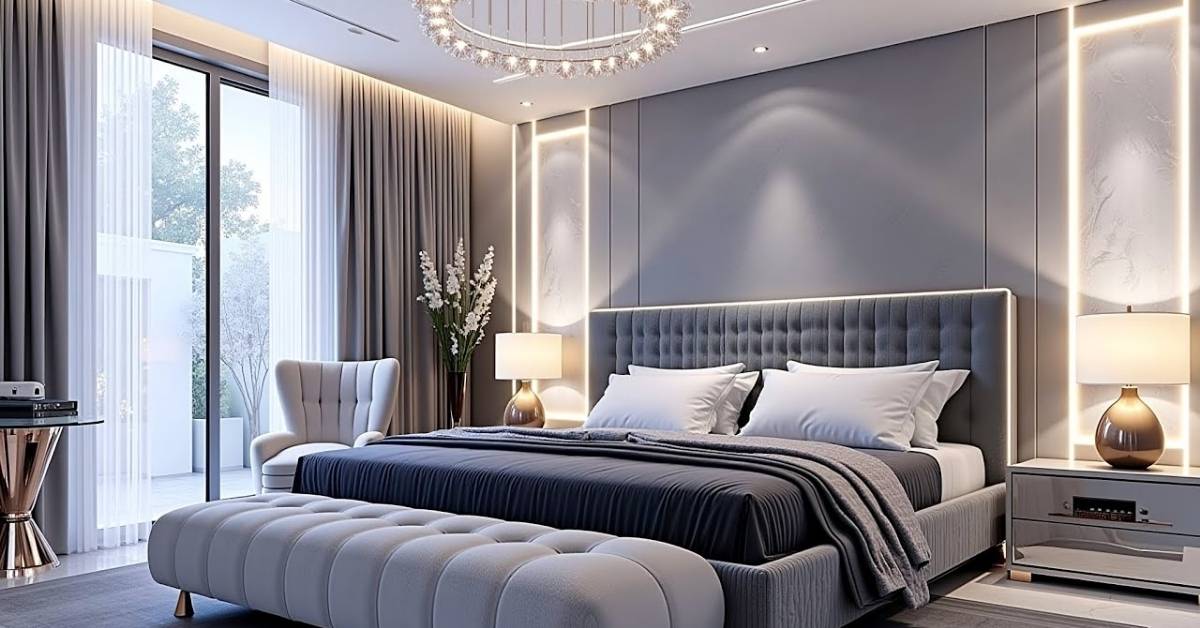
There’s something deeply personal about a bedroom. It’s the first thing you see in the morning and the last thing you see at night. It should feel like yours calm, beautiful and completely intentional. Yet so many people settle for a bedroom that’s just… fine. A mismatched dresser here, a sad overhead light there, bedding that came in a bag from a discount store five years ago. You deserve better than fine.
Whether you’re starting completely from scratch or just ready to shake things up, this guide gives you 50+ bedroom ideas rooted in real design thinking not just pretty pictures. You’ll find bedroom design inspiration for every style, budget and room size. Let’s make your bedroom the best room in the house.
Bedroom Design Ideas for Every Style
Your bedroom should reflect who you are not what was on sale. Bedroom design ideas come in countless directions, and the smartest thing you can do before buying a single piece of furniture is decide on a style that genuinely excites you.
Think about the spaces you’ve walked into and immediately felt at ease. What did they have in common? Soft textures? Bold colors? Clean lines? That gut reaction is your design compass. Stylish bedroom interiors don’t happen by accident they happen when someone makes intentional choices that all point in the same direction.
Once you pick a direction, everything else gets easier. Your color palette narrows. Your furniture choices become obvious. Even your shopping list practically writes itself. The table below gives you a quick snapshot of the most popular bedroom theme ideas in American homes right now, so you can find your starting point before diving into the deeper sections ahead.
| Style | Core Vibe | Key Elements | Best For |
| Modern | Sleek, clean, structured | Neutral tones, platform beds, geometric shapes | Urban apartments |
| Minimalist | Calm, intentional, clutter-free | White space, natural materials, simple forms | Stress-relievers |
| Boho | Layered, warm, free-spirited | Mixed textiles, rattan, plants, warm earthy hues | Creative personalities |
| Luxury | Rich, refined, hotel-like | Velvet, upholstered headboards, statement lighting | Glamour lovers |
| Japandi | Functional yet cozy | Muted palettes, wood tones, natural textures | Minimalist-boho blend |
| Coastal | Airy, relaxed, light-filled | Linen, blues, whites, natural fibers | Beach and nature lovers |
Modern Bedroom Design Ideas
Modern bedroom decor isn’t just about having new furniture it’s a whole philosophy built around intentionality and restraint. A truly modern bedroom strips away the unnecessary and keeps only what serves a purpose or brings real visual pleasure. Think platform beds with low profiles, furniture with clean horizontal lines and a color palette that sticks firmly to two or three shades.
Walls in soft white, warm greige or deep charcoal work beautifully. You add depth through texture a linen duvet here, a chunky knit throw there, a sculptural lamp on the nightstand rather than through clutter. Contemporary bedroom design done well feels like exhaling. Nothing competes for your attention. Everything has its place.
Bedroom lighting design plays a huge role in the modern aesthetic. Swap out harsh overhead bulbs for recessed lighting on a dimmer, or flank the bed with sleek wall-mounted sconces. One bold piece of art above the bed serves as your focal point without overwhelming the room. Brands like West Elm and CB2 nail this look consistently and offer pieces at accessible price points. The key is discipline resist the urge to fill every surface. In a modern bedroom, breathing room is the decor.
Minimalist Bedroom Ideas
Minimalist bedroom style is one of the most searched aesthetics in America right now and for good reason. Life is noisy. Work is noisy. Our phones are relentlessly noisy. The bedroom should be the antidote to all of that. A minimalist bedroom works from a simple principle: own less, but own better. Every object in the room should earn its spot. If it doesn’t serve a function or bring genuine joy, it goes. The result is a space so calm it almost has a sound the sound of nothing demanding your attention.
Practically speaking, a minimalist bedroom style starts with your bed. Choose a frame in natural wood or matte black metal something simple and strong. Dress it in high-quality linen or organic cotton in a soft neutral. Keep nightstands clear except for a lamp, a book and maybe a small plant. Use a storage bed or built-in drawers to keep clutter completely out of sight. Simple bedroom decor doesn’t mean boring it means curated. And there’s a world of difference between the two.
Boho Bedroom Inspiration
Boho bedroom ideas are for people who love personality, warmth and a little organized chaos. The bohemian aesthetic pulls from global influences Moroccan lanterns, Indian block-print textiles, South American woven rugs, Scandinavian throws and layers them together in a way that feels collected rather than chaotic. The trick is having a shared color story that ties everything together. Think warm terracotta, dusty rose, saffron yellow and forest green all living happily in the same space because they share the same warm undertones.
Bedroom texture layering is the secret weapon of every great boho room. A jute rug under a patterned kilim. A linen duvet topped with a crochet blanket. Rattan furniture paired with velvet accent pillows. Macramé on the wall beside a carved wooden mirror.
Each layer adds depth and interest without the room ever feeling sparse. Add trailing houseplants a pothos on the dresser, a fiddle-leaf fig in the corner and you’ve got a room that feels genuinely alive. Aesthetic bedroom ideas don’t get more Pinterest-worthy than this.
Luxury Bedroom Interior Design Ideas
A luxury bedroom interior is less about price tags and more about intentionality. Yes, quality materials cost more but the real secret to an elegant bedroom is in the details most people overlook. It’s the way the curtains pool slightly on the floor.
It’s the matching lampshades on symmetrical nightstands. It’s the throw pillow arrangement that looks effortless but took five minutes to get just right. Elegant bedroom decor signals that someone cared about this room and that care is what makes it feel luxurious.
Start with your anchor pieces. An upholstered headboard in a rich velvet or boucle fabric immediately elevates the entire room. Layer your bedding fitted sheet, flat sheet, duvet, throw blanket, decorative pillows in a palette of warm neutrals or deep jewel tones. Install bedside sconces instead of table lamps to free up nightstand space and add an instantly hotel-like quality.
Add a tufted bench at the foot of the bed, a full-length mirror leaning against one wall and a statement chandelier overhead, and you’ve built a room that feels like a five-star stay every single night. Check Architectural Digest for endless luxury bedroom interior inspiration from real homes.
Bedroom Decor Ideas to Instantly Upgrade Your Space

You don’t need a renovation to transform your bedroom. Sometimes a few well-chosen bedroom decor ideas do more heavy lifting than a brand-new floor plan ever could. The most impactful upgrades tend to be surprisingly affordable and surprisingly fast: a new headboard, a better rug, a set of matching lamps, curtains hung all the way to the ceiling.
These are the moves that make guests walk into your bedroom and say “wow, did you redecorate?” when technically all you did was edit and style. Bedroom decor elements like textiles, lighting and wall art carry enormous visual weight and they’re all swappable without a contractor.
The key is to approach bedroom decorating tips with strategy rather than impulse. Don’t just buy things because they’re pretty in isolation. Ask whether each piece fits your color palette, serves your layout and adds to the overall story of the room.
A gorgeous lamp in the wrong color family can actually make a room feel less cohesive. When in doubt, start with the big moves headboard, bedding, curtains and layer in the smaller accessories once your foundation is solid. Bedroom styling techniques always work best from big to small, not the other way around.
Statement Headboard Ideas
The headboard is the single most powerful bedroom focal point idea in any room. It anchors the entire space, sets the design tone and immediately draws the eye. Yet it’s one of the most commonly skipped elements in American bedrooms people buy the mattress and the frame and forget that the wall behind the bed is essentially a blank canvas screaming for attention.
An upholstered headboard in a lush velvet or a textured boucle instantly makes a room feel finished and intentional. A tall, floor-grazing headboard adds drama. A low, wide one adds a modern, grounded quality.
If upholstered isn’t your style, there are excellent alternatives. A rattan or cane headboard brings that warm boho-meets-modern energy that’s everywhere right now. A reclaimed wood headboard adds rustic character. For the truly budget-conscious, a painted arch directly on the wall behind the bed in a contrasting or complementary color creates the illusion of a headboard for the cost of a quart of paint.
Some of the most creative bedroom wall decor ideas skip the traditional headboard entirely and use a gallery wall, a large woven tapestry or even a dramatic wallpapered panel to do the same anchoring job.
Read More About : 23 Scandinavian Style Ideas That Make Any Room Feel Calmer, Cleaner, and More Intentional
Layered Bedding Styling Tips
Bedroom styling inspiration often starts and ends with the bed because the bed takes up the most visual space in the room. A beautifully made bed signals a beautifully designed room, even if everything else is still a work in progress. The layering approach used by professional stylists and hotel designers follows a simple formula, and once you learn it, you’ll never go back to the flat duvet-and-two-pillows approach.
Start with a well-fitted sheet in quality cotton or linen this is worth investing in because you feel it every single night. Add a flat sheet if you like the polished look, then your duvet or comforter as the hero layer. Drape a throw blanket casually across the foot of the bed folded loosely, not tucked in tightly.
For pillows, use two sleeping pillows in matching shams, two larger Euro shams leaning against the headboard, and one or two smaller accent pillows in front for color and texture. This creates a layered, dimensional look that photographs beautifully and actually invites you in. Parachute Home has an excellent visual bedding guide if you want to see this formula in action.
Accent Wall & Feature Wall Ideas
An accent wall is one of the fastest ways to add depth, personality and bedroom ambiance ideas to a room that feels flat or forgettable. The key rule is simple: always feature the wall your bed sits against. That wall is already the focal point of the room amplifying it with color, texture or pattern just makes the most of what’s already happening. A deep, moody color like forest green, navy or terracotta on that single wall transforms the entire energy of the room without you having to paint all four sides.
Bedroom wall decor goes beyond paint, though. Wallpaper is making a massive comeback particularly grasscloth textures, oversized florals and subtle geometric patterns that add visual interest without screaming for attention. Shiplap and wood paneling bring warmth and texture that paint simply can’t replicate.
A limewash or Venetian plaster effect is everywhere in high-end interiors right now and adds a depth that changes with the light throughout the day. Whatever direction you choose, the accent wall should feel like a deliberate design choice not an afterthought.
Lighting Ideas for Bedrooms
Bedroom lighting ideas are one of the most underrated elements of bedroom interior design and getting them right changes everything. Most bedrooms rely on a single overhead fixture that casts flat, harsh light across the entire room. This approach is the enemy of ambiance.
Great bedroom lighting design works in three layers: ambient light for general illumination, task light for reading or getting ready and accent light for mood and atmosphere. When all three work together, the room shifts from functional to genuinely beautiful.
For ambient light, a statement ceiling fixture a drum pendant, a rattan chandelier or a simple flush-mount in an interesting material sets the tone from above. Bedside sconces or table lamps provide task lighting at the right height for reading without disturbing a partner.
Dimmer switches are the single best $20–$30 upgrade you can make they let one room feel completely different depending on the time of day and your mood. For accent lighting, LED strip lights behind the headboard or under the bed frame create a warm, floating glow that’s particularly popular in contemporary bedroom design. Always use bulbs in the warm white range 2700K to 3000K because they make every skin tone and every textile look better.
Rugs, Curtains & Textiles Styling
Bedroom accessories decor lives and dies by the textiles and the two most commonly gotten wrong are the rug and the curtains. The rug mistake almost every homeowner makes? Going too small. A rug that only fits under the front legs of the bed looks like a postage stamp in a wide-open sea of floor. For a queen bed, the minimum is an 8×10 rug. For a king, go 9×12 or larger.
The rug should extend at least 18 to 24 inches beyond the sides of the bed so that when you swing your legs out in the morning, you land on something soft and intentional not cold hardwood.
Curtains carry their own set of rules. The single most transformative curtain trick in bedroom styling techniques is this: hang your rod as close to the ceiling as possible, not just above the window frame. Floor-length curtains hung from ceiling height make windows look taller, rooms feel larger and the whole setup look far more expensive than it actually is.
For fabric, linen gives a casual, airy feel; velvet adds richness and sound absorption; cotton is crisp and classic. Bedroom texture layering through your curtains, rug, throw and pillows is what gives a room that magazine-worthy dimension that can’t be achieved through furniture alone.
Small Bedroom Ideas That Maximize Space

Small doesn’t mean cramped it means intentional. Some of the most beautiful small bedroom ideas come from designers working with tight square footage because constraint forces creativity. When you can’t add more space, you get smarter about the space you have.
The secret is treating every inch as valuable real estate. Every piece of furniture should earn its footprint. Every wall should serve a purpose. Every corner should be considered. Bedroom space planning in a small room isn’t a compromise it’s an exercise in precision that often produces more stylish results than a sprawling room ever could.
The psychological tricks matter just as much as the physical ones. Light colors make rooms feel larger soft whites, pale blues and warm creams reflect light and push walls outward visually. Mirrors do the same thing, especially when placed opposite a window to bounce natural light around the room. Keeping the floor as clear as possible creates a sense of openness even in the tightest layouts.
Functional bedroom design in small spaces always prioritizes vertical storage, multi-purpose furniture and a disciplined approach to what actually needs to be in the room.
Space-Saving Furniture Ideas
Bedroom furniture ideas for small rooms require a completely different mindset than shopping for a large master suite. The question isn’t just “do I like this?” it’s “does this pull double duty?” A storage bed with built-in drawers beneath the mattress eliminates the need for a separate dresser entirely.
A floating nightstand mounted on the wall instead of sitting on the floor frees up precious visual and physical floor space. A Murphy bed once associated with tiny studio apartments has had a serious design glow-up and now comes in versions that look like built-in cabinetry when closed.
| Furniture Swap | Space Saved | Approximate Cost |
| Floating nightstand vs. traditional | ~4 sq ft of floor space | $40 – $150 |
| Storage bed vs. standard frame | Eliminates need for dresser | $300 – $1,500 |
| Murphy bed vs. standard bed | Reclaims ~50 sq ft when open | $800 – $3,000 |
| Ottoman with storage vs. bench | Adds hidden storage | $60 – $300 |
| Loft bed vs. standard | Adds full under-bed zone | $400 – $2,000 |
Nesting tables replace bulky nightstands in ultra-tight rooms. A pegboard on the wall handles accessories, jewelry or even books without eating into floor space. The philosophy of bedroom furniture arrangement in small spaces is always: go up, not out. Walls are your most underused resource.
Storage Solutions for Small Bedrooms
Bedroom storage solutions in a small room require you to think vertically because the floor is already at a premium. Floor-to-ceiling shelving on one wall creates enormous storage capacity while keeping the footprint minimal. Under-bed rolling drawers are among the most efficient storage tools available, especially in rooms where a walk-in closet isn’t an option. Over-door organizers handle shoes, accessories and small items without taking up a single inch of floor or wall space.
The IKEA PAX system remains one of the best bedroom storage solutions on the market for small bedrooms because it’s endlessly customizable, budget-friendly and looks genuinely built-in when installed correctly. A bench at the foot of the bed with a hinged top for storage handles extra linens, off-season clothing and items that tend to pile up without a designated home. The golden rule of small bedroom storage is this: if you can see it, it should be beautiful; if it isn’t beautiful, it should be hidden.
Layout Tips for Tiny Rooms
Best bedroom layout ideas for small rooms follow a handful of proven rules that dramatically change how a tight space feels. The bed should always go against the longest wall this opens up the maximum amount of floor space in front of and beside it. A mirror placed opposite the main window doubles the apparent light in the room and creates the illusion of additional depth.
Choose furniture with visible legs rather than pieces that sit flush on the floor the gap between the furniture base and the floor keeps the room feeling open and airy rather than heavy and closed-in.
Keep your color palette disciplined. Too many colors and patterns in a small room create visual noise that makes the space feel even more congested. Stick to two or three tones that work harmoniously together. Maintain a 24-inch clearance pathway on at least one side of the bed ideally both for both practical and psychological comfort.
Bedroom visual balance matters enormously in small rooms because the eye processes the whole space in one glance. When it sees order and intention, it reads “spacious.” When it sees clutter and conflict, it reads “cramped.”
Bedroom Interior Design Ideas for Better Layout
Bedroom interior design isn’t just about what goes into a room it’s about how those things are arranged in relation to each other. A beautifully furnished bedroom with a bad layout still feels off. You might not be able to pinpoint exactly why, but you’ll feel the awkwardness every time you walk in.
Bedroom furniture arrangement is a skill that most people underestimate, assuming it’s just common sense. But there’s real design thinking behind why certain layouts work and others don’t and learning the basics pays off in every room you ever design.
Bedroom space planning starts before you buy a single piece of furniture. Measure the room carefully, length, width and ceiling height. Note where the windows, doors and electrical outlets are. Sketch a rough floor plan (even on paper) and try a few different configurations before committing. RoomSketcher is a free online tool that lets you drag and drop furniture into a virtual floor plan. It saves a lot of heavy lifting and second-guessing.
Bedroom Layout Ideas for Any Room Size
Bedroom layout ideas vary significantly based on the shape and size of the room and what works beautifully in a square master doesn’t necessarily translate to a long, narrow guest room. A symmetrical layout bed centered on the main wall with matching nightstands and lamps on each side works in virtually any size room and creates an instant sense of calm and balance. It’s the layout used in virtually every hotel room for a reason: it reads as intentional and welcoming the moment you walk through the door.
For oddly shaped rooms or creative personalities, an asymmetrical layout can add dynamism and interest. Place the bed slightly off-center, use different but complementary nightstands, vary the lighting on each side.
Bedroom visual balance doesn’t always require strict symmetry; it requires visual weight to feel evenly distributed, which you can achieve through color, scale and placement without necessarily mirroring every element. For L-shaped rooms, the natural nook becomes an ideal reading corner or dressing area, a perfect opportunity to create a distinct zone within the bedroom without adding a single wall.
Furniture Placement Do’s & Don’ts
Bedroom furniture arrangement follows some non-negotiable rules that even experienced decorators lean on when approaching a new space. The bed is always the starting point, place it first, then arrange everything else in relation to it. Leave adequate clearance on every functional side. Never block a door or a window with a large piece of furniture. And resist the beginner’s urge to push everything against the walls, floating furniture creates a more sophisticated, layered arrangement.
| ✅ DO | ❌ DON’T |
| Leave 24–36″ walkway around the bed | Push the bed into a corner (unless kids/twin) |
| Hang the rug so it extends beyond the bed | Use a rug that barely fits under the bed frame |
| Align furniture to a consistent grid | Mix too many competing angles |
| Balance visual weight on both sides of the bed | Cluster all furniture on one side of the room |
| Hang artwork at eye level (57–60″ from floor) | Hang art too high or too low |
| Use furniture that’s scaled to the room | Choose oversized pieces for small rooms |
Zoning Your Bedroom Space
Larger bedrooms present a different challenge: too much open space can actually make a room feel less comfortable, not more. Bedroom space planning in a generous room is about creating distinct zones that serve different purposes while maintaining a cohesive visual story.
The sleep zone is anchored by the bed, nightstands and appropriate lighting calm, soft and designed to wind the mind down. A work zone, if the bedroom doubles as a home office, should be physically separated from the sleep area and defined by a different lighting type, task-oriented rather than ambient.
A dressing zone near the wardrobe or closet benefits from good overhead lighting and a full-length mirror. A relaxation zone, an armchair, a small side table and a floor lamp in a quiet corner turns a bedroom into a genuine retreat rather than just a place to sleep.
Use rugs to define each zone without building walls. Different lighting temperatures can also signal the shift between areas. This approach to functional bedroom design transforms a single large room into a richly layered space that serves multiple needs without ever feeling crowded or confused.
Room Decoration Ideas on a Budget
Here’s a truth that interior designers know but rarely broadcast: the most beautiful rooms aren’t always the most expensive ones. Room decoration ideas executed with creativity and intention can outperform a thoughtless high-budget renovation every single time. The key is knowing which moves carry the most visual impact per dollar and there are several of them.
A fresh coat of paint on an accent wall costs $30 to $50 in materials and transforms the entire personality of a room. New curtains hung correctly can make a $500 bedroom look like a $5,000 one. Bedroom makeover ideas on a tight budget work best when you prioritize the elements that carry the most visual weight.
The biggest mistake budget decorators make is spreading money too thin across too many small items. Instead, identify your one or two biggest pain points: the ugly light fixture, the bare wall above the bed, the mismatched bedding and solve those first. A targeted, strategic affordable bedroom makeover delivers more impact than a dozen small, scattered purchases that never quite add up to a cohesive room.
DIY Bedroom Decor Ideas
DIY bedroom decor ideas have exploded in popularity for good reason they produce personalized, one-of-a-kind results that no store-bought piece can replicate. Painting an accent wall is the entry-level DIY that almost anyone can tackle in a weekend. Chalk paint transforms old dressers, nightstands and even bed frames with minimal prep and no sanding. A $20 can of chalk paint and a weekend afternoon can make a thrift-store dresser look like a $400 boutique find.
A gallery wall built from thrifted frames in consistent finishes all black, all gold, all wood creates a curated art moment above the bed that feels genuinely personal. Reupholstering a headboard requires only fabric, a staple gun and a YouTube tutorial, and the result looks completely custom.
Macramé wall hangings, once the domain of craft fairs, have re-entered serious interior design spaces and can be made at home for under $20 in supplies. DIY Network is an excellent resource for step-by-step project guides if you’re new to this territory.
Affordable Bedroom Makeover Tips
Bedroom makeover ideas don’t have to drain your savings. Some of the highest-impact changes cost almost nothing. Rearranging your existing furniture is always the first move; it costs exactly zero dollars and frequently makes the room feel entirely different. Moving the bed to a different wall, floating the dresser to a new corner or swapping the nightstands to opposite sides can shift the energy of a room dramatically without spending a cent.
New throw pillows are the fastest paid refresh available; a set of two quality accent pillows in a new color or texture updates the entire bed for $30 to $60. Adding a mirror where there wasn’t one before bounces light, adds perceived depth and injects a dose of style simultaneously.
A $5 photo from the grocery store adds life, color and warmth that no decorative object can replicate. Cozy bedroom decor on a budget is really about layering small, affordable elements thoughtfully not blowing your budget on one statement piece and calling it done.
Budget-Friendly Furniture Hacks
Smart shopping is its own form of design skill. IKEA remains the undisputed champion of budget-friendly bedroom furniture ideas; the MALM bed frame, the HEMNES dresser and the KALLAX shelving unit have furnished millions of American bedrooms with quiet dignity.
The real magic happens when you IKEA hack adding new legs, painting the exterior, swapping hardware to make mass-produced pieces look completely custom. A $120 IKEA dresser with new brass hardware and painted in a deep sage green looks like a $600 boutique purchase.
Wayfair runs frequent sales and carries an enormous range that spans from genuinely budget to mid-range. Facebook Marketplace and Craigslist are goldmines for solid wood furniture at a fraction of retail pieces that just need cleaning, painting or new hardware to look spectacular. For textiles, Brooklinen offers quality bedding at honest prices, and Amazon’s basic bedding line punches well above its price point in terms of feel and durability.
Bedroom Inspiration & Trends (2026 Edition)

Bedroom design trends 2025 carried forward into 2026 with some clear momentum and a few surprising additions. The dominant force is what designers are calling “quiet luxury” a move away from maximalism, loud logos and trend-chasing toward understated quality, natural materials and timeless investment pieces.
It’s the anti-trend trend, and it’s resonating powerfully with American homeowners who are tired of redecorating every two years. Alongside quiet luxury, Japandi (the Japanese-Scandinavian hybrid) continues to hold enormous influence, particularly among millennials designing their first real homes.
Bedroom design inspiration in 2026 is also drawing heavily from nature. Organic shapes, natural textures, earthy tones and biophilic elements, plants, natural light, wood grain, stone surfaces are everywhere in the most-shared and most-saved bedroom photos across social platforms.
The underlying message is clear: people want their bedrooms to feel restorative. Not performative, not Instagrammable for its own sake, genuinely calming and connected to the natural world.
Trending Bedroom Colors
Bedroom color schemes in 2026 have moved decisively away from the cool grays and stark whites that dominated the previous decade. Warm weather is winning. Sherwin-Williams and Benjamin Moore both point toward earthy, grounded palettes as the leading bedroom color combinations of the year. Deep terracotta and warm clay tones bring a sun-baked warmth that photographs beautifully and ages gracefully.
Forest green and hunter green are everywhere on accent walls, in velvet upholstery and as the foundation color for entire rooms.
Soft off-whites and warm creams are replacing stark, bluish white as the go-to neutral they read as sophisticated rather than clinical. Dusty blue and slate offer a calming, watery quality without leaning too coastal. And chocolate brown once banished to the aesthetic wilderness of the early 2000s is making a full, confident comeback in warm caramel and espresso tones. These trending bedroom colors work especially well when combined thoughtfully. Deep green walls with warm cream bedding and terracotta accents is arguably the defining bedroom color scheme of 2026.
Popular Bedroom Styles Right Now
Bedroom styling inspiration in 2026 pulls from a surprisingly diverse set of directions evidence that American design culture is genuinely pluralistic right now. Quiet luxury leads the charge: think cashmere throws, linen bedding in neutral tones, simple but impeccably crafted furniture and absolutely zero visual noise.
It’s the design equivalent of a perfectly tailored outfit, understated, confident and effortlessly expensive-looking.
Japandi bedroom design blends Japanese wabi-sabi philosophy finding beauty in imperfection and simplicity with Scandinavian hygge, the Danish concept of cozy, convivial comfort. The result is warm but minimal, functional but beautiful, grounded but airy.
Dark academia is the moody counterpoint velvet, dark wood, stacked books, rich jewel tones and candlelight-warm lighting for those who want their bedroom to feel like a Victorian library crossed with a boutique hotel. Coastal grandmother continues to charm with its relaxed linen-and-rattan warmth, while maximalist eclectic is gaining ground for those who’ve tried minimalism and decided they miss their stuff.
Pinterest Bedroom Ideas That Go Viral
Aesthetic bedroom ideas go viral on Pinterest for specific, repeatable reasons and understanding those reasons helps you create a bedroom that genuinely satisfies rather than just photographs well. The most-saved bedroom images share a handful of consistent qualities: abundant natural light streaming through sheer or linen curtains, beautifully layered bedding in a cohesive palette, at least one organic element (a plant, a wood piece, a woven textile) and lighting that feels warm and intentional rather than bright and functional.
The arched mirror moment, a tall, arch-topped mirror leaning against a wall or mounted above a dresser has become one of the most recognizable bedroom styling inspiration signatures of the current era. Moody dark walls paired with warm amber lighting and rich textures photograph with a depth and drama that flat, bright rooms simply can’t match.
According to Pinterest Predicts, searches for “cozy dark bedroom” and “warm bedroom aesthetic” consistently spike each year as people lean into the idea of the bedroom as a sanctuary rather than a showpiece.
How to Design a Bedroom Step-by-Step
How to decorate a bedroom from scratch can feel overwhelming. There are so many decisions to make simultaneously that it’s easy to get paralyzed or, worse, to start buying things impulsively and end up with a room that looks like three different people designed it.
The bedroom decorating tips that professionals rely on always follow a consistent sequence: establish your style, plan your layout, choose your big furniture, select your palette, then layer in the textiles and accessories. Go big to small, structural to decorative. Every decision informs the next.
Bedroom design inspiration is everywhere Houzz, Pinterest, Instagram, design blogs and even hotel rooms you’ve loved. Build a mood board before you spend a single dollar. Save images that genuinely excite you not images you think you should like, but rooms that make you feel something when you look at them.
After 20 or 30 saves, patterns emerge: a recurring color, a consistent furniture style, a repeated texture. That pattern is your design DNA, and it makes every subsequent decision dramatically easier.
Choosing the Right Furniture
Bedroom furniture ideas always start with the bed; it’s the largest, most visually dominant piece in the room and everything else orbits around it. Choose a bed frame that fits your style (platform for modern, four-poster for traditional, upholstered for luxury, rattan for boho) and your room’s scale.
A king bed in a 10×10 room leaves no space for anything else. A twin bed in a large master suite looks adrift. Scale is everything.
After the bed, choose nightstands that are proportionate to the bed height ideally, the top surface of the nightstand should be within a few inches of the mattress top. A dresser or wardrobe comes next, followed by any accent seating if the room allows.
Stick to a maximum of two wood tones throughout the room to maintain visual coherence, mixing three or four creates a chaotic, unfocused look. Quality over quantity is always the right call: two excellent pieces outperform five mediocre ones every time.
Selecting Bedding & Textiles
Bedroom color combinations in your bedding make or break the entire look of the room because the bed is the first thing the eye goes to. Choose your bedding palette in direct conversation with your wall color and your largest furniture piece. If your walls are a warm cream and your furniture is warm oak, cool gray bedding will fight everything rather than harmonize with it. Warm linen in a natural oat tone, by contrast, ties the whole room together effortlessly.
For materials, here’s the quick guide: hot sleepers do best with Tencel or linen both moisture-wicking and breathable. Cold sleepers want flannel or a weighted duvet filled with down or a quality alternative. Allergy sufferers should seek organic cotton with hypoallergenic fill.
Thread count matters up to a point 400 to 600 is the sweet spot for softness and durability without paying the premium of higher counts that offer diminishing returns. Brooklinen and Parachute consistently top independent quality tests at honest price points.
Creating a Cohesive Design Theme
Bedroom color combinations and bedroom decor elements only feel unified when there’s an organizing principle tying them together. The 60-30-10 color rule is the most reliable framework in interior design: 60% of the room should be your dominant color (typically the walls and large furniture), 30% your secondary color (bedding, curtains, upholstery) and 10% your accent color (throw pillows, art, small decor objects).
This ratio creates natural visual balance, enough variety to be interesting, enough restraint to be cohesive.
Repeating a material or texture throughout the room is the other unifying move that separates a designed room from a decorated one. If you use brass in your light fixture, echo it in your hardware and your curtain rod. If you introduce a woven natural texture in your rug, reflect it in your basket storage or rattan mirror.
Bedroom ambiance ideas that feel truly intentional always have this invisible thread of repetition running through them a detail that, once you see it, makes everything click into place. Use Canva to build a digital mood board and test your palette combinations before committing to purchases.
Bedroom Ideas for Different Room Types
Not all bedrooms serve the same purpose and bedroom decorating tips that work brilliantly in a master suite require significant adaptation for a guest room or a child’s space. Understanding the primary function of the room you’re designing is the essential first step. A master bedroom prioritizes the comfort, calm and personal preferences of the people who sleep in it every night.
A guest bedroom prioritizes making visitors feel welcome, comfortable and cared for without being so personalized that it feels like an intrusion. A kids’ bedroom has to be fun, functional and safe and adaptable as the child grows. Each context brings its own set of priorities, and bedroom interior design excels when it serves those priorities directly.
Bedroom theme ideas for different room types also vary significantly. A master can sustain a sophisticated, layered aesthetic that might overwhelm a smaller guest room. A kids’ room can carry playful color and pattern that would feel jarring in a master. Match the design language to the room’s purpose, and you’ll always land in the right place.
Master Bedroom Ideas
Master bedroom design is fundamentally about creating a retreat, a space so calm and beautifully considered that the moment you walk in, your nervous system sighs with relief. The best master bedroom ideas treat the room as a sanctuary first and a showroom second.
That means prioritizing a high-quality mattress above almost every other purchase (you spend a third of your life on it), investing in blackout curtains for genuine sleep quality and choosing a color palette that your eyes find genuinely restful.
If square footage allows, adding a seating area, even a single armchair with a small side table and a floor lamp creates a meaningful secondary zone that transforms how you use the room throughout the day. Coordinate the bedroom palette loosely with the en-suite bathroom for a sense of visual flow between the spaces. Layer your lighting thoughtfully bright enough to get dressed by, dim enough to wind down in.
Elegant bedroom decor in a master suite always feels considered rather than accumulated, curated rather than cluttered.
Guest Bedroom Ideas
A great guest bedroom makes people feel genuinely welcome like you thought of them specifically when you designed the space. The mattress quality matters enormously here: guests remember a good night’s sleep (and they definitely remember a bad one). Invest in a quality medium-firm mattress and dress it in fresh, high-quality bedding in a neutral palette that feels clean and inviting without being stark.
Provide clear storage space, empty dresser drawers, a luggage rack or a hook for hanging clothes so guests aren’t living out of their suitcase. A bedside lamp that’s easy to turn on and off, a charging station for devices and a small mirror somewhere in the room cover the practical essentials beautifully.
For rooms that need to double as a home office or hobby space the other 50 weeks of the year, a well-chosen daybed or a quality sofa bed solves the challenge without compromise on either function. Simple bedroom decor works especially well in guest rooms, clean, calm and universally welcoming.
Kids Bedroom Ideas
Bedroom theme ideas for children need to balance what’s genuinely fun now with what will still work as the child grows because redecorating every three years gets expensive. The smart approach is to build the structural elements of the room in a relatively neutral foundation (wall color, rug, main furniture) and let the personality come through in the easily swappable elements: bedding, throw pillows, wall art, curtains. This way, the rocket ship phase can give way to the football phase without a full renovation.
By age group, the priorities shift significantly. Toddlers need low beds (or floor mattresses), rounded furniture edges, soft rugs for tumbling and abundant storage at their height. School-age children often love loft beds with a desk or play area built underneath brilliant space-savers that double the utility of the room.
Teenagers benefit most from genuine creative input into their own space give them ownership of the color and decor direction and you’ll get buy-in and genuine pride in keeping the room tidy.
Safety remains paramount at every age: anchor all tall furniture to the wall and keep window blind cords out of reach.
FAQ’s
What are the best bedroom ideas for small rooms?
Use multifunctional furniture like storage beds and wall-mounted shelves to save floor space. Mirrors create an illusion of depth, making the room feel larger. Keep the layout minimal and use vertical space to maximize storage.
How can I decorate my bedroom cheaply?
Repurpose old furniture with paint or new handles for a fresh look without spending much. Use DIY décor like framed prints, fairy lights, or handmade cushion covers. Thrift stores and online marketplaces offer stylish pieces at a fraction of retail prices.
What makes a bedroom look luxurious?
Layered bedding with high-quality textures like velvet, linen, or faux fur instantly elevates the look. Consistent color schemes, ambient lighting, and decluttered surfaces create a polished feel. Small details like matching lamps, artwork, and scented candles add a hotel-like finish.
How do I choose a bedroom design style?
Start by identifying what makes you feel comfortable, cozy, modern, rustic, or minimalist. Browse platforms like Pinterest for inspiration and note recurring themes you’re drawn to. Choose a style that reflects your personality and works within your budget and room size.
What colors are best for bedrooms?
Soft, muted tones like sage green, warm beige, dusty blue, and lavender promote relaxation and restful sleep. Neutral shades like white, cream, and greige are timeless and make spaces feel airy. Avoid overly bright or dark colors unless balanced with warm lighting and light accents.
Conclusion
Your bedroom is more than a place to sleep. It’s a sanctuary, a reset button and a daily reflection of who you are and how you want to feel. Every bedroom idea in this guide from sweeping luxury bedroom interior design to clever small bedroom ideas that squeeze magic out of 120 square feet comes back to the same fundamental principle: intentionality. The most beautiful rooms aren’t the ones with the biggest budgets. They’re the ones where every choice was made with care.
Start with one thing. Maybe it’s finally getting the rug in the right size. Maybe it’s painting that accent wall you’ve been thinking about for two years.
Maybe it’s rearranging the furniture on a Sunday afternoon to open the room up. One good decision leads to the next. Bedroom decor ideas compound each right choice and make the next one clearer. The bedroom you’ve always wanted is genuinely within reach. You just have to begin.
