

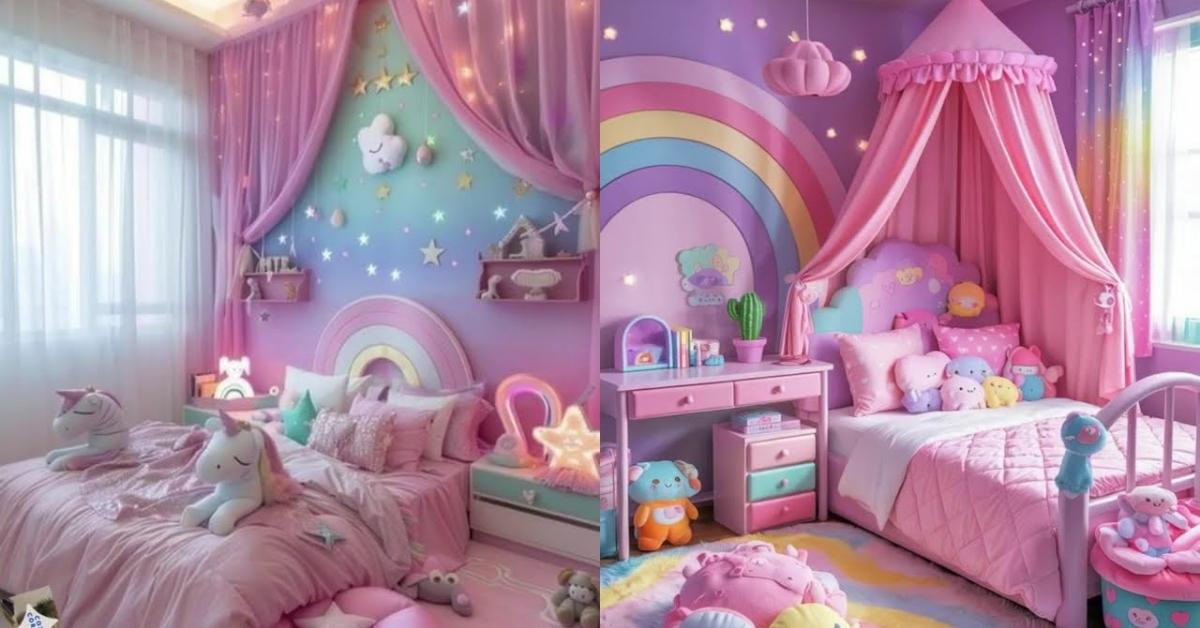
If you’re staring at a compact bedroom and trying to figure out how to fit a bed, a play area, storage, and still leave room to breathe you’re not alone. Small kids’ rooms are one of the trickiest design challenges in any home, Small Kids Room Ideas mostly because kids need more from their space than adults do: room to play, room to sleep, room to grow, and ideally room to not lose their minds (and yours).
The good news is that a small footprint doesn’t mean a compromised room. It means being smarter about layout, furniture choices, and how you use vertical space. Whether you’re decorating a nursery-turned-toddler room, a shared bedroom, or a narrow room in an apartment, these ideas are built around real constraints, not just pretty aesthetics.
Loft Bed With a Study or Play Zone Underneath

The single most effective move in a small kids room is going vertical and a loft bed is the clearest example of that logic in action. By lifting the sleeping area off the floor, you free up an entire footprint of usable space directly below: a desk, a reading nook, or a compact play area can all live comfortably under a standard loft. The bed itself doesn’t need to be ceiling-height; even a mid-sleeper at 4–5 feet creates enough clearance underneath for a seated workspace. This works especially well in rooms where a separate desk and bed would compete for the same wall. Kids over five tend to love the “elevated” feeling too, which makes bedtime slightly less of a negotiation.
Built-In Shelving Along One Full Wall
When floor space is limited, walls become your most valuable storage surface. A full-wall shelving unit, whether custom built-in or an IKEA BILLY hack, consolidates what would otherwise be scattered across dressers, toy boxes, and nightstands into one organized vertical column. The key is mixing open shelves with labeled bins or baskets so the display stays readable without looking chaotic. Painted in the same color as the wall (white or a soft neutral), this kind of shelving visually recedes rather than dominating the room. It works best in rooms where the main wall opposite the door is long and uninterrupted. One shelf at a lower height for the child’s reach, one mid-level for display, and upper shelves for seasonal storage. That’s the practical split I’d recommend starting with.
Murphy Bed With Fold-Down Desk Combo

Murphy beds have evolved well past the “old apartment” stigma; the newer versions designed for kids rooms are genuinely functional and safe. A Murphy bed with a fold-down desk means the room shifts between sleeping mode and activity mode without any furniture rearranging. During the day, the bed folds flush against the wall and the desk panel swings down into position. This setup is particularly useful in studio apartments or in homes where the kids room doubles as a guest room occasionally. It’s also one of the few solutions that genuinely works in rooms under 80 square feet without making the space feel stuffed.
Corner Bed Placement to Open Up the Center
Placing the bed flush into a corner rather than centered along a wall frees up two sides of the room instead of one. The center of the floor stays open, which matters enormously in small spaces where kids need actual room to play. It also naturally defines the sleeping area as a “zone” separate from the rest of the room, which helps with bedtime transitions in younger kids. The only practical consideration: the child needs to be old enough to climb in and out without needing access to both sides. For toddler beds and twin frames, this is rarely an issue. A small rail on the open side handles safety neatly.
Window Seat With Storage Underneath

A window seat does three things at once in a small kids room: it provides seating, adds storage, and turns what’s often dead space (the area around a low window) into the most functional spot in the room. The bench top opens or features pull-out drawers, which absorbs toys, books, and extra bedding without needing a separate chest. Positioned under a window, natural light makes it the natural reading and quiet-play spot, reducing the need for a separate chair. In rooms where a sofa or armchair would feel oversized, a window seat is the right-sized alternative.
Bunk Beds for Shared Small Rooms
For two kids sharing a room under 120 square feet, a bunk bed is the layout decision that makes everything else possible. Standard bunk beds take up one twin-size floor footprint while sleeping two no other furniture configuration achieves that ratio. The more underrated benefit is privacy: each child gets their own defined sleeping space, which reduces conflict in shared rooms significantly. The lower bunk can be curtained off for extra enclosure if the younger child prefers it. Go for a model with built-in ladder storage and a guardrail on the top bunk; these functional details reduce the need for additional furniture nearby.
Floating Desk Mounted to the Wall

A floating desk is the most space-efficient homework solution for a small kids room. Mounted directly to the wall at the right height, it takes up zero floor footprint beyond the chair pulled in front of it. When not in use, the chair tucks fully underneath and the desk surface clears, making the room feel more open than it actually is. Pair it with one or two floating shelves above for books and supplies. That vertical stack keeps the work zone contained to a single section of wall. This works particularly well on a short wall where a full desk would project too far into the room.
Teepee or Canopy as a Defined Play Corner
One of the quieter wins in small room design is giving a child a defined play area, even a small one. A floor teepee or a canopy draped from a ceiling hook turns a corner of the room into a distinct “zone” without adding any furniture. Kids respond well to enclosed, low spaces; it channels their play instincts and often reduces how much they spread toys across the entire room. The teepee itself stores flat when not in use. The area underneath just a rug, a few cushions, and a small basket for books can be reset in under two minutes. For rooms without space for a dedicated playroom, this is an honest substitute.
Read More About : 22 Home Office Wall Decor Ideas That Make Your Space Feel Intentional (Not Just Filled)
Pegboard Wall for Toy and Supply Organization

A pegboard wall is underused in kids rooms, but it’s one of the most adaptable storage systems available. Mounted at child height on one wall, it holds everything from art supplies to small toys to backpacks using reconfigurable hooks and small shelves. As the child grows and their needs shift, the setup reorganizes in minutes without new hardware. It also doubles as a display surface kids tend to engage more with their space when they can see and reach their own things. In a room without a closet or with very limited wardrobe space, a pegboard panel near the door handles the daily-use items efficiently.
Under-Bed Storage With Drawers or Bins
The space under a bed in a small kids room is storage you can’t afford to leave empty. A bed frame with built-in drawers or even flat rolling bins absorbs the overflow of seasonal clothing, extra bedding, and bulky toys that would otherwise crowd a closet or floor space. The practical logic here is simple: storage that’s incorporated into existing furniture footprints doesn’t add to the room’s visual weight. Rollout bins (as opposed to drawers) work better for younger kids who can pull them out independently. Labeling the bins by category teaches organization habits early, which in my experience makes a noticeable difference in how long the room stays tidy.
Pastel or Light-Toned Walls to Expand the Feel

Wall color in a small kids room matters more than most decor choices because it affects how large the space reads. Deep, saturated colors contract a room visually, even beautiful ones. Soft pastels, sage, dusty blue, warm blush, or off-white reflect more natural and artificial light, making the walls feel further back than they are. This isn’t about avoiding personality; it’s about choosing a base tone that lets the furniture and decor add color rather than competing with it. One accent wall in a slightly deeper version of the same hue adds definition without closing the room in. For north-facing rooms with limited natural light, warm whites and soft yellows are the most practical choices.
Ladder Shelf as a Vertical Bookcase
A leaning ladder shelf is a smart fit for kids rooms because it’s freestanding (no wall anchoring needed, ideal for renters), lightweight, and visually open. Positioned against a short or awkward wall, it provides 4–5 display shelves without the bulk of a traditional bookcase. Books on the lower rungs, plants or decor on the upper ones, and a small basket on the floor rung for catch-all items that layout keeps it functional across all ages. The open structure means it doesn’t block light or make the wall feel heavy, which matters in rooms that already feel tight.
Neutral Base With Bold Accents Through Textiles

One of the most flexible design strategies for a small kids room is building a neutral base white or natural wood furniture, light walls and adding all the personality through textiles. Rugs, throw pillows, curtains, and bedding can be swapped out seasonally or as the child’s preferences change, without repainting or replacing furniture. This matters practically because kids’ taste evolves fast. A dinosaur-phase rug is easy to swap out; a dinosaur-mural wall is a renovation. The neutral base also keeps the room from feeling visually chaotic, which is a real risk in a small space with a lot of colorful toys in it.
Curtain Room Divider for Shared Spaces
In a shared room, a floor-to-ceiling curtain on a ceiling-mounted track is one of the cleanest ways to give each child a defined space without adding walls. It folds back completely when toggled, returning the room to its full width during the day. Each side can be personalized differently with different bedding, small art above the bed while the shared elements (rug, shelving) remain consistent. Renters particularly benefit from this because it requires no structural changes. The curtain also adds a layer of acoustic separation, which helps with bedtime if the children are different ages.
Gallery Wall at Lower Height for Kids Scale

Gallery walls in kids’ rooms usually get hung at adult eye level, which means the child experiences them as background noise rather than something personal. Dropping the arrangement to 2–3 feet from the floor puts it at the child’s sightline, making it something they actually interact with. Use a mix of their own artwork, simple prints, and a few framed photos. Keep the frames lightweight (not glass-fronted) for safety. The lower gallery wall also draws the eye downward, which can make low-ceilinged rooms feel more proportionate, a spatial trick that’s easy to overlook.
Rope or Wooden Hanging Shelves for Light Storage
Hanging shelves suspended from ceiling hooks or wall-mounted brackets give you display and light storage without committing wall space to hardware-heavy shelving. In a small kids room, these work well near the desk or reading corner for books, small plants, and decor. They’re especially useful in rented spaces where large wall-mounting isn’t possible. The visual effect is lighter than traditional shelving; the eye passes through the open space above and below rather than stopping at a solid unit. Keep the weight light (books and soft decor, not toys) and ensure the mounting is secure.
Monochromatic Color Scheme to Reduce Visual Clutter

A monochromatic palette of one color in several tints and shades is one of the least-discussed but most effective strategies for making a small kids room feel larger and calmer. When the walls, bedding, and curtains sit in the same color family, the eye doesn’t jump between contrasting zones, which makes the room read as more continuous and spacious. It also makes the room feel more intentional even with minimal decor. This doesn’t mean sterile: textural variation (linen curtains, quilted bedding, knit pillow) keeps it from feeling flat. In 2026, dusty blues, terracotta tones, and muted greens are the ranges working particularly well in kids spaces they’re calming without being clinical.
Toy Rotation System to Reduce Floor Clutter
A toy rotation system isn’t a decor idea in the traditional sense but it has a direct impact on how a small kids room functions and looks. The concept is simple: only a portion of toys are accessible at any time, with the rest stored out of sight (in labeled bins in a closet or under the bed). Every few weeks, the sets rotate. Kids play more deeply with fewer options, the room stays manageable, and the floor clears up enough to actually use. In a room under 90 square feet, this is less of a lifestyle choice and more of a layout necessity. The storage bins themselves can be uniform and labeled, which adds to the room’s organization without requiring new furniture.
Daybed With Trundle for Sleepovers

A daybed is a smarter choice than a standard twin in a small kids room because it works as both a sofa and a bed meaning you don’t need a separate seating piece. Positioned against a wall, it reads as a couch during the day. The trundle underneath pulls out for sleepovers, handling the occasional guest without a permanent second bed taking up floor space. This setup works particularly well for kids aged 6 and up who have friends over regularly. Low-profile frames keep the room feeling more open; choose one in a natural wood or white finish for maximum visual flexibility.
Read More About : 21 Desk Lighting Ideas That Actually Improve Your Productivity (Without Wrecking the Vibe)
Chalkboard or Whiteboard Wall Panel
Rather than covering every surface with framed art, a chalkboard panel gives a small kids room a writable, erasable surface that serves as an art display, imaginative play, and learning tool simultaneously. A single panel (rather than a full chalkboard wall) keeps it manageable, typically 3–4 feet wide, positioned at child height on one wall. This also contains the creative expression to one zone, which reduces the urge to draw on other surfaces. Magnetic chalkboard paint adds the option to stick papers and artwork directly to it. As the child grows out of drawing phases, the panel can be repainted over a weekend.
Colorful Patterned Rug to Define Floor Zones

In a room without architectural zone-definition (no alcoves, no bay windows), a rug does the work of carving out functional areas. A rug placed under the bed defines the sleeping zone. A second, smaller rug in front of a shelf or desk anchors the activity area. The patterns can carry the room’s color story without requiring bold paint or busy wallpaper. Washable rugs are the practical requirement here; anything that’s going to live in a kids room needs to survive spills. Flatweave or low-pile options work better in smaller rooms than thick shags, which visually shorten the apparent ceiling height.
Wall-Mounted Bedside Organizer Instead of Nightstand
A conventional nightstand in a small kids room takes up floor space that rarely justifies the footprint. A wall-mounted caddy fabric or wood, mounted to the wall or hung over the bed rail holds books, a small lamp, water bottle, and the usual bedtime items without occupying any floor area. It’s especially practical when the bed is pushed into a corner, where a traditional nightstand would be unreachable from the sleeping position anyway. These mount in minutes, cost very little, and remove the need for one entire piece of furniture.
Vertical Striped Wallpaper or Paint for Height Illusion

Vertical lines whether from striped wallpaper, painted stripes, or tall, narrow shelving direct the eye upward, making a low-ceilinged room read as taller than it is. This is a spatial effect, not just a styling choice. In a small kids room with an 8-foot ceiling (standard in most apartments), vertical striping creates a proportional correction that makes the room feel closer to a comfortable scale. The stripes don’t need to be bold: a tone-on-tone pattern in the same color family reads as texture from across the room while still producing the vertical pull.
Floating Bed Frame for a More Open Floor Feel
A floating bed frame, one that sits on a platform or legs without a box spring or traditional frame, creates visible floor clearance that makes the room feel larger. When you can see the floor beneath a piece of furniture, the room reads as more open. This works on the same perceptual logic as floating shelves: visible wall behind and floor beneath makes the object feel less bulky. Choose a frame with enough clearance for rolling bins underneath, and you’ve added storage without adding visual mass.
Curtains Hung High and Wide to Maximize Window Impact

Curtain placement in a small room affects how large the window and the room appears. Hanging curtains as close to the ceiling as possible (rather than at the window frame) and extending the rod 8–12 inches past the frame on each side creates the impression of a much larger window. More perceived window area means more perceived natural light, which directly affects how bright and open a room feels. In a small kids room where windows are often modestly sized, this one change creates a disproportionate shift in how the space reads.
Rotating Art Display With Clips or Rail
A picture rail or clip string near the ceiling gives a small kids room a constantly rotating gallery without any nail holes. New drawings go up; old ones come down. It keeps the child involved in their space, reduces the pile of artwork accumulating in drawers, and provides genuine warmth and color without permanent commitment. The display line runs across one wall, keeping everything in a contained horizontal band rather than sprawling across multiple surfaces. For rooms with white or neutral walls, the colorful artwork hanging against it becomes the room’s main decor feature.
Multi-Functional Storage Ottoman as a Seating and Play Surface

An ottoman with interior storage pulls triple duty in a small kids room: seating for reading or play, a low table surface for activities, and a container for the toys or blankets that don’t have a permanent home. Unlike a toy chest (which tends to become a black hole), an ottoman’s accessible top encourages the child to use it as a genuine surface LEGO builds, puzzle work, arts and crafts all happen naturally at low-table height. Placed in the center or corner of the room depending on layout, it anchors the play zone without the visual weight of a traditional coffee table.
What Actually Makes These Small Kids Room Ideas Work
The ideas above cover a range of approaches, but the underlying logic across all of them is the same: in a small room, every piece of furniture needs to do more than one job, and every storage decision needs to use vertical or underutilized space rather than competing for floor area.
Furniture selection matters most.
A bed that only sleeps is a missed opportunity in a compact room. A desk that only fits the desk is taking up floor space that could work harder. Before adding anything new, the first question should be: does this piece solve one problem or two? Single-function furniture is a luxury small rooms can’t afford.
Visual logic is just as important as physical space.
A room can have the same square footage but feel dramatically different based on wall color, curtain height, and furniture scale. Pale walls, high-hung curtains, and furniture that shows floor and wall behind it consistently read as more open not because they add space, but because they don’t visually consume it.
Storage systems need to be child-accessible.
The most organized room fails if the child can’t independently put things away. Low hooks, open bins at floor level, labeled baskets these aren’t just organizational tools, they’re what make the tidiness sustainable beyond the first week.
Small Kids Room Ideas: Layout and Setup Comparison
| Setup | Best For | Room Size | Problem Solved | Difficulty |
| Loft bed with desk below | School-age kids | Under 100 sq ft | No separate workspace | Moderate |
| Bunk beds | Two shared kids | 100–130 sq ft | Two beds, one footprint | Low |
| Murphy bed + desk | Multi-use or guest rooms | Under 90 sq ft | Daytime floor space | High |
| Corner bed placement | Solo rooms, toddlers+ | Any small room | Centralizes play area | Low |
| Daybed with trundle | Occasional sleepovers | 90–120 sq ft | No permanent second bed | Low |
| Built-in wall shelving | Toy and book overflow | Any size | Eliminates extra furniture | Moderate |
| Floating desk + wall shelves | Homework zone | Any small room | Desk without floor use | Low |
Common Small Kids Room Mistakes That Limit the Space
Oversized furniture for the room’s scale is the most frequent issue; a full-size bed in a 90 sq ft room leaves almost no floor space, even though a twin or loft bed would comfortably fit. The instinct to give kids a “grown-up” bed before the room can realistically support it consistently backfires spatially.
Too many storage pieces competing for the same wall is the second common problem. Three separate storage units, a dresser, a bookshelf, and a toy bin placed along the same wall create a cluttered perimeter that leaves the floor technically open but the room feeling closed. Consolidating into one tall unit with varied storage (drawers + open shelves + bins) achieves the same capacity with significantly less visual noise.
Ignoring vertical space entirely keeps small rooms feeling crowded even after decluttering. Wall space above eye level is routinely left empty in kids rooms, when it’s actually the safest and most useful storage zone for items not needed daily. Seasonal items, spare bedding, craft supplies these belong on high shelves, freeing lower surfaces for everyday use.
Rugs that are too small for the room proportion are a less obvious but real issue. A rug that barely fits under the bed creates a disconnected, patchy look that makes the room feel less purposeful. A larger rug (even in a small room) that extends a foot beyond the bed frame on each accessible side grounds the sleeping zone and makes the overall floor plan read as intentional.
Frequently Asked Questions
What’s the best bed type for a very small kids room?
A loft bed or mid-sleeper is typically the most space-efficient option for a room under 100 square feet; it frees the entire footprint below for a desk, storage, or play area. For younger children who can’t safely use a loft, a low daybed pushed into a corner achieves similar floor-space benefits.
How do I make a shared kids room feel fair for both children?
Define each child’s zone clearly using physical or visual dividers: a ceiling-mounted curtain, a rug for each side, or a bookshelf placed perpendicular to the wall. Giving each child their own shelf section, color accent, or designated hook space reduces conflict and makes the room function better as a shared environment.
What colors work best in a small kids room without making it feel boring?
A soft, light base color dusty blue, warm white, pale sage paired with bolder accents through bedding, rugs, and art is the most flexible approach. It keeps the room from feeling visually overwhelming while still giving it personality, and it’s much easier to update as the child’s preferences shift.
Is wallpaper a good idea in a small kids room?
Wallpaper on a single accent wall (behind the bed, for instance) adds personality without visually closing the room in. Avoid covering all four walls in a busy pattern in rooms under 100 square feet; it tends to make the space feel smaller and is harder to update. Peel-and-stick options are ideal for renters or parents expecting tastes to change quickly.
How much floor space does a kids room actually need for play?
Honestly, even 20–25 square feet of clear floor space is workable for most types of play (building, drawing, imaginative play). The priority is making sure that space is genuinely clear and not interrupted by furniture legs or storage items. This is why furniture consolidation using fewer, multi-functional pieces matters more than the room’s total square footage.
What’s the most practical storage system for a small kids room?
A combination of under-bed storage (rolling bins or drawers), one tall wall unit with mixed open and closed storage, and a pegboard or wall hooks for daily-use items covers most storage needs without requiring multiple separate furniture pieces. The simpler the system, the more likely the child (and parents) will actually maintain it.
Should I use open or closed storage in a small kids room?
A mix works best. Open storage (low shelves, baskets) makes items accessible and visible for kids, encouraging independent tidying. Closed storage (drawers, bins with lids) hides the inevitable overflow and keeps the room looking more controlled overall. Too much open storage in a small room can make it feel perpetually messy even when it’s relatively organized.
Conclusion
Small kids’ rooms are genuinely workable; the constraint just requires more intentional decisions than a larger room does. The biggest improvements almost always come from furniture scale, storage consolidation, and using vertical space rather than from adding more things to the room.
Start with one or two ideas that match your current setup: if floor space is the problem, a loft bed or corner placement makes sense first. If the room feels visually cluttered, wall color and a consolidated storage unit will have the most immediate effect. Build from what actually bothers you most about the space, not from what looks best in photos and the room will come together more practically for it.
