

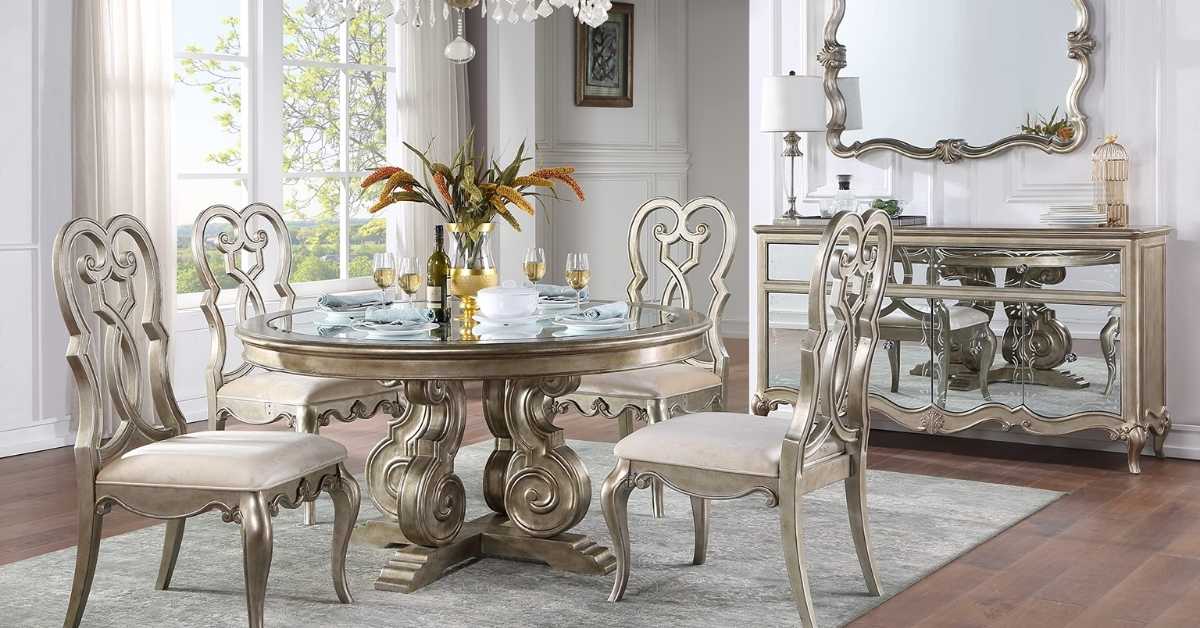
There’s a particular kind of frustration that comes with a dining room that looks fine but never quite feels finished. The table is there, the chairs are there, but something about the whole setup feels more Amazon Dining Decor functional than intentional. If that sounds familiar, you’re not alone and the fix usually isn’t a full renovation. It’s often a few well-chosen pieces that bring the room into focus.
Amazon has quietly become one of the best places to find dining decor that looks considered without the price tag that usually comes with “considered.” The challenge is knowing what to look for because for every genuinely good find, there are ten that look great in product photos and disappointing in your actual space.
This list focuses on real setups: ideas that work across different room sizes, lighting situations, and budgets. Whether your dining area is a dedicated room or a corner carved out of an open-plan kitchen, there’s something here worth trying.
A Sculptural Centerpiece Bowl That Earns Its Place on the Table

Most centerpieces either take up too much visual space or disappear entirely. A sculptural bowl, something in matte ceramic, travertine-look resin, or hammered metal, hits a different note. It reads as intentional without demanding attention. Place it slightly off-center if you have a rectangular table; it creates a more relaxed, lived-in feel than dead-center placement. This works especially well in dining rooms that lack architectural detail; the bowl adds a focal point without competing with anything. It also solves the “what do I put in the middle of the table” problem permanently, since it looks great empty or filled with seasonal fruit.
Woven Placemats That Add Texture Without Adding Clutter
Texture is one of the most underused tools in dining room styling, and placemats are the easiest entry point. Woven rattan or seagrass placemats add a layer of warmth that a bare table, even a beautiful one just doesn’t have. They also visually anchor each place setting, making the table feel set even when it’s not in use. For smaller dining areas, this matters: a styled table draws the eye and makes the space feel purposeful rather than spare. Go for natural tones (sand, warm beige, natural fiber) rather than anything too dark, which can make a small dining space feel heavier.
A Linen Table Runner Layered Under the Centerpiece

A table runner does something subtle but important: it gives the table a defined central axis. Layering a linen runner under your centerpiece adds depth without adding height, which is useful when you have a low pendant light overhead and don’t want to crowd the sightline. In my experience, this works best when the runner is slightly rumpled rather than perfectly pressed; it looks more intentional, less like a hotel banquet setup. Linen in oatmeal, warm white, or muted sage reads well in almost any dining room color palette and works with both modern and traditional furniture.
A Set of Matching Taper Candle Holders in Mixed Heights
Taper candles have had a full-on resurgence, and honestly, for good reason. A set of two or three holders in varying heights creates vertical interest on the table without blocking sight lines the way a tall floral arrangement would. The key is the mixed-height approach: two holders at the same height look accidental; three at different heights look deliberate. Brass and matte black both work well depending on your chair finish and light fixture. This setup is particularly effective for evening dinners in rooms with limited natural light, where candle glow fills in what overhead lighting can’t.
Linen Napkins in Earthy Tones That Replace Paper for Good

Switching to cloth napkins is one of those changes that feels small until you actually do it. A set in terracotta, sage, dusty blue, or warm white shifts the table from casual to considered in a way that’s hard to explain but immediately visible. Amazon has solid options in stonewashed linen that soften beautifully after a few washes and don’t require ironing to look good. Stack them loosely on the table between meals and they work as decor too, a small detail that makes the whole dining setup feel more intentional.
A Rattan Pendant Light That Changes the Whole Mood
Lighting is the single biggest lever in the dining room atmosphere, and a rattan pendant pulls double duty it’s both a functional light source and a visual anchor for the space. The woven material diffuses light in a way that most standard shades don’t, creating a warm, slightly dappled glow that reads as cozy rather than harsh. This works especially well in rental apartments where you can’t change the fixture but can swap the shade for a pendant that hangs from a cord. Round tables and round rattan pendants work particularly well together; the shapes echo each other and create a more cohesive overall look.
A Marble-Look Serving Board as Permanent Table Decor

A good serving board doesn’t have to live in the kitchen. A marble-look or light wood board leaned casually against a wall shelf or displayed on a table alongside candles and a small vase creates a layered vignette that photographs beautifully and works in real life. This is especially useful in dining rooms that are missing a credenza or sideboard; it gives a surface something to do without requiring additional furniture. Amazon’s resin marble-effect boards are considerably lighter than real stone and easier to prop and style.
A Simple Bud Vase Trio for Low-Maintenance Greenery
One tall vase of flowers can feel effortful to maintain. A trio of small bud vases clustered together at different heights solves the same visual problem with a fraction of the upkeep. A single stem of eucalyptus, one dried pampas stem, and a sprig of something seasonal can rotate in and out easily. This setup works especially well for dining tables that double as homework or work surfaces during the day, since the vases can be moved to a sideboard in seconds and brought back for meals.
Read More About : 21 Dining Room Lighting Over Table Ideas That Change How the Whole Room Feels
Rattan or Wooden Napkin Rings That Double as Table Styling

Napkin rings are underestimated. A set of rattan, wooden bead, or hammered metal rings turns a folded napkin into something that looks intentional. They’re also a fast way to style a table for guests without putting out an entire formal place setting. This is one I’d actually recommend trying first if you’re new to table styling; it’s the lowest-cost, lowest-effort detail that makes a meaningful visual difference. Go for natural materials over anything too ornate; they’ll work with more settings across seasons.
A Dark-Toned Tablecloth for Instant Mood Shift
A tablecloth in a deep, grounded tone, dark sage, charcoal, terracotta, or navy can shift an entire dining room’s mood for the cost of a product that ships in two days. Most people default to white or cream, but a dark linen tablecloth creates more visual depth and hides wear far better. It also lets lighter tableware and candle holders stand out more clearly against the background. This works particularly well in dining rooms with lighter walls and floors; the tablecloth becomes the grounding element the space needs.
Wall Art That’s Actually Scaled for a Dining Room

One of the most common dining room mistakes is hanging art that’s too small. A single oversized print something in a matte or oak frame hung above a sideboard or on the primary wall beside the table reads as intentional in a way that a gallery wall of small frames often doesn’t. Botanical prints, abstract shapes, and architectural photography all work well in dining spaces. Amazon has a surprisingly wide range of canvas and framed prints that come gallery-wrapped and ready to hang no additional framing needed.
A Concrete or Ceramic Candle Tray for Zero-Scatter Styling
A tray changes everything about how loose decor items look on a table. A low concrete, ceramic, or dark wood tray corrals candles, a small vase, and a couple of decorative objects into something that looks composed rather than random. It also makes clearing the table for meals faster, lifting the tray, setting it on a sideboard, done. This is particularly useful in dining rooms that flow into open-plan living spaces, where the table is visible from multiple angles and always-on decor needs to look finished from every side.
A Statement Fruit Bowl That Earns the Counter Space

A fruit bowl sounds basic, but the shape and material matter more than the fruit. A wide, shallow bowl in matte black, terracotta, or hammered brass reads as sculpture when it’s not full. When it is full, it’s naturally styled decor. This works especially well in dining rooms that are short on decorative objects; one well-chosen bowl does more work than a collection of smaller pieces that don’t relate to each other.
A Woven Storage Basket Under or Beside the Table
This one is less about pure aesthetics and more about solving a real problem: dining rooms that also need to store things. A large woven seagrass or water hyacinth basket tucked beside the table or at the end of a bench can hold extra blankets, napkins, or kids’ items without looking like storage. It adds texture and warmth to a corner that would otherwise just be dead space. In apartments or small homes where the dining area connects to a living room, this works especially well; the basket becomes part of the overall decor rather than an afterthought.
Linen Curtains That Frame the Dining Area Without Boxing It In

Floor-length curtains in a dining space do something that blinds and shorter treatments don’t: they add height to the room visually and soften the boundary between indoors and outside. Sheer linen or cotton in natural white or warm ivory lets light through while adding texture to the wall. In open-plan spaces, a curtain treatment also helps define the dining zone as its own area without building a wall. Amazon has a wide range of affordable linen-look curtains with eyelet or rod-pocket tops that work with standard curtain rods.
A Minimalist Wooden Clock for Function-Meets-Decor
A large wall clock above a sideboard or credenza does something that pure decor doesn’t: it justifies its place in the room functionally while still contributing visually. A round wooden or metal clock in a minimalist design reads as architectural rather than decorative, which suits dining rooms that lean neutral or Scandinavian. It fills wall space purposefully and pairs naturally with framed art beside it. In dining rooms without a lot of wall decor, this is a confident single-piece solution.
A Pair of Wall Sconces for Soft Layered Dining Light

The best dining room lighting uses more than one source, and wall sconces are the easiest way to add a second layer without any rewiring. Plug-in sconces have improved significantly; they look nearly identical to hardwired versions and only need a power outlet. A pair of warm-toned sconces flanking a piece of art or a mirror adds depth and dimension to the dining room in a way that a single overhead pendant can’t. This is especially valuable in rooms where the overhead light is fixed and not particularly warm or flattering.
A Live-Edge or Textured Wood Serving Tray for Sideboard Styling
A textured or live-edge wood tray on a sideboard turns a functional surface into a curated vignette. The natural edge creates visual interest without requiring any additional objects, even a single candle and a small ceramic piece looks styled on the right tray. This setup works best in dining rooms with a sideboard or credenza, where you need something to anchor the surface without making it look like a counter. IMO, a good tray is one of the most versatile dining decor purchases you can make.
Stacked Cookbooks as Décor on the Dining Credenza

Cookbooks are having a genuine moment as home decor objects in 2026, and dining rooms are the natural home for them. Stacked horizontally with spines facing out, a set of two or three visually interesting cookbooks think neutral linen covers or bold minimalist graphic design adds color, texture, and personality to a credenza without requiring a single additional purchase beyond the books themselves. It’s one of the more practical decor moves because the objects are useful, not purely ornamental.
A Ceramic Pitcher as a Multi-Use Table Object
A ceramic pitcher doesn’t have to hold water or flowers exclusively. A wide matte ceramic pitcher on the table can hold dried botanicals, a few simple stems, or stand alone as a sculptural object. It reads differently than a more domestic, more lived-in which suits dining spaces that are meant to feel warm and functional rather than staged. This works especially well on smaller dining tables where a standard vase height might interfere with sight lines across the table.
A Framed Botanical Print for a Bare Dining Room Wall

In a dining room that has one wall with nothing on it a common problem in smaller apartments a single oversized framed print makes a more confident statement than anything smaller would. Botanical illustrations have staying power because they reference nature without feeling trendy, and they work with nearly any color palette. A light wood or simple black frame keeps the look clean. Hang it at eye level when seated, which is lower than most people think the goal is for it to feel connected to the dining experience, not floating above it.
Read More About : 22 Boho Dining Room Decor Ideas That Actually Work in Real Homes
A Dark Wood Lazy Susan for Both Function and Style
A lazy susan often lives in the back of a cabinet, but a well-made one in dark walnut or bamboo belongs on the table permanently. It solves the practical problem of passing dishes across a round table while also functioning as a rotating display platform for everyday objects: a small plant, a candle, olive oil and salt for daily meals. I’ve noticed this style works especially well for households where the dining table is used daily for actual meals, not just styled for photos. The lazy susan keeps things both organized and decorative.
A Set of Ribbed Glassware That Looks High-End at the Table

The glassware you put on a table affects how the whole setting reads. Ribbed glassware the kind with vertical or waffle-pattern texture catches light in a way that plain glasses don’t, creating a subtle sparkle effect even under basic overhead lighting. Amazon has solid options in both clear and smoked versions. This is a functional purchase that has a genuine visual payoff, particularly for evening meals when candles and pendant lights interact with the glass surface.
A Small Indoor Plant in a Ceramic Pot for the Dining Table or Sideboard
A single, well-chosen plant in the right pot adds more warmth to a dining room than most decor objects will. The key word is “single” ; one plant in one good pot looks deliberate; multiple plants in mismatched containers look accidental. A small pothos, ficus, or trailing plant in a matte terracotta or ribbed ceramic pot works well on either the dining table itself (if space allows) or on a sideboard where it adds a living element to an otherwise static surface. Amazon has a solid range of ceramic plant pots that photograph and live well.
A Wicker or Seagrass Dining Chair (as an Accent or Full Set)

Mixing chair materials is one of the design moves that’s gained real traction in 2026 and wicker or seagrass chairs are a key part of that. You don’t need to replace all your chairs: adding two wicker or seagrass chairs at the ends of a rectangular table, alongside two existing wooden or upholstered chairs, creates a collected, curated look that feels more intentional than a matched set. It also works as a budget approach by buying two accent chairs rather than four matching ones.
A Brass or Matte Black Table Lamp on the Sideboard
A table lamp in the dining room is underused as a strategy, mostly because people think overhead lighting is sufficient. But a lamp on the sideboard adds a second source of warm light at a lower height, which changes the entire mood of the room for evening meals. A slim brass or matte black base with a linen or cream shade is versatile enough to work with most dining room aesthetics. This is especially effective in rooms where the overhead pendant is more functional than atmospheric.
A Monogrammed or Embroidered Table Linen for a Personal Touch

The shift toward personalized home textiles has been building for a few years and is fully mainstream in 2026. A tablecloth or set of napkins with subtle embroidered detail, a simple border, a monogram, or a hand-stitched pattern adds a layer of craft that mass-produced decor rarely achieves. Amazon and its marketplace sellers have expanded their textile range significantly; look for stonewashed linen with embroidered edges for the most elevated look at an accessible price point. This works in both formal dining rooms and casual everyday setups; the embroidery reads as personal rather than formal.
What Actually Makes These Finds Work in Real Dining Rooms
Not every Amazon buy lands the way it looks in the product listing. The ones that work share a few things in common.
Scale is the most common issue.
A centerpiece bowl that looks generous online can arrive and feel tiny on a large dining table. Before ordering, measure your table surface and check the product dimensions against it. As a general rule, a centerpiece object should be no more than one-third the length of the table to leave a usable surface on both sides.
Material cohesion matters more than color matching.
A dining room that mixes too many different materials glass, metal, plastic, synthetic rattan, real wood tends to feel disjointed even when the colors work. Anchoring your decor in two or three materials (say, natural wood, linen, and matte ceramic) keeps the space feeling settled even when individual pieces vary in style.
Lighting condition affects how products look in your space.
A dark ceramic bowl that reads as rich and warm in product photos with studio lighting may look flat in a dining room with cool overhead light. Wherever possible, prioritize warm-toned bulbs in your pendant and any additional light sources it changes how every surface in the room reads, from tablecloths to glassware to wall color.
Dining Room Decor Setup Guide by Space Type
| Setup Idea | Best Space Type | Key Benefit | Problem It Solves | Effort Level |
| Sculptural centerpiece bowl | All sizes | Permanent focal point | “What goes in the middle?” | Low |
| Rattan pendant light | Small to medium rooms | Warm diffused light + visual anchor | Harsh or flat overhead lighting | Medium (shade swap) |
| Woven placemats + linen runner | Any dining table | Adds texture and depth | Bare table looks unfinished | Low |
| Wall sconces (plug-in) | Rooms with fixed ceiling lights | Layered warm lighting | Single overhead light feels cold | Low |
| Tray vignette on sideboard | Rooms with a credenza or sideboard | Organizes decor into a composed unit | Loose objects look random | Low |
| Mixed dining chairs (wicker accent) | Medium to large rooms | Collected, curated look | Matched sets feel rigid or dated | Medium |
| Floor-length linen curtains | Rooms with windows or open-plan spaces | Adds height, frames the dining zone | Bare walls, undefined dining area | Low–Medium |
| Indoor plant in ceramic pot | Any room | Living warmth, natural element | Static, lifeless decor | Low |
Common Dining Room Decor Mistakes That Make the Space Feel Unfinished
Hanging art too high.
This is the single most common dining room mistake. Art hung at general “eye level when standing” floats too far above the seated experience. In a dining room, art should be hung so the center of the frame is roughly at eye level when you’re seated about 57–60 inches from the floor in most spaces. It makes the room feel more cohesive and connected.
Choosing a table that’s too large for the room.
A dining table that crowds the room leaves insufficient space for chairs to pull out comfortably (aim for at least 36 inches between the table edge and the wall), which makes the room feel smaller and harder to use. If the room is compact, a round table often works better than a rectangular one because it improves traffic flow around all sides.
Using lighting that’s too bright or too white.
Cool-toned overhead lighting flattens every surface in a dining room and makes both food and people look less appealing. A warm bulb (2700K–3000K) in whatever pendant or overhead fixture you have will improve the atmosphere more than almost any decor purchase. It’s a $5 fix that changes the entire feel of the room.
Skipping a second light source.
One overhead pendant, even a beautiful one, creates a single point of light that leaves the rest of the room walls, sideboard, corners in relative darkness. A lamp on a sideboard, a set of plug-in sconces, or even a cluster of candles adds the secondary layer that makes a dining room feel warm rather than functional.
Decor that’s too small for the scale of the table or room.
A single small vase on a large dining table, or a small piece of art on a wide wall, reads as an afterthought rather than a choice. Scale up consistently: bigger centerpiece, larger art, taller candle holders. When in doubt, going larger than feels comfortable it almost always looks more intentional than going smaller.
FAQ’s
What are the best types of dining room decor to buy on Amazon?
The strongest Amazon buys for dining rooms tend to be textiles (linen napkins, table runners, placemats), lighting additions (pendant shades, plug-in sconces, candle holders), and accent pieces in natural materials (ceramic, rattan, wood). These categories translate well from product photos to real spaces and tend to be less dependent on exact sizing.
How do I make my dining room look more intentional without buying a lot of new furniture?
Focus on the table surface first: a runner, a centerpiece, and a candle or two will do more visual work than most people expect. Then address lighting: a warmer bulb or an added lamp on a sideboard changes the mood immediately. Most styled dining rooms are the result of three or four well-chosen accessories, not a full redecoration.
What’s the right size for a dining table centerpiece?
A centerpiece object or arrangement should generally span no more than one-third the length of the table. For a standard 72-inch rectangular table, that’s roughly 24 inches. Keep height under 12 inches if you want guests to see each other easily across the table or go very tall and narrow (like taper candles) which doesn’t block sight lines the way a wide, medium-height arrangement would.
Should dining room wall art be hung higher or lower than in other rooms?
Lower. In a dining room, you’re seated for much of the time you’re in the space, so art should be hung at seated eye level roughly 57 to 60 inches from floor to the center of the frame. Most people hang dining room art too high, which disconnects it from the experience of being in the room.
Is rattan decor still a good choice in 2026, or is it overdone?
Rattan is still a strong choice, particularly in natural, unbleached tones rather than the bright or painted versions. The key is using it selectively: one rattan pendant or a set of woven placemats reads as considered; rattan chairs, a rattan pendant, a rattan rug, and rattan placemats in the same room start to feel like a theme. Treat it as a material accent, not a whole aesthetic.
What’s the easiest way to make a small dining area feel less cramped?
Round tables improve traffic flow significantly compared to rectangular ones in tight spaces. Beyond furniture, using a single large piece of wall art instead of a gallery of smaller frames creates visual breathing room. Keep the table surface mostly clear between meals rather than heavily decorated, and ensure lighting is warm and layered, since harsh overhead light tends to make small spaces feel more enclosed.
Can I mix Amazon decor finds with higher-end pieces?
Absolutely and it often looks better than an all-budget or all-high-end approach. The most effective strategy is to invest in the fixed or larger pieces (a good pendant, quality chairs, a solid table) and use Amazon for textiles, decorative objects, and accent pieces that get updated more frequently anyway.
Conclusion
A dining room that works is less about a specific aesthetic and more about decisions that fit the actual space: the size, the light, the way the room is used day to day. Most of the finds on this list cost under $50, and any three or four of them combined will change how the room reads more meaningfully than a single expensive statement piece.
Start with what bothers you most about your current setup. If the table feels empty, try a centerpiece and runner. If the room feels cold, address the lighting first. If the walls feel bare, one oversized print will do more than you expect. Small, specific changes that address real problems are always more effective than a full redecoration and they’re a lot easier to live with if your taste shifts six months from now.
