

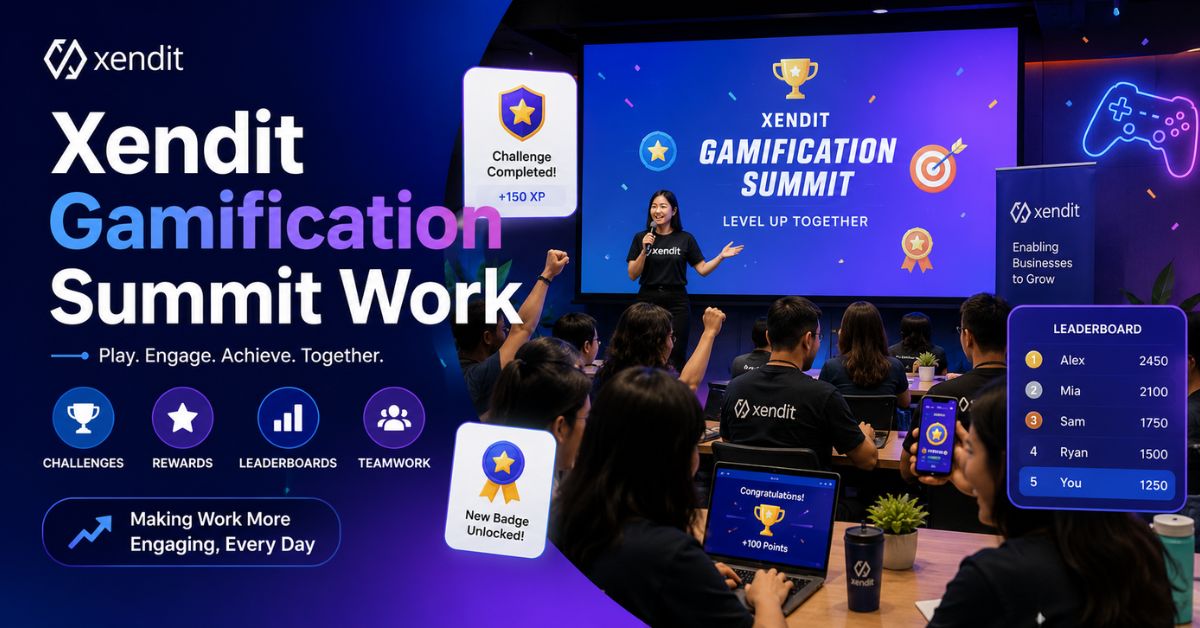
Employee engagement has become one of the toughest problems modern companies face. Teams grow fast, work turns remote or hybrid, and old-school engagement tactics stop working. Many organizations now turn to workplace gamification to fix this gap. Xendit Gamification Summit Work shows what happens when a company builds a real employee engagement strategy instead of relying on one-time perks.
This article breaks down how Xendit created a gamified workplace that people actually want to be part of. You’ll see the thinking behind it, the tools they used, and the lessons any company can borrow.
What Is Xendit Gamification Summit Work?
Xendit Gamification Summit Work refers to a structured workplace engagement program built around game-like mechanics. It’s not about turning your job into a video game. It’s about using proven employee motivation techniques, like progress, recognition, and teamwork, to make daily work feel more rewarding.
The idea spread quickly because it solves a real problem. Companies wanted a repeatable engagement initiative that didn’t rely on annual bonuses or one-off events. Xendit work gamificationsummit became a reference point for HR teams looking for something that actually sticks.
Understanding the Concept
At its core, this system blends behavioral psychology with everyday work tasks. Employees complete small activities, earn recognition, and track their own growth. It rewards intrinsic motivation just as much as extrinsic rewards, which is why it holds up better over time than cash bonuses alone.
Why It Has Gained Attention
HR leaders search for terms like gamificationsummit xendit work because they want proof that gamification works outside of tech demos. Xendit gave them a real case study. The program tied directly to organizational performance, not just morale surveys, and that’s rare.
Why Traditional Employee Engagement Programs Were Losing Effectiveness

Most companies already run some kind of engagement program. But many of them quietly fail. Employees stop opening the newsletter. They skip the survey. The annual awards dinner becomes background noise instead of something people look forward to.
The core issue is simple: old programs weren’t built around how people actually stay motivated. They focused on big, rare moments instead of everyday workplace participation. Xendit studied this failure pattern closely before designing anything new.
Low Participation Rates
Generic programs often see a small group of employees do all the engaging while everyone else tunes out. Without a clear, easy way to join in, employee participation drops fast, especially in larger or distributed teams.
One-Time Incentive Fatigue
A single big reward, like a yearly bonus, loses its punch after a while. People forget it by March. This is a classic problem in workplace rewards system design: rewards need repetition, not just size, to keep motivating people.
Lack of Meaningful Recognition
Employees who mentor others, share knowledge, or solve tough problems often get zero acknowledgment. Over time, this silence hurts employee satisfaction more than people expect. A missing employee recognition program quietly drains motivation from a team.
The Employee Engagement Challenge Xendit Wanted to Solve
Fast-growing fintech companies face a specific kind of strain. Teams scale quickly, offices spread across regions, and new hires join faster than culture can absorb them. Xendit wasn’t just chasing productivity numbers. It wanted employees to feel connected, even as the company grew past the size where everyone knows everyone.
That challenge shaped the whole approach. Instead of a single engagement event, Xendit needed something ongoing, something that could scale with the company. This is where the real work behind xendit gamificationsummit work began, not as a marketing idea, but as a response to a genuine company culture improvement problem.
Strategic Goals Behind the Gamification Initiative
Every strong program starts with clear goals, not vague hopes. Xendit set five specific targets before building anything. Each one mapped to a real business outcome, not just a feel-good metric.
| Goal | What It Targets |
| Strengthening connections | Reduces isolation across distributed teams |
| Increasing participation | Boosts voluntary involvement, not mandatory attendance |
| Supporting learning | Ties continuous learning to daily work |
| Encouraging collaboration | Builds cross-functional collaboration across departments |
| Creating long-term motivation | Moves beyond short bursts of enthusiasm |
Strengthening Employee Connections
People work harder for teams they feel part of. Xendit built activities that pushed employees to interact outside their usual circle, which slowly rebuilt the sense of belonging that fast growth tends to erode.
Increasing Participation
Voluntary engagement beats forced attendance every time. When people choose to join in, the employee experience feels genuine instead of like another task on a checklist.
Supporting Continuous Learning
Learning shouldn’t stop after onboarding. Xendit tied workplace learning directly into the gamification system, so skill-building became part of the daily rhythm instead of a separate, easily-skipped chore.
Encouraging Cross-Team Collaboration
Departments often work in silos without meaning to. Shared missions and quests forced interaction between engineering, product, and operations, which naturally improved workplace collaboration across the whole company.
Read More About : URL Encoder Spell Mistake: The Complete Guide to Fixing URL Encoding Errors
Creating Long-Term Motivation
Short bursts of excitement fade fast. Xendit is designed for staying power, not a one-month spike, which is the hardest and most important part of any engagement initiatives rollout.
How Xendit Designed Its Gamification Framework
Good gamification design walks a fine line. Push too hard on competition and people burn out or feel manipulated. Push too soft and nobody notices the program exists. Xendit’s framework leaned on real behavioral psychology research to strike that balance.
The system rested on three psychological drivers: achievement, recognition, and belonging. Every feature in the program, from daily tasks to big team missions, tied back to one of these three pillars. That structure kept the whole thing coherent instead of feeling like a random pile of features.
Behavioral Design Principles
Achievement gives people a sense of forward motion. Recognition makes contributions visible to others. Belonging ties individual effort to a larger group identity. Together, these three principles shaped every decision in the gamified workplace design.
Daily Activities and Micro-Wins
Small, frequent wins matter more than people assume. Completing a short training module or helping a teammate counts as a micro-win, and these little moments build momentum far better than rare, massive rewards ever could.
Team-Based Challenges
Instead of ranking individuals against each other, Xendit built challenges around team-based challenges and shared goals. This shift reduced unhealthy rivalry and pushed people to lift each other up rather than compete for a single prize.
Collaborative Quests and Missions
Collaborative missions brought together employees from different departments to solve a shared problem. An engineer, a product manager, and a support rep might team up on an innovation quest, which naturally builds relationships that wouldn’t form otherwise.
Achievement Badges and Milestones
Achievement badges gave visible proof of progress. Employees earned them for learning milestones, leadership moments, or consistent collaboration, turning invisible effort into something the whole company could see and celebrate.
Progress Tracking and Leaderboards
An engagement dashboard let employees track their own growth over time. Progress tracking and light leaderboard elements gave people a reason to check back regularly, similar to how a fitness app keeps you coming back to log a workout.
Step-by-Step Employee Journey

A strong program needs a clear path, not a confusing maze of features. Xendit mapped the entire employee journey from day one through long-term participation, so nobody felt lost or unsure how to get involved.
This journey mattered as much as the features themselves. A brilliant gamification system means nothing if new hires can’t figure out how to start. Xendit treated the onboarding process as the true beginning of engagement, not an afterthought tacked on later.
Onboarding Experience
New hires learned the program’s goals, available activities, and reward structure during employee onboarding. This early exposure set expectations and made the gamified system feel like part of the culture from day one.
Daily Participation
Employees chose activities that matched their interests and role. This flexibility respected different working styles instead of forcing a one-size-fits-all routine onto every department.
Progress Monitoring
Dashboards showed achievements, upcoming milestones, and available challenges. Visibility alone often drives more staff motivation than any financial incentive could.
Recognition and Rewards
Peers and leadership acknowledged achievements in real time. This kind of leadership recognition carries more weight than a delayed, generic thank-you email sent weeks later.
Celebrating Milestones
Big wins became shared, public moments instead of quiet, private acknowledgments. Group celebration reinforced the sense of community that the whole program aimed to build.
Technology and Tools Behind the Experience
Technology supported this program, but it never became the main event. Xendit combined communication platforms, analytics tools, and automation software to keep the system running smoothly without adding extra work for managers.
| Technology Area | Purpose |
| Communication platforms | Daily interaction and updates |
| Analytics systems | Tracking engagement analytics |
| Recognition tools | Powering the recognition platform |
| Automation software | Managing repetitive workflows |
| Reporting dashboards | Monitoring outcomes and trends |
The best workplace engagement program setups fit naturally into tools employees already use. Xendit avoided adding a clunky new app that people would forget to open, choosing instead to weave gamification into existing digital workplace systems.
The Role of AI and Personalization
Not every employee wants the same experience. Some love competition. Others care more about learning. AI personalization let Xendit tailor the program to individual preferences instead of forcing everyone through the same generic path.
This personalization made the whole system feel less like a corporate mandate and more like a tool built for the individual. AI-powered employee engagement also let the program scale without requiring managers to manually customize every employee’s experience by hand.
Personalized Learning Paths
The system suggested training and skill-building content based on role and past activity, turning a generic learning management system into something that felt custom-built for each person.
Read More About : CNLawBlog Review 2026: Is It a Trusted Legal Resource for China Business Law?
Smart Activity Recommendations
Algorithms recommended quests and challenges that matched an employee’s interests, which kept the experience fresh instead of repetitive.
Real-Time Performance Insights
Managers gained access to performance recognition system data that highlighted trends early, allowing them to celebrate wins or address dips in participation before they became bigger problems.
Why Gamification Works Well in Fintech Companies

Fintech work tends to be detail-heavy, compliance-driven, and stressful. That combination raises burnout risk fast. A fintech workplace needs engagement tools that respect this pressure instead of piling on more noise.
Gamification works especially well here because it rewards precision and consistency, traits that matter deeply in financial technology. Xendit’s approach gave engineers and compliance teams a way to feel recognized for careful, unglamorous work that often goes unnoticed in other industries.
Building Engagement Across Different Departments
Not every team works the same way, so a single activity type won’t land everywhere. Xendit customized challenges by department, which kept the program relevant instead of feeling forced onto teams with different daily realities.
This department-level thinking is often the missing piece in failed gamification attempts. A generic, company-wide challenge rarely fits both an engineering sprint and a customer support queue equally well.
Engineering Teams
Engineering activities focused on innovation challenges and technical knowledge sharing, giving developers a reason to document solutions instead of solving problems quietly and moving on.
Product Teams
Product teams leaned into collaboration and user-centered projects, tying team performance directly to feedback from real customers.
Operations Teams
Operations staff engaged through efficiency-focused missions, rewarding process improvements that often go unnoticed in day-to-day work.
Customer Success and Support Teams
Support teams earned recognition for service quality and communication skills, reinforcing behaviors that directly shape customer trust.
How Xendit Encouraged Long-Term Participation
Many programs start strong and fade within a few months. Xendit avoided this trap by treating the system as something that needed constant care, not a one-time launch that could run on autopilot.
Long-term success came from listening closely and adjusting often. The company treated its employee feedback system as a core part of the program’s design, not an optional survey sent out once a year.
Meaningful Rewards
Rewards centered on growth opportunities and recognition rather than generic gift cards, which kept motivation tied to career value instead of temporary novelty.
Fresh Challenges and Content Updates
New quests and missions arrived regularly, preventing the staleness that kills most workplace innovation efforts within a year.
Employee Feedback Loops
Participants shaped future features through direct input, which built trust and made the program feel co-owned rather than imposed from above.
Community-Driven Activities
Employees became active contributors, suggesting new challenges and even running small community events tied to the broader program.
Challenges Faced During Implementation
No rollout goes perfectly. Xendit hit real obstacles along the way, and being honest about them matters more than pretending the process was flawless.
Some of these challenges took months to resolve. Others required ongoing adjustment that never fully ended, which is normal for any large-scale engagement platform.
Initial Employee Skepticism
Some employees assumed this was another short-lived initiative destined to disappear within a quarter, a common reaction rooted in past disappointment with corporate programs.
Participation Gaps
Certain teams engaged far more than others, requiring targeted outreach rather than a blanket, one-size-fits-all push.
Reward Fatigue
Overusing incentives dulled their impact over time, proving that even a well-built workplace rewards system needs pacing and restraint.
Scaling Across Teams
As the company grew, the system needed more sophisticated infrastructure to keep working smoothly across a larger, more distributed workforce.
Measuring Intangible Outcomes
Culture improvements resist easy measurement. Xendit had to combine hard data with qualitative feedback to get a full picture of impact.
Measuring Success: Key Metrics and Outcomes
Measurement determines whether a program actually delivers value or just looks good on paper. Xendit tracked a clear set of employee engagement metrics rather than relying on gut feeling or anecdotal praise.
These numbers guided every future adjustment to the program. Without solid data, it’s nearly impossible to know which parts of a company engagement framework are actually working.
| Metric | What It Measures |
| Participation rate | Overall workforce engagement |
| Employee satisfaction | Sentiment and morale trends |
| Learning completion | Training and professional development progress |
| Collaboration frequency | Cross-team interaction levels |
| Retention indicators | Employee retention strategy effectiveness |
Business Impact of the Gamification Initiative
Strong engagement creates ripple effects far beyond the HR department. Xendit saw measurable shifts across collaboration, culture, and even employee wellbeing after the program matured.
These outcomes reinforced the original investment. What started as an experiment in employee motivation turned into a measurable driver of business productivity improvement across multiple teams.
Improved Collaboration
Departments interacted more often, breaking down silos that had built up during rapid growth.
Increased Knowledge Sharing
Learning became woven into daily routines instead of sitting in a separate training calendar nobody checked.
Higher Employee Participation
Programs became more accessible and appealing, pulling in employees who had previously ignored engagement efforts entirely.
Stronger Workplace Culture
Recognition became a normal part of daily interaction, strengthening organizational culture at every level of the company.
Reduced Employee Burnout
Consistent recognition and manageable workloads, reinforced through the program, helped ease the exhaustion common in fast-paced fintech roles, supporting broader workplace wellness.
Enhanced Employee Experience
Employees felt more connected to their work and to each other, which improved day-to-day satisfaction well beyond the metrics dashboard.
Lessons Organizations Can Learn From Xendit
Xendit’s experience offers a practical playbook, not just an inspiring story. Any company, fintech or otherwise, can borrow these principles without copying every detail exactly.
The lessons below apply whether you’re running a team of twenty or twenty thousand. Scale changes the tools, but not the underlying logic.
Start With Employee Needs
Build programs around real problems your team faces, not generic engagement templates pulled from a blog post.
Reward Meaningful Behaviors
Recognition should reinforce actions that actually matter to the business, not just easy, low-effort tasks.
Prioritize Collaboration Over Competition
Team success tends to produce stronger, more sustainable outcomes than pure individual rivalry.
Keep Participation Simple
Complicated systems create friction. If employees need a manual to understand how to participate, the design has already failed.
Continuously Improve Through Feedback
Let employee input guide ongoing changes rather than treating the initial launch as a finished product.
Common Workplace Gamification Mistakes to Avoid
Plenty of companies attempt gamification and quietly abandon it within a year. Most failures trace back to a handful of repeated, avoidable mistakes.
Knowing these pitfalls in advance can save months of wasted effort and employee goodwill.
Focusing Too Much on Competition
Excessive rivalry discourages quieter employees from participating at all, shrinking the pool of people who feel comfortable joining in.
Rewarding the Wrong Behaviors
Metrics need to align with real organizational goals, or employees will optimize for the wrong outcomes entirely.
Making the System Too Complex
Complicated point systems and confusing rules create friction that kills enthusiasm before it even builds.
Ignoring Employee Feedback
Employees usually know exactly what’s broken. Ignoring their input guarantees the same mistakes repeat.
Chasing Short-Term Results
Sustainable employee retention and engagement take patience. Programs built for quick wins rarely survive past the first few months.
The Future of Workplace Gamification
Workplace engagement keeps evolving, and gamification is shifting along with it. Several trends are already reshaping what these programs look like heading into the next few years.
Companies that adapt early tend to build stronger, more resilient engagement strategy frameworks than those that wait for these trends to become standard practice.
AI-Powered Personalization
Artificial intelligence increasingly tailors experiences at scale, matching activities to individual motivation styles automatically.
Real-Time Recognition
Instant feedback loops strengthen motivation far more than delayed, batch-processed praise ever could.
Hybrid Workforce Engagement
Programs increasingly need to support both hybrid workforce setups and fully remote employee engagement, since fewer teams sit in one office anymore.
Social Learning Experiences
Communities of practice are replacing rigid, top-down training structures with peer-driven social learning models.
Experience-Centered Design
Future programs will likely shift focus away from pure rewards and toward meaningful, purpose-driven participation.
“The most effective gamification programs don’t make work feel like a game. They make meaningful work feel more rewarding.”
Frequently Asked Questions
What is Xendit Gamification Summit Work?
It’s a structured workplace engagement program that applies gamification principles like challenges, recognition, and milestones to improve employee performance and daily participation.
How does workplace gamification improve employee engagement?
It increases visibility, strengthens recognition, and motivates consistent workplace participation through small, regular wins instead of rare, large rewards.
Why is gamification effective in fintech companies?
Fintech roles carry heavy pressure and detail-oriented work. Gamification rewards precision and consistency, which helps offset burnout in a demanding fintech workplace.
What activities are typically included in workplace gamification?
Programs often include learning challenges, team-based challenges, collaborative missions, and milestone recognition tied to real work outcomes.
How is the success of gamification measured?
Companies typically track participation rates, employee satisfaction, learning completion, and retention trends to judge whether a program truly works.
Conclusion
The growing interest in xendit work gamificationsummit, gamificationsummit xendit work, gamificationsummit work xendit, and xendit gamificationsummit work reflects a real shift in how companies think about employee experience. Traditional programs often fail to hold attention past the first few months. Gamification offers something more durable by combining recognition, team engagement, and continuous learning into one connected system.
When done well, this kind of program becomes more than a rewards scheme. It becomes a foundation for career growth, stronger workplace communication, and a genuinely people-first culture. As more companies adapt to hybrid work and shifting employee expectations, thoughtful engagement strategy design like Xendit’s will likely define what separates thriving workplaces from the ones still struggling to keep people around.
