

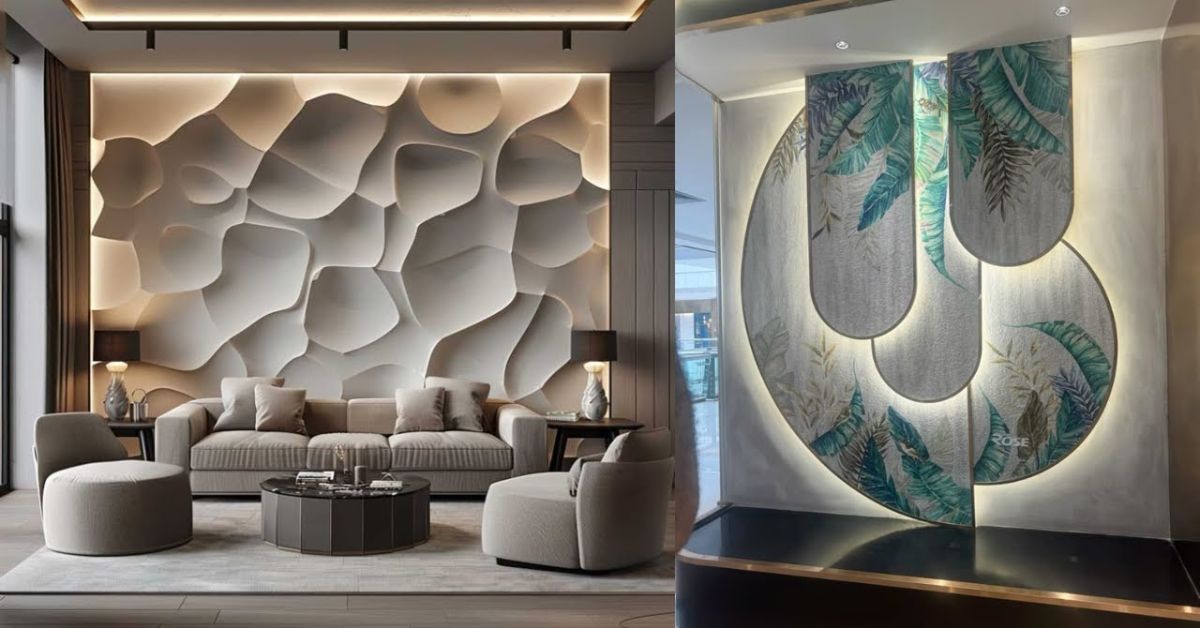
Blank walls feel boring. You walk into a room, and something feels flat. That’s usually the wall. Wall panel decor fixes that problem fast. It adds shape, warmth, and character to any space. And right now, it’s one of the biggest trends in American homes.
This guide covers everything you need to know. You’ll find wall paneling ideas for every room, every budget, and every style. We’ll cover materials, colors, DIY tips, and the latest 2026 trends. By the end, you’ll know exactly which wall panel design fits your home.
What Is Wall Panel Decor?

Wall panel decor means adding a decorative or functional covering to your wall’s surface. It can be wood, MDF, PVC, or fabric. Some panels sit flat against the wall. Others add depth with grooves, ridges, or 3D shapes. Either way, the goal stays the same: add texture and style to a plain wall.
This trend isn’t new. Old homes used wall trim and wall molding for insulation. They also protected walls from furniture scuffs, which is why chair rails became popular. Today, most decorative wall panels serve a different purpose. They’re mostly about looks. Homeowners use them to create a statement wall, hide imperfections, or bring an elegant wall treatment into a plain room. From cheap peel-and-stick panels to custom wood wall paneling, there’s an option for every budget.
Wall Panel Design Ideas for Every Room

Every room has different needs. A bathroom needs moisture resistance. A living room needs style and scale. A hallway needs durability. So wall paneling ideas for any room should match the room’s function first, then its look.
Let’s break this down room by room. Each space calls for a slightly different approach to interior wall design. Some rooms handle bold textures well. Others need something quieter.
Living Room Wall Panel Design Ideas
The living room is often the star of the house. That’s why living room wall panels get the most attention on Pinterest and Instagram. A common choice is picture frame molding behind the sofa. It adds a formal, tailored look without much cost.
Another popular option is fluted wall panels flanking a fireplace. The vertical grooves catch light beautifully. For bigger rooms, try bold geometric wall panels or 3D wall panels. Smaller rooms do better with lighter colors and slimmer panel profiles.
Bedroom Wall Paneling Ideas
Bedroom wall paneling often centers on the headboard wall. A panel behind the bed instantly becomes the room’s focal point. Many homeowners choose fabric wall panels here. They soften the room and reduce noise, which helps with sleep.
For color, moody tones work well in bedrooms. Think navy, forest green, or charcoal. These shades pair nicely with wood wall paneling or painted MDF trim. The result feels calm, cozy, and a little luxurious.
Dining Room Wall Panel Designs
Dining rooms often go classic. Wainscoting paired with a chair rail is a timeless combination. It splits the wall into two zones: paneling below, paint or wallpaper above. This look suits both historic and new-build American homes.
Raised panels also work well in formal dining spaces. They add depth without feeling too heavy. Match your panel color to your dining furniture for a pulled-together look. A light oak panel next to matching chairs feels intentional, not accidental.
TV Unit and Feature Wall Panels
A blank TV wall can feel like a black hole in the room. Feature wall paneling fixes this. Slatted wood panels behind the TV help it blend into the wall instead of standing out. Fluted panels combined with floating shelves create a custom, built-in look.
Cable management matters here too. Plan your panel layout around outlets and cords before you install anything. A little planning now saves a lot of frustration later.
Staircase Wall Paneling Ideas
Staircase wall paneling can transform a dull stairwell. Vertical panels make the space feel taller. They also draw the eye upward, which works well in homes with high ceilings.
Panels can also hide the awkward door under the stairs. Many designers blend the panel design right over that door, so it disappears into the wall. Pair the paneling with a small gallery wall for extra charm.
Hallway and Entryway Wall Panels
Hallways see a lot of foot traffic, so durability matters. MDF and PVC panels hold up well here. Half wall paneling paired with a bench or coat hooks makes a small entryway feel finished and functional.
In narrow hallways, vertical panels help again. They stretch the eye upward and make the space feel less cramped. It’s a small trick with a big visual payoff.
Read More About : Kitchen Wall Decor Ideas 45 Stylish Ways to Transform Your Cooking Space
Types of Wall Panelling

Panel “type” refers to the pattern or technique used. This is different from material, which we’ll cover later. Many homeowners mix two or three types in one home for variety.
Popular types include wainscoting for dining rooms and hallways, board and batten for bedrooms and farmhouse homes, shiplap panels for coastal and farmhouse homes, beadboard panels for bathrooms and kitchens, fluted wall panels for accent walls and TV walls, raised and flat panels for formal or modern rooms, geometric wall panels for bedrooms and offices, and 3D wall panels for dramatic statement walls.
Wainscoting
Wainscoting covers the lower third or half of a wall. It usually pairs with a chair rail on top and a baseboard below. This style works beautifully in dining rooms, powder rooms, and hallways. It adds architectural detail without covering the whole wall.
Board and Batten
Board and batten wall designs use vertical strips, called battens, placed over a flat panel or drywall. This is one of the easiest DIY projects around. It’s a favorite in modern farmhouse homes across the US, and it won’t break your budget.
Shiplap Panels
Shiplap wall treatments use horizontal boards that overlap slightly. Thank a certain home renovation show for making shiplap a household name. If you want a fresh twist, paint your shiplap paneling a bold color instead of the usual white.
Beadboard Panels
Beadboard paneling uses narrow vertical planks with small grooves between them, called beads. It’s a classic choice for bathrooms, kitchens, and mudrooms. The spacing between beads can look vintage or modern, depending on the width you choose.
Fluted Wall Panels
Fluted wall panels feature vertical grooves or ridges. They’re trending hard right now. You’ll see them behind TVs, bars, and fireplaces. Warm wood tones and curved furniture pair especially well with this look.
Raised and Flat Panels
Raised panels are boxy and dimensional, almost like picture frames on the wall. Flat panels are smooth and simple. Raised panels feel traditional and formal. Flat panels feel modern and clean. Choose based on your home’s overall style.
Geometric Wall Panels
Geometric wall design uses trim arranged in angles, triangles, or asymmetrical shapes. It’s an easy DIY project using inexpensive wood strips. This style works great for bold accent walls in bedrooms or home offices.
3D Wall Panels
3D wall panel designs add sculptural texture using PVC, MDF, or gypsum. They shine best on a single statement wall. Add side lighting or a wall sconce to bring out the shadows and depth in the design.
Best Wall Panel Materials
Material affects everything: cost, durability, and how hard the installation will be. Some materials suit wet rooms. Others suit dry, low-traffic spaces. Picking the right one saves money and headaches down the road.
Wood wall panels cost more but bring the richest warmth. MDF wall panels cost less and take paint beautifully. PVC wall panels handle moisture best. WPC wall panels blend both worlds. Fabric wall panels add softness and sound absorption. Stone and concrete panels bring an industrial, dramatic feel.
Wood Wall Panels
Real wooden wall panels bring warmth that’s hard to fake. Oak, walnut, pine, and reclaimed barn wood are all popular in the US. The downside? Cost and upkeep. Wood needs sealing and occasional refinishing, but the natural finish is worth it for many homeowners.
MDF Wall Panels
MDF wall panels are budget-friendly and take paint beautifully. They’re a top pick for board and batten, picture frame molding, and other painted trim looks. One caution: MDF doesn’t love moisture, so skip it in bathrooms unless it’s properly sealed.
PVC Wall Panels
Vinyl wall panels, also called PVC panels, are fully waterproof and low maintenance. That makes them perfect for bathrooms, basements, and laundry rooms. Many PVC panels now mimic wood grain so closely, you’d need to touch them to tell the difference.
WPC Wall Panels
WPC stands for wood-plastic composite. It blends the durability of PVC with a more realistic wood texture. It costs a bit more than plain PVC, but it’s a growing favorite for eco-conscious buyers who still want that natural look.
Fabric Wall Panels
Fabric wall panels feel soft and quiet. They absorb sound, which makes them ideal for bedrooms, media rooms, and home offices. The tradeoff is upkeep. Fabric attracts dust and isn’t as easy to wipe clean as hard materials.
Stone and Concrete Panels
Faux stone and thin concrete veneer panels bring an industrial edge. They shine on fireplace walls and accent features. Keep in mind, they’re heavier than other options, so proper wall support matters during installation.
Wall Molding Design Ideas

Wall molding and decorative molding add detail without covering the whole wall. Think of it as jewelry for your walls. It’s subtle, but it makes a huge difference in how “finished” a room feels.
Molding pairs beautifully with full paneling too. A room with both wall trim and panels usually feels more custom, almost like it came from a professional designer.
Picture Frame Molding
Picture frame molding, sometimes called box trim, uses rectangular molding shapes applied directly to the wall. It’s popular in living rooms and primary bedrooms. For a subtle effect, paint the frame and the wall the exact same color. You still get texture, just without the contrast.
Crown Molding Designs
Crown molding sits where the wall meets the ceiling. It makes a room feel taller and more formal. Pair it with ceiling paneling or wall panels below for a complete, polished trim package throughout the room.
Modern Minimal Wall Molding
Thin, low-contrast molding suits modern farmhouse and Scandinavian interiors. It’s the opposite of ornate, traditional molding. If your home leans clean and simple, this understated style fits right in.
Decorative Wall Paneling Ideas by Style
The same panel type can look completely different depending on your home’s overall style. A fluted panel in a beach house feels casual. That same panel in a city loft feels sleek and modern. Match the panel to your existing decor, not the other way around.
Five style directions are worth exploring: modern, luxury, Scandinavian, rustic, and classic traditional.
Modern Wall Panel Decor
Modern wall paneling favors clean lines and neutral colors. Flat or fluted panels work best here. Pair them with simple furniture and a calm color palette for a space that feels current and uncluttered.
Luxury Wall Panel Designs
Luxury wall panel design often uses rich materials like walnut veneer, brass inlay, or marble-look panels. Add a statement light fixture nearby, and the texture practically glows under the right lighting.
Read More About : Bedroom Wall Decor Ideas 35 Stylish Ways to Transform Your Space
Scandinavian Panel Designs
Scandi style leans on light wood tones and simple geometric shapes. It’s function-first, but still adds texture through subtle paneling. Nothing feels cluttered. Every panel earns its place.
Rustic and Reclaimed Wood Panels
Reclaimed wood paneling and barn wood wall treatments suit farmhouse, cabin, and cottage-style homes. Mixed-width boards and distressed finishes add character that new lumber just can’t replicate.
Classic and Traditional Panels
Traditional wall paneling favors raised panel wainscoting, ornate crown molding, and symmetrical layouts. You’ll see this often in colonial and Georgian-style homes across the eastern United States.
Accent Wall Panel Ideas

An accent wall is the easiest, most budget-friendly way to try wall paneling. Instead of covering an entire room, you focus on just one wall. It’s a low-risk way to test a bold idea before committing further.
Four spots make the biggest visual impact: fireplace walls, bedroom headboard walls, TV walls, and home office walls.
Fireplace Accent Walls
Fireplace wall design often uses fluted or vertical shiplap panels on either side of the mantel. Extending the panels all the way to the ceiling creates a dramatic, custom-built look, even on a modest budget.
Bedroom Accent Wall Panels
A panel behind the headboard turns a plain wall into the room’s focal point. Choose colors and textures that feel calming, since this is the last thing you see before sleep.
TV Wall Accent Panels
Panels help a TV blend into the room instead of dominating it. Add a floating shelf below the panel for a clean, built-in feel that looks intentional, not accidental.
Office Accent Wall Designs
Home office wall paneling often uses fabric acoustic panels. They cut down on echo during video calls and look polished on camera. A geometric or fluted panel behind your desk makes a strong, professional backdrop too.
Living Room Paneling Ideas
Living rooms get renovated more than almost any other room in the house. That’s why living room wall panels deserve their own deep dive. This section balances style with everyday, real-life function.
Whether your space is tiny or huge, there’s a wall panel design that fits.
Small Living Room Wall Panels
In small rooms, go vertical. Vertical lines trick the eye into seeing more height. Stick to light colors and slim panel profiles, so the room doesn’t feel boxed in or cramped.
Modern Living Room Panel Layouts
Instead of paneling every wall, modern homes often use just one. This asymmetrical approach pairs beautifully with minimalist furniture and plenty of open, breathing room.
Budget Living Room Panel Ideas
MDF trim strips, peel-and-stick panels, and even painted geometric designs can achieve a similar look for far less money. Compare a DIY project against a contractor quote before you decide. The savings are often significant.
How to Choose the Right Wall Panel Design

Choosing a panel style isn’t just about looks. Think practically first. Room size, existing decor, and budget all play a role in what will actually work in your space.
Based on Room Size
Vertical panels work well in rooms with low ceilings. Horizontal panels work well in narrow rooms. Avoid heavy raised panels in small spaces, since they can make the room feel tighter than it already is.
Based on Interior Style
Match your panel type to your home’s existing style. Farmhouse homes lean toward shiplap and board and batten. Modern homes lean toward flat or fluted panels. Traditional homes lean toward raised panel wainscoting.
Based on Budget
Peel-and-stick panels cost the least. MDF or wood DIY trim sits in the middle. Custom millwork costs the most. Start with one feature wall if your budget is tight. You can always expand later.
DIY Wall Panel Decor Ideas
You don’t need a contractor for most panel styles. Many looks come together on a weekend with basic tools and a little patience.
Easy Weekend Wall Panel Projects
A board and batten accent wall is one of the fastest projects around. Peel-and-stick 3D panels come in close second. Even a painted geometric trim wall can be finished in a single Saturday.
Budget-Friendly Wall Panel Makeovers
Inexpensive pine or MDF strips go a long way. Renters can use removable adhesive panels instead of anything permanent. Leftover wood scraps or trim from another project can even become a small accent feature at zero extra cost.
Wall Panel Color and Lighting Ideas
Color and lighting shape how a panel design actually reads in a room. Even the best panel install can look flat without the right paint or light source.
Best Paint Colors for Wall Panels
Painted wall panels in 2026 lean toward warm neutrals, deep greens, soft navy, and even dramatic black. Black wall paneling creates a bold, cozy den feel. Blue wall paneling brings a calm, coastal energy. For subtle texture, try painting the panel and wall the exact same shade.
Lighting That Enhances Wall Panels
Wall sconces and picture lights highlight texture beautifully. For fluted wall feature walls or 3D wall panels, try LED strip lighting behind the panel. It creates a soft glow that emphasizes every groove and shadow.
Wall Panel Installation Guide

Installation difficulty varies by material and design. Some projects take an afternoon. Others take a full weekend. Either way, prep work matters more than most people expect.
Tools You’ll Need
A basic DIY wall paneling project needs a measuring tape, a level, a stud finder, adhesive or nails, a saw, caulk, and paint or finish. Most of these tools are already sitting in a typical American garage.
Step-by-Step Installation
Start by measuring and planning your layout on paper first. Prep the wall by cleaning and patching any holes. Cut your panels to size, then attach them using adhesive or nails, depending on the material. Caulk any gaps for a seamless look. Finish with paint or a protective sealant.
Common Installation Mistakes
Skipping the level check is the most common mistake, and it throws off the entire design. Forgetting to plan around outlets and switches causes headaches too. Using the wrong adhesive for your wall type can lead to panels falling off later. And installing wood or MDF in a humid bathroom without sealing it properly almost always ends in warping.
Wall Panel Maintenance Tips
Paneling is a long-term investment. A little regular care keeps it looking sharp for years, instead of needing a full redo after just one season.
Cleaning Different Materials
Wood wall paneling needs regular dusting and should avoid excess water. MDF wall panels need gentle wiping, never soaking. PVC and vinyl wall panels handle mild soap and water just fine. Fabric wall panels need vacuuming with a soft brush attachment. Stone and concrete panels need a damp cloth, and you should avoid acidic cleaners.
Repair and Replacement Tips
Small dents and scratches usually just need a touch-up of paint or filler. If damage is severe, replacing a single panel is often easier than refinishing the whole wall. Keep a little leftover paint and a spare panel or two on hand for quick future fixes.
Wall Panel Decor Trends for 2026

Home renovation ideas shift every year, and wall paneling is no exception. Here’s what’s shaping American interiors heading into 2026.
Sustainable Wall Panels
Reclaimed wood, recycled composite materials, and low-VOC finishes are all gaining ground. More homeowners want their home wall makeover to be beautiful and environmentally responsible at the same time.
Smart Acoustic Panels
Panels built specifically for sound dampening are showing up in home offices and media rooms. These combine practical features, like cable routing, with genuine style, which is a win on both fronts.
Mixed Material Panel Designs
Combining wood with metal, or fabric with stone, is replacing the single-material feature wall of years past. Mixed custom wall panels add depth and personality that one material alone just can’t match.
FAQ’s
What is the best material for wall panels? It depends on the room. Wood wall paneling looks the most premium. PVC wall panels work best in wet areas like bathrooms. MDF is the most budget-friendly option for painted looks.
Are wall panels cheaper than wallpaper? It varies. Peel-and-stick panels and basic MDF trim often cost less than premium wallpaper. Custom wood paneling, though, usually costs more than most wallpaper options.
Which wall panel design is best for living rooms? Fluted wall panels and picture frame molding are two of the most popular choices for living rooms. Both add texture without overwhelming the space.
Do wall panels increase home value? Well-installed, tasteful paneling can boost a home’s perceived value. Real estate agents often note that architectural details like molding and paneling appeal to buyers during showings.
Can wall panels be installed without drilling? Yes. Many peel-and-stick and adhesive-backed panels skip drilling entirely. They’re especially popular with renters who can’t make permanent changes to their walls.
Are PVC wall panels waterproof? Yes. Vinyl wall panels are fully waterproof, which makes them ideal for bathrooms, basements, and other moisture-prone rooms in the house.
How long do decorative wall panels last? With proper care, most panels last well over a decade. Quality wood paneling can last even longer, often outliving several rounds of paint colors and trends.
Conclusion
Wall paneling has come a long way from its purely practical roots. Today, it’s one of the easiest ways to transform a plain wall into something worth noticing. Whether you love the classic charm of wainscoting, the bold texture of 3D wall panels, or the cozy warmth of wood wall paneling, there’s a style here for every room and every budget.
Start small if you’re unsure. Pick one accent wall and see how it feels before committing to a whole-room makeover. And if the project feels bigger than a weekend DIY, a local contractor or designer can help bring your vision to life. Either way, your walls don’t have to stay boring any longer.
