

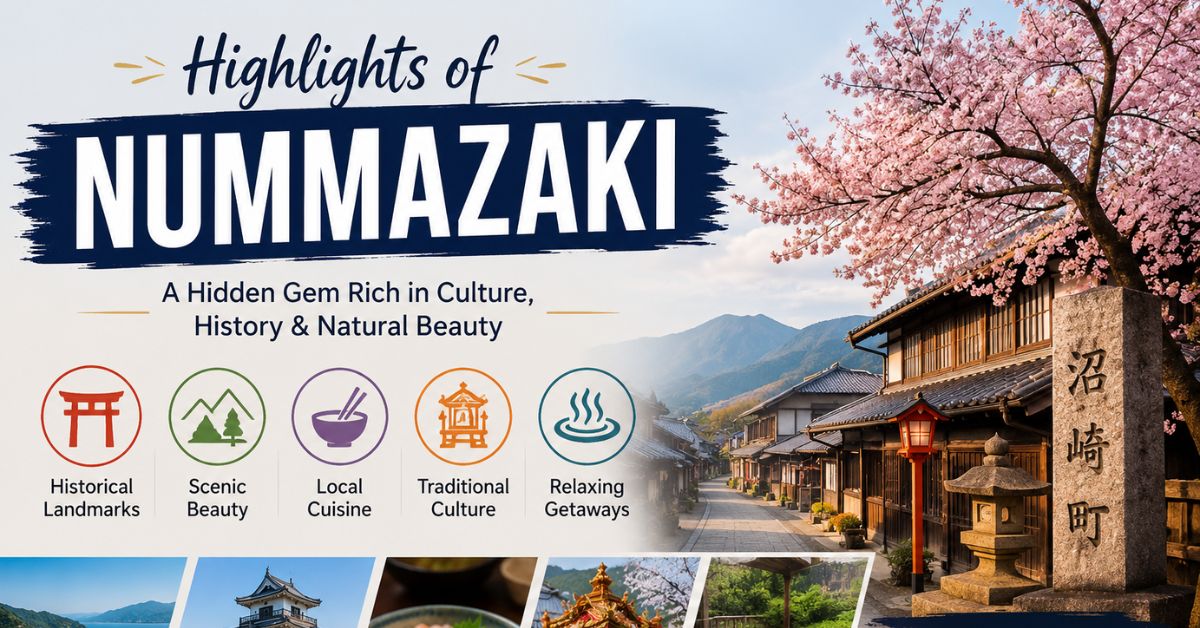
Most travelers picture Japan through Tokyo’s bright streets or Kyoto’s quiet temples. Few think about its coastline. Nummazaki Japan changes that picture completely. This small stretch along Shizuoka Prefecture hides some of the country’s best ocean views, and almost nobody talks about it. Highlights of Nummazaki You get cliffs, clean water, fresh fish, and a slower pace of life. This Nummazaki travel guide walks you through everything you need for a trip in 2026, from the best beaches to the tastiest bowl of rice you’ll ever eat by the sea.
What Is Nummazaki? An Overview

Nummazaki sits along the coast near Suruga Bay, tucked into a quiet corner of Japan that most tourists skip. It’s not a big city. It’s a Nummazaki coastal destination built around fishing boats, rocky cliffs, and small family-run shops. The pace here feels different. Nobody rushes. You walk slower, eat slower, and somehow leave feeling like you actually rested.
What makes this place worth your time isn’t one single landmark. It’s the whole package. You get Nummazaki nature at its rawest, paired with Nummazaki seafood so fresh it practically jumps onto your plate. Add in a handful of Nummazaki tourist spots that rarely show up on travel blogs, and you’ve got a destination that feels like a secret you’re lucky to know.
Where Is Nummazaki Located?
You’ll find this hidden coastal paradise Japan offers within Shizuoka, close enough to Mount Fuji that clear mornings give you a direct view of the mountain from the shoreline. It sits along the Pacific coastline, right beside the deep waters of Suruga Bay.
Quick Facts About Nummazaki
| Feature | Details |
| Region | Shizuoka Prefecture |
| Nearby Water Body | Suruga Bay |
| Best Known For | Coastal scenery, fresh seafood |
| Popular Activities | Hiking, diving, cycling, photography |
| Best Time to Visit | Spring and autumn |
| Ideal Trip Length | 1 to 3 days |
Why Travelers Are Discovering Nummazaki
More people want quiet trips now. They’re tired of crowded temples and packed train platforms. Word about this quiet places in Japan gem has started spreading through small travel forums and word of mouth. That’s usually how the best spots get found.
Why Nummazaki Is One of Japan’s Most Underrated Coastal Destinations
Popular places often lose their charm once everyone shows up. Nummazaki hasn’t faced that problem yet. You won’t find big resorts blocking the view here. Fishing still drives daily life, and locals still run most of the shops and restaurants. That keeps the whole area feeling real instead of staged for tourists.
This is genuinely one of the best hidden gems in Japan for anyone craving an authentic Japanese coastal experience. The Nummazaki coastline changes with the seasons, so even a return trip feels new. And unlike Kyoto or Hakone during peak season, you can actually find a quiet spot to sit and think here.
What Makes Nummazaki Unique?
Nature stays untouched, seafood arrives the same day it’s caught, and fishing remains a real job, not a tourist show. That combination is rare, even in Japan.
Who Should Visit Nummazaki?
Photographers will love the light here. Foodies will love the seafood. Divers, hikers, and anyone chasing a slow travel destination will feel right at home too.
History and Cultural Heritage of Nummazaki
Coastal life around Nummazaki goes back generations. Families built their homes near the water because the sea gave them everything they needed. Fishing wasn’t just work. It shaped how people ate, celebrated, and even prayed. That history still shows up today in the small shrines scattered along the shore and the wooden boats still docked in the harbor each morning.
This deep connection to the water created a distinct version of Japanese coastal culture. Traditions passed from parents to kids without much fanfare, just quiet repetition and patience. You’ll notice it in how locals move through their day, unhurried but purposeful, like people who’ve done this a thousand times before.
Historical Background
Fishing communities settled here because of the rich waters nearby. Over time, small villages grew into the coastal region you’ll visit today.
Local Traditions and Coastal Lifestyle
Daily rhythms still follow the tide. Boats leave before sunrise, and markets fill with fresh catch by mid-morning.
Natural Highlights of Nummazaki
The landscape does most of the talking here. Sharp coastal cliffs, deep blue water, and pine-covered hills create scenery that feels almost unreal in photos. You don’t need a guide to appreciate it either. Just walk toward the water and look.
This is where scenic coastal Japan really earns its reputation. Every ocean viewpoint along this stretch offers something slightly different, whether it’s jagged rock formations or a wide, open horizon. Even people who don’t usually care about scenery tend to stop and stare here.
Rugged Coastal Cliffs
Waves have carved these cliffs over centuries. Highlights of Nummazaki The result is dramatic, uneven rock that looks like art nobody planned.
Read More About : Hannah Hampton Partner: Is the England Goalkeeper in a Relationship? (Complete Guide 2026)
Panoramic Ocean Views
Several lookout points give you uninterrupted views across the water, Highlights of Nummazaki especially during early morning or late afternoon light.
Geological Significance
This region sits in a geologically active zone. Highlights of Nummazaki Volcanic activity and tectonic shifts shaped the land you’re walking on.
Suruga Bay: The Natural Wonder Beside Nummazaki
You can’t talk about this coast without talking about Suruga Bay. Highlights of Nummazaki It’s the deepest bay in Japan, reaching past 2,500 meters at its lowest point. That depth changes everything, from the fish that live here to the way the water looks on a calm day.
Because deep ocean water sits so close to shore, marine biodiversity here is unusually rich. Tuna, mackerel, squid, and sea bream all swim in these waters, and that abundance directly shapes the food you’ll eat during your trip. On quiet mornings, the bay looks almost like glass, reflecting the sky back at you.
Why Suruga Bay Is Famous
Its extreme depth makes it one of the most unique bays in the world, Highlights of Nummazaki drawing researchers and divers alike.
Marine Biodiversity
Tuna, squid, sea bream, and deep-sea species all call this bay home, Highlights of Nummazaki creating one of Japan’s richest fishing grounds.
Scenic Coastal Landscapes
Calm weather turns the bay into a mirror. Boats drift across it like they’re floating on the sky itself.
Best Places to Visit in Nummazaki

If you only have time for a few stops, these are the ones that matter most. Each spot on this list offers a different angle on what makes Nummazaki special, whether it’s the view, the history, or just the quiet.
These Nummazaki attractions don’t need long lines or entrance fees to impress you. Highlights of Nummazaki Most of them are free, open-air, and easy to reach on foot or by bike.
Cape Ose (Osezaki)
Osezaki (Cape Ose) stretches dramatically into the bay and gives you some of the clearest Mount Fuji views in the whole region.
Senbon Matsubara Pine Grove
This historic pine forest runs along the coast, Highlights of Nummazaki mixing deep green trees against bright blue water in a way that feels almost painted.
Coastal Observation Decks
Smaller, lesser-known lookout spots dot the shoreline. Locals often prefer these over the famous ones.
Hidden Scenic Spots
Ask around, and you’ll find quiet corners that never made it into any guidebook.
Beaches and Waterfront Attractions
Not every traveler wants adventure. Highlights of Nummazaki Some just want a beach chair and a good view. Nummazaki delivers that too, with several stretches of shoreline that stay peaceful even during busy travel months.
These Nummazaki beaches range from wide, open sand to small, Highlights of Nummazaki rocky coves. Families, couples, and solo travelers all find something that fits their pace here.
Quiet Beaches
Several stretches stay nearly empty, even in summer, giving you space to actually relax.
Family-Friendly Beaches
Calmer waters near the main harbor make these sections safer and easier for kids.
Best Photography Locations
Waterfront spots here combine mountains, sea, and sky in one frame,Highlights of Nummazaki perfect for anyone chasing that ideal shot.
Marine Life and Underwater Experiences
Under the surface, this coast gets even more interesting. Highlights of Nummazaki Divers travel from across Japan just to explore these waters, and it’s easy to see why once you’re in.
Scuba diving conditions here rank among the best in the region, thanks to clear water and healthy reef systems. Even casual snorkeling trips during warmer months reveal colorful fish and unusual underwater terrain most visitors never expect from Japan’s coastline.
Diving in Nummazaki
Deep water close to shore creates ideal diving conditions, with visibility that surprises most first-time visitors.
Snorkeling Opportunities
Warmer months bring clear water and calm waves, Highlights of Nummazaki perfect for beginners trying it for the first time.
Seasonal Marine Wildlife
| Season | Marine Highlights |
| Spring | Active fish populations |
| Summer | Warm water, high visibility |
| Autumn | Excellent underwater visibility |
| Winter | Deep-water species sightings |
Best Things to Do in Nummazaki

Beyond the views and the water, there’s plenty to keep you busy here. Highlights of Nummazaki Whether you like moving fast or slow, this coast has an activity that fits.
Nummazaki hiking trails wind along cliffs and through forest, while quieter options like cycling and kayaking let you explore at your own pace. Recreational fishing trips also give you a hands-on taste of the culture that built this town.
Coastal Hiking
Trails follow the cliffside, mixing forest paths with wide-open ocean views the whole way through.
Cycling Routes
Quiet roads and light traffic Highlights of Nummazaki make this one of the more relaxing places to cycle in Japan.
Kayaking Adventures
Paddling close to the rocks gives you a completely different view of the coast than walking does.
Recreational Fishing
Local operators offer short trips out into the bay, no experience required.
Shopping for Local Souvenirs
Small shops near the harbor sell dried seafood, local crafts, Highlights of Nummazaki and snacks you won’t find anywhere else.
Local Fishing Culture and Traditions
Fishing isn’t a tourist attraction here. It’s how the town actually runs. Boats leave before dawn, and by the time most visitors wake up, the day’s catch is already sitting in the market.
This working Nummazaki fishing village atmosphere gives the whole area its character. Knowledge passes down through families, from grandparents teaching grandkids how to read the water. It’s one of the last places where traditional fishing culture still shapes daily life instead of just decorating it for photos.
Traditional Fishing Practices
Techniques passed through generations still guide how locals fish these waters today.
Daily Life in Coastal Communities
Small harbors, working boats, and family-run shops define what a normal day looks like here.
Shrines, Temples, and Cultural Attractions
Spiritual life runs deep along this coast. Small shrines sit near the water, built by fishing families who prayed for safe trips and good catches. These aren’t grand tourist landmarks. They’re personal, quiet, and still in use today.
Walking past these cultural landmarks, you’ll notice details in the wood carving and stonework that took real skill to build. They tell you as much about this region’s history as any museum could.
Historic Seaside Shrines
Local families historically prayed here for safety at sea and strong fishing seasons.
Traditional Japanese Architecture
Wooden gates, stone paths, and old shrine structures give you a glimpse into centuries-old design.
Food and Local Cuisine in Nummazaki
If you love seafood, this trip might ruin every other seafood meal for you. Nummazaki seafood comes straight from the boats, often the same morning you eat it. That kind of freshness is hard to find anywhere else, even in bigger Japanese cities.
Beyond fish, the region also grows citrus and green tea, adding balance to an already rich food scene. Whether you’re eating fresh sashimi at a tiny counter or trying seafood rice bowls at a harbor-side stall, the quality speaks for itself.
Read More About : Milohacherry Coin: Complete Guide to Features, Tokenomics, Use Cases & Investment Outlook (2026)
Fresh Seafood Specialties
Sashimi, grilled fish, and rice bowls topped with the day’s catch dominate local menus.
Regional Produce
Citrus fruits, green tea, and seasonal vegetables round out the area’s food identity.
Traditional Japanese Snacks
Small local sweets, often made with regional ingredients, give you a tasty way to explore the culture.
Must-Try Local Dishes
| Course | Example |
| Starter | Seasonal seafood appetizer |
| Main | Fresh sashimi platter |
| Side | Local vegetables |
| Soup | Miso soup |
| Dessert | Seasonal fruit |
Hot Springs and Wellness Experiences
After a full day outdoors, nothing beats a hot soak. Japanese onsen culture pairs perfectly with coastal travel, giving you a place to unwind after hiking cliffs or paddling through the bay.
These baths aren’t just relaxing, they’re part of a much older wellness tradition. Mineral-rich water, quiet surroundings, and warm hospitality combine to make this one of the more restorative stops on your trip, especially if you’re building a coastal wellness retreat into your itinerary.
Best Onsen Near Nummazaki
Several nearby bathhouses offer scenic views alongside their mineral baths, some overlooking the bay itself.
Health and Relaxation Benefits
Regular soaking can ease muscle tension and lower stress, especially after a long day of walking.
Best Time to Visit Nummazaki
Every season here brings something different, so timing your trip depends on what you want to see. Spring brings mild weather and blooming color, while winter offers the clearest mountain views of the year.
If your trip lines up with cherry blossom season, you’ll get soft pink color against the blue water. Visit during autumn foliage instead, and you’ll catch sharp, clear skies perfect for photography. Winter, meanwhile, brings the best winter Fuji views of the entire year.
Spring
Mild temperatures and blooming scenery make this a great season for hiking and sightseeing.
Summer
Warm water and longer days make summer ideal for swimming and water sports.
Autumn
Cool air and clear skies make this the top season for photography and cycling.
Winter
Cold, clear mornings often give you the sharpest views of Mount Fuji all year.
Seasonal Comparison Guide
| Season | Weather | Crowds | Recommended Activities |
| Spring | Mild | Moderate | Hiking, sightseeing |
| Summer | Warm | Higher | Water sports |
| Autumn | Comfortable | Moderate | Photography, cycling |
| Winter | Cool | Low | Fuji views, seafood |
How to Get to Nummazaki
Getting here isn’t complicated, even for first-time visitors. Japan’s train system makes reaching Shizuoka simple, and from there, local transport connects you straight to the coast.
Travelers coming from Shizuoka travel hubs like Tokyo or Osaka can rely on the Shinkansen for most of the journey. From there, a short local train or bus ride gets you the rest of the way to this quiet stretch of shoreline.
From Tokyo
The Shinkansen gets you to Shizuoka quickly, with local transit covering the final stretch to the coast.
From Osaka and Kyoto
High-speed rail connects both cities efficiently, though total travel time depends on your exact route.
Should You Rent a Car?
Renting a car gives you the most flexibility, especially for reaching remote viewpoints public transit can’t easily reach.
Getting Around Nummazaki
Once you’ve arrived, getting around is fairly easy. Most major attractions sit close enough together that walking or cycling covers a lot of ground without much trouble.
For anyone planning several stops in one day, a rental car still offers the most freedom. But local buses and bike rentals work just fine if you’re taking things slow, which honestly fits the spirit of this peaceful seaside escape anyway.
Public Transportation
Local buses connect most of the major attractions, though schedules can be limited outside peak season.
Walking Around the Coast
Many spots sit close enough together that walking remains one of the easiest ways to explore.
Cycling
Bike rentals are widely available and make for an enjoyable, low-effort way to see the coast.
Rental Cars
Driving yourself opens up access to more remote, hard-to-reach viewpoints.
Where to Stay Near Nummazaki
Accommodation here ranges from traditional to modern, so you’ll find something regardless of budget. Nummazaki accommodation options include everything from centuries-old inns to simple, affordable guesthouses.
A traditional ryokan gives you tatami floors, local meals, and a genuine taste of Japanese hospitality. If comfort matters more to you, seaside Nummazaki hotels offer modern amenities with ocean views built right in.
Traditional Ryokan
Tatami rooms, home-cooked meals, and traditional hospitality make ryokan stays memorable for most visitors.
Seaside Hotels
Comfort-focused travelers will appreciate the ocean views and modern conveniences these hotels provide.
Budget Guesthouses
Independent travelers on tighter budgets will find plenty of affordable, comfortable options nearby.
Best Accommodation for Every Budget
| Type | Best For | Budget |
| Ryokan | Cultural experiences | Moderate to High |
| Hotel | Convenience | Moderate |
| Guesthouse | Budget travelers | Low |
| Resort | Luxury stays | High |
Suggested Nummazaki Travel Itineraries
Not sure how long to stay? It depends on your travel style. A single day covers the highlights, while a longer trip lets you slow down and actually soak everything in.
This flexible Nummazaki travel itinerary works whether you’re squeezing in a Nummazaki day trip or planning a full Nummazaki weekend getaway.
One-Day Itinerary
Start your morning exploring Cape Ose before heading to a coastal trail for a scenic walk. Grab fresh seafood for lunch, then spend your afternoon wandering the shoreline. End your day watching the sunset over Suruga Bay, followed by a relaxing soak in a nearby onsen.
Two-Day Itinerary
Spend your first day covering major scenic spots and enjoying local seafood dinners. Use your second day for hiking, photography, and wandering through smaller fishing villages at a slower pace.
Three-Day Slow Travel Plan
A longer stay lets you dig deeper into fishing culture, local cuisine, and hidden viewpoints most visitors never find.
Photography Guide to Nummazaki
Photographers tend to fall in love with this coast fast. Morning light hits the cliffs in a way that feels almost cinematic, and sunsets over the bay rarely disappoint.
For anyone chasing the perfect shot of Mount Fuji, timing matters more than gear. Clear winter mornings almost always beat any other season for capturing that iconic mountain silhouette against the coastline.
Best Sunrise Photography Spots
Eastern-facing viewpoints catch dramatic morning light, especially during autumn and winter months.
Best Sunset Photography Spots
Coastal cliffs create striking silhouettes as the sun drops behind the water.
Photographing Mount Fuji
Winter mornings typically offer the clearest, sharpest views of the mountain from the coastline.
Photography Tips
Arrive early, bring a tripod, and always check the weather forecast before heading out.
Responsible Travel in Nummazaki
This coast has stayed beautiful because people have treated it with care. Keeping it that way means traveling thoughtfully, staying on marked trails, and avoiding unnecessary waste.
Sustainable coastal tourism matters here more than in bigger, more resilient destinations. Supporting small, local businesses instead of large chains helps keep this region’s character intact for the next generation of travelers.
Sustainable Travel Tips
Stick to marked trails, avoid disturbing wildlife, and pack out anything you bring in.
Supporting Local Businesses
Choosing local restaurants and shops keeps money circulating through the community that makes this place special.
Common Travel Mistakes to Avoid
A few small mistakes can easily ruin an otherwise great trip. Most of them are avoidable with a little planning ahead of time.
Coastal weather shifts quickly here, so checking forecasts matters more than you’d think. Rushing through in a single afternoon also tends to backfire, since this destination genuinely rewards a slower pace.
Ignoring Weather Forecasts
Coastal conditions can change fast, so always check before heading out for hikes or boat trips.
Visiting Too Quickly
Rushing through in one day means missing the quieter spots that make this place special.
Poor Transportation Planning
Research bus and train schedules ahead of time to avoid getting stuck without a ride.
Missing Seasonal Attractions
Each season offers something different, so timing your visit matters more than people expect.
Is Nummazaki Worth Visiting?
Absolutely, and it’s not close. Between the scenery, the food, and the culture, this coast delivers an experience that’s hard to find anywhere else in Japan right now. It still feels genuine, mostly because it hasn’t been overrun by tourism yet.
For anyone craving an off-the-beaten-path Japan adventure, this destination checks every box. Natural beauty, real culture, and incredible food combine into a trip that actually stays with you.
Frequently Asked Questions
What is Nummazaki known for?
It’s known for dramatic coastal scenery, Suruga Bay views, fresh seafood, and a strong fishing tradition.
Is Nummazaki worth visiting in 2026?
Yes. It remains one of Japan’s most Highlights of Nummazaki underrated coastal destinations, with excellent nature and culture to explore.
How many days should you spend in Nummazaki?
One day covers the highlights,Highlights of Nummazaki but two to three days gives you a much richer experience.
Can you visit Nummazaki without a car?
Yes, though renting one gives you easier access to more remote viewpoints.
Is Nummazaki family-friendly?
Very much so. Calm beaches, easy walking trails, and casual dining make it a solid choice for families.
Conclusion
Japan has no shortage of famous destinations, but this coast still flies under the radar. Highlights of Nummazaki That’s exactly what makes it worth visiting now, before more people catch on. Between the cliffs, the seafood, and the quiet fishing villages, Nummazaki offers a version of Japan that feels rare these days: real, unhurried, and genuinely beautiful.
