

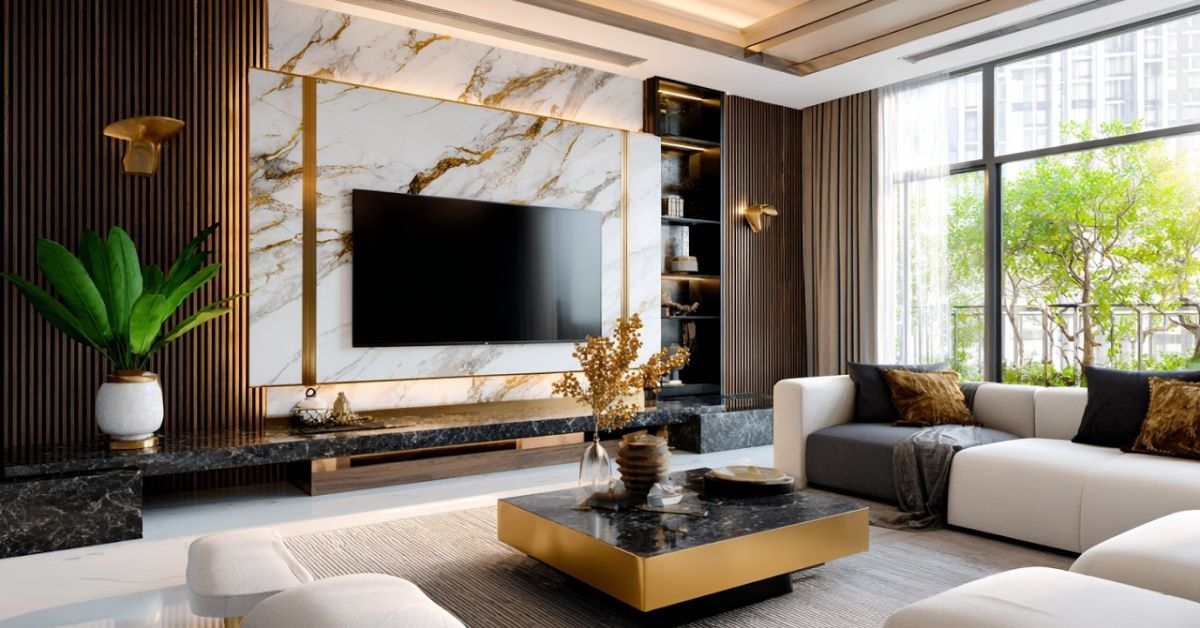
Your walls are talking. The question is what are they saying? A blank wall isn’t just an empty space. It’s a missed opportunity to express who you are. The right living room wall decor can completely change how a room feels. It can make a small space feel grand. It can turn a plain rental into something warm and personal. It can take a builder-grade box and make it look like a designer showcase.
Americans spend billions on home decor every year. Yet the walls, the largest surface in any room, are often the last thing people think about. This article changes that. Here you’ll find 35 stylish living room wall decor ideas that work for every budget, every style, and every space. Whether you’re dealing with a sprawling open-plan living room or a cozy studio apartment, there’s a strategy here that fits. Let’s get into it.
Best Living Room Wall Decor Ideas for Every Style

Great living room wall decor starts with knowing your personal style. Before you buy a single frame or pick up a paintbrush, take an honest look at your space. What furniture do you have? What colors already exist in the room? What feeling do you want to walk into every day? Your walls should answer those questions visually. The living room wall design ideas you choose should feel like an extension of you not a showroom you wandered into.
The good news is that there’s no single “right” approach to home interior styling. Modern, traditional, minimalist, bohemian every aesthetic has a wall decor language. The table below gives you a quick snapshot of how different styles translate to wall choices. Use it as a starting point, not a rulebook.
| Style | Key Visual Elements | Best Wall Decor Choices |
| Modern | Clean lines, bold contrast, minimal clutter | Oversized abstract canvas, metal wall sculptures |
| Traditional | Symmetry, warm tones, rich textures | Framed oil prints, ornate gilded mirrors |
| Minimalist | Negative space, restraint, intention | Single statement piece, subtle natural textures |
| Bohemian | Layered, eclectic, globally influenced | Tapestries, macramé, mixed gallery walls |
| Farmhouse | Rustic warmth, natural materials, cozy | Shiplap panels, vintage signs, neutral palettes |
| Contemporary | Current trends, mixed materials, dynamic | Bold wallpaper, textured finishes, sculptural art |
Modern Living Room Wall Decor Ideas
Modern living room decor in 2026 isn’t cold or sterile. That old idea of modern all glass and gray and nothing personal is gone. Today’s modern aesthetic is warm, layered, and deeply intentional. Think bold geometric prints paired with soft natural textures. Think abstract canvas in terracotta and warm white. Think metal wall sculptures with organic, flowing shapes instead of rigid angles. Modern wall decor ideas lean into contrasting dark walls with light art, or light walls with dramatic dark frames.
Color palettes driving modern living room aesthetics right now include charcoal, warm white, sage green, dusty terracotta, and deep slate blue. Frames in modern spaces tend to be thin and uniform either all black, all natural wood, or all brushed brass. One oversized piece almost always beats a cluttered arrangement in a modern living room. If you’re drawn to a contemporary living room design, the single most impactful thing you can do is buy one large, bold piece of art and hang it correctly. Everything else flows from there.
Traditional and Timeless Wall Decor Ideas
Traditional wall decorations for living rooms have survived every trend cycle for a reason they’re grounded in proportion, symmetry, and craftsmanship. A traditional living room wall typically features a large framed mirror or oil-style painting as its centerpiece, flanked by symmetrical sconces or smaller framed prints. The arrangements are balanced. The colors are rich. The overall feeling is one of permanence and intention. Framed artwork in gilded or dark wood frames, botanical prints, and portrait-style paintings all thrive in this aesthetic.
Color palettes that anchor traditional living room wall decor ideas include deep navy, burgundy, hunter green, ivory, and warm cream. One of the most effective tricks in traditional decorating is mixing antique frames with updated art; it gives a classic look a fresh edge without losing its soul. Traditional styles also pair beautifully with architectural details like crown molding, wainscoting, and picture rails. If your home has these features, lean into them. Let the architecture lead and let your framed artwork support it.
Minimalist Living Room Wall Decor
Minimalism gets misunderstood constantly. People think it means bare. It doesn’t. Minimalist living room design means intentional. Every object earns its place. Every piece on the wall has a reason to be there. In a minimalist space, the art of editing is as important as the art of choosing. One carefully selected piece of wall decor will always outperform ten random ones. The wall breathes. The eye rests. The room feels calm and purposeful which is exactly the point.
Wall art ideas for minimalist spaces lean toward line drawings, black-and-white photography, single ceramic wall sculptures, and subtle textile pieces in neutral tones. The frame matters enormously in minimalist decor; a thin, simple frame in black or natural wood reinforces the restraint of the overall look. Texture becomes the hero when color steps back. A plaster-effect wall behind a single piece of driftwood art says more than a gallery wall of twenty prints. If you’re building a minimalist living room, start by removing things, not adding them.
Read More About : Bedroom Wall Decor Ideas: 25 Stylish Ways to Transform Your Space
Wall Art for Living Room: Creative Ways to Make a Statement

Wall art for living room spaces is the single fastest way to inject personality into a home. It’s also one of the most misunderstood. People default to buying small prints and scattering them randomly. The result looks uncertain. Decorating empty walls with intention requires a strategy and the three most effective strategies are oversized single artwork, curated gallery walls, and layered art stacking. Each approach creates a completely different feeling in a room.
The living room focal point is almost always defined by wall art. Even in rooms with fireplaces or dramatic windows, a well-chosen piece of art on the right wall commands attention. According to the American Society of Interior Designers, art is one of the top three investments homeowners make when updating a living space. It’s not decorative fluff. It’s structural to how a room feels.
Oversized Artwork for Large Walls
One large piece of large wall art almost always beats many small ones on a big wall. This is one of the most reliable rules in interior design and one of the most frequently ignored. A single oversized canvas, photograph, or print creates a bold focal point that draws the eye immediately. It reads as confident. It says the person who chose it knows what they’re doing. Small art on a large wall, by contrast, looks lost and apologetic.
The sizing rule used by most professional designers: artwork should be roughly two-thirds the width of the furniture below it. For large living room wall decor, that typically means pieces that are 40 inches wide or larger. Hang the center of the piece at eye level roughly 57 to 60 inches from the floor. Good sources for affordable large-format art in the US include Society6, Minted, Desenio, and IKEA’s art section. Canvas prints from these platforms have improved dramatically in quality. You can find genuinely beautiful large pieces for under $150 if you know where to look.
Create a Gallery Wall That Looks Designer-Made
A well-executed gallery wall design is one of the most personal and visually rich things you can do with a living room wall. The key word is “well-executed.” A gallery wall that looks designer-made follows a system. One that looks like a random collection of impulse buys follows none. The difference is planning, and the planning happens before a single nail goes into the wall.
Start by choosing a unifying element. It could be a consistent frame finish all black, all gold, all natural wood. It could be a color palette for all black-and-white photography. It could be a theme for all botanical prints, all travel photos, all abstract art. Then lay the entire arrangement on the floor before committing anything to the wall. Trace each frame on kraft paper, cut it out, and tape the paper templates to the wall. Stand back. Adjust. Only then start nailing. Keeping spacing consistent two to three inches between frames is the standard. Mix orientations (some vertical, some horizontal) for a more organic feel. This approach to gallery wall inspiration turns an intimidating project into a manageable one.
Art Stacks and Layered Artwork
Art stacking is a newer, more relaxed alternative to the traditional hung gallery wall. Instead of nailing everything to the wall, you lean art against it on floating shelves, on narrow ledges, on the floor against the baseboard. Frames overlap slightly. Sizes vary dramatically. The effect is casual and editorial, like something from a designer living room photoshoot.
This approach works especially well in bohemian, eclectic, and modern farmhouse interiors. It’s also a gift for renters who can’t put holes in walls. Creative wall decor ideas like art stacking let you rearrange constantly without any commitment. Swap out pieces seasonally. Rotate in new finds from thrift stores or art fairs. The wall stays fresh and personal without a single tool.
Accent Wall Ideas That Instantly Elevate a Living Room
An accent wall is the design shortcut that actually delivers. Done right, it creates an instant focal point that anchors the entire room. Accent wall ideas don’t require a massive budget or a professional contractor. They require a clear choice: one wall, one strong treatment, executed well. The accent wall should be the wall your eye naturally travels to when you enter the room. In most living rooms, that’s the wall behind the sofa or the fireplace wall.
Accent wall decorating ideas span a huge range from a single coat of bold paint to full architectural treatments. The three most impactful and accessible approaches are painted walls, wallpaper, and geometric or patterned treatments. Each one creates a completely different mood. Each one can be done on a range of budgets.
Read More About : Kitchen Wall Decor: 35 Stylish Ideas to Transform Your Kitchen Walls
Painted Accent Walls
Paint is the lowest-commitment, highest-impact wall upgrade available. A single gallon of paint around $40 to $70 at most US hardware stores can completely transform a living room. Statement wall ideas built on paint work because they’re immediate, reversible, and infinitely customizable. The key is choosing the right color and the right wall.
Wall decor trends 2026 are pushing strongly toward deep, saturated tones for accent walls. Forest green, deep plum, warm clay, midnight blue, and rich ochre are all having a major moment in American living rooms right now. Benjamin Moore, Sherwin-Williams, and Behr are the three brands most trusted by US homeowners for living room paint. Always test a large swatch at least 12 by 12 inches before committing. Paint looks dramatically different under artificial evening light than it does in afternoon sun.
| Color | Mood It Creates | Best Paired With |
| Deep Navy | Sophisticated, grounded, dramatic | White trim, brass accents, warm wood |
| Terracotta | Earthy, warm, welcoming | Natural linen, rattan, cream furniture |
| Forest Green | Calm, organic, grounded | Dark wood, leather, botanical prints |
| Charcoal | Bold, modern, moody | Light furniture, concrete, chrome |
| Dusty Rose | Soft, romantic, contemporary | Blush textiles, gold frames, white walls |
Wallpaper Accent Walls
Wallpaper in 2026 bears almost no resemblance to the floral horrors of decades past. Today’s wallpaper designs are sophisticated, bold, and genuinely beautiful. More importantly, peel-and-stick options have made feature wall ideas accessible to renters and commitment-phobes everywhere. You can install a stunning botanical or geometric peel-and-stick wallpaper on a Saturday afternoon and remove it without a trace when you move out.
Interior design trends in the US are currently embracing maximalist wallpaper in living spaces, large-scale florals, abstract ink patterns, tropical prints, and grasscloth textures all feature prominently in the most-shared living room images on social media platforms. For more restrained tastes, linen-textured or subtle geometric wallpapers add depth without drama. Bold wallpaper works best when the rest of the room stays relatively calm. Think of it as the loudest person in the room everyone else should give them space to be heard. Great US sources for decorative wall panels and wallpaper include Anthropologie, Rifle Paper Co., Chasing Paper, and Brewster Home Fashions.
Geometric and Patterned Feature Walls
A geometric patterned wall is one of the most impressive DIY projects in home decor and one of the most affordable. Using painter’s tape and two paint colors, you can create a herringbone pattern, a diamond grid, a color-blocked geometric, or a sunburst design on any flat wall. The result looks intentional and high-end. The cost is usually under $30. Home decor inspiration doesn’t get more budget-friendly than this.
For those who prefer a more structural approach, 3D wall tile panels and wood slat panels are widely available at US home improvement stores and online retailers. These add actual physical texture and dimension to a wall something paint alone can’t achieve. Textured wall finishes in geometric patterns work particularly well in modern and contemporary living rooms where the aesthetic already leans toward clean lines and architectural interest. Keep the color palette simple when going geometric with two colors maximum. Contrast matters, but visual chaos doesn’t serve anyone.
Interior Wall Design for Living Room and Hall Spaces

Decorative wall panels and architectural surface treatments are the unsung heroes of living room design. While art and paint get most of the attention, it’s the surface of the wall itself, its texture, its material, its structure that creates the deepest sense of character. Interior wall design for living room spaces goes beyond what hangs on the walls. It’s about what the walls themselves are made of, or made to look like.
These treatments work equally well in connected hallways and entryways, which matters in open-plan American homes where the living room flows into other spaces. A consistent wall treatment wood paneling, for example, can create a visual thread that ties these connected spaces together beautifully.
Wood Paneling Designs
Wall paneling has staged a remarkable comeback. The dark, heavy wood paneling of 1970s basements has been completely reinvented. Today’s wall styling ideas using wood paneling are light, warm, and genuinely beautiful. Vertical slat panels in natural oak or walnut create a sophisticated backdrop that adds texture and warmth without overwhelming a space. Limewashed wood paneling painted in muted white or pale gray tones works in everything from coastal farmhouse to contemporary minimalist interiors.
Wood panels also offer a practical benefit most people don’t consider: they improve room acoustics. Hard surfaces bounce sound around. Wood absorbs and diffuses it. In open-plan living rooms that tend to echo, a wood-paneled feature wall makes the space feel quieter and more intimate. Decorative wall accents in wood are available as prefab panel systems from brands like Stikwood, Timberchic, and IKEA making installation a genuine DIY project for motivated homeowners.
Shiplap and Architectural Molding
Shiplap became a household word largely thanks to HGTV and the farmhouse design movement it championed. But the appeal goes beyond any trend: horizontal planks with a thin reveal between them create a rhythm and texture that plain drywall simply can’t match. Rustic wall decor built on shiplap feels warm, grounded, and human. It’s the visual equivalent of a deep exhale.
There are three main architectural wood treatments worth understanding: shiplap (horizontal planks with a thin gap), board-and-batten (vertical planks with flat strips over seams), and wainscoting (decorative paneling on the lower half of a wall). Each creates a different feeling. Shiplap is casual and cozy. Board-and-batten is more structured and formal. Wainscoting adds an old-world elegance that works beautifully in traditional and transitional living rooms. Paint any of them the same color as the surrounding wall for a sophisticated tonal effect that feels far more expensive than it is.
Modern Textured Wall Finishes
Textured wall finishes are having their biggest moment in years. Plaster, limewash, Venetian plaster, microcement, and Roman clay finishes are appearing in living rooms across the US from Brooklyn lofts to suburban family rooms in the Midwest. These finishes add a depth and dimension that no flat paint can replicate. They catch light differently throughout the day. They look alive in a way that conventional walls don’t.
Limewash is the current frontrunner in wall decor trends 2026. It has a soft, weathered, European quality that feels simultaneously ancient and completely current. Portola Paints’ Roman Clay product has become a favorite among US homeowners and interior designers for its ease of application and stunning results. These finishes are best applied to a single feature wall doing the entire room feel oppressive. Use them strategically, and they become the most talked-about element in your cozy living room design.
Wall Decor for Living Room Above the Sofa

The wall above the sofa is prime real estate. It’s the most-viewed wall in most living room layouts. Guests see it constantly. You see it every time you sit down. Yet it’s also one of the most neglected spaces in American homes either left completely bare or decorated with art that’s too small, too high, or simply wrong for the space. Getting this wall right changes the entire feeling of the room.
Wall art for living room placement above a sofa follows a few reliable rules. The total width of whatever you hang should be two-thirds to three-quarters the width of the sofa below it. The bottom of the lowest element should sit roughly eight to ten inches above the sofa back. Hanging art higher than this is the single most common decorating mistake in American homes; it creates a visual disconnect between the furniture and the wall.
Gallery Arrangements Above a Couch
A gallery arrangement above the sofa works best when it’s treated as a single cohesive unit rather than a collection of individual pieces. The eye should read the entire arrangement as one thing, not scan from piece to piece trying to make sense of it. Gallery wall inspiration for above-sofa arrangements typically involves a mix of frame sizes within a unified visual palette, same frame finish, similar tones, consistent spacing.
Decorative accessories for walls that work particularly well in above-sofa gallery arrangements include a mix of framed prints, small mirrors, and one or two three-dimensional elements like a small wall sconce or a ceramic wall piece. This variety of texture stops the arrangement from feeling flat. Always lay the arrangement on the floor first to test proportions before committing. It saves enormous frustration and a lot of unnecessary holes in the wall.
Mirrors and Statement Pieces

A single large mirror above a sofa is one of the most reliably beautiful choices in home interior styling. Mirrors do two jobs simultaneously: they act as a visual anchor for the wall and they bounce light around the room. In living rooms with limited natural light, a well-placed mirror can make a dramatic difference in how bright and open the space feels.
Wall mirror arrangement choices trending in 2026 include arch-shaped mirrors, oversized sunburst mirrors, irregular organic-shaped frames, and antiqued mercury glass. A round mirror above a rectangular sofa creates visual contrast that feels dynamic and intentional. For something beyond mirrors, oversized wall clocks, large macramé pieces, and single sculptural metal wall art all make powerful statement wall decor choices above a sofa. The rule of thumb: one strong, confident statement almost always beats multiple hesitant ones.
Floating Shelves Behind the Sofa
Floating shelves above a sofa solve two problems at once: they add wall hanging decor interest AND functional storage. Install them at least ten to twelve inches above the sofa back to avoid the awkward head-bumping scenario. Two or three shelves in a horizontal row creates a clean, modern look. Decorative shelving styled with a mix of books, small plants, candles, and sculptural objects brings warmth and personality to the wall without the commitment of hung art.
The rule of odd numbers is your friend on styled shelves. Groups of three or five objects always look more curated than even-numbered groupings. Vary the height of objects dramatically a tall vase next to a short candle next to a medium-sized plant. This variation creates the visual rhythm that makes a shelf look styled rather than just loaded. Floating shelves from IKEA, Amazon, or custom woodworkers on Etsy are all solid options depending on your budget and aesthetic.
Fireplace Wall Decor Ideas
The fireplace wall is the natural focal point of most living rooms, the place the eye goes first and returns to most often. How you style this wall has an outsized effect on the entire room. A neglected fireplace wall makes even well-furnished rooms feel unfinished. A well-styled one anchors everything around it and gives the room a clear center of gravity.
Living room focal point design around a fireplace involves three distinct zones: the mantel itself, the wall space above and around the fireplace opening, and any flanking wall space. Each zone deserves individual attention. Together, they create a cohesive feature wall that can be genuinely spectacular.
Mantel Styling Ideas
The mantel is one of the most enjoyable styling challenges in home decor inspiration. Done well, it looks effortless. Done poorly, it looks like a random collection of objects waiting to be put away. The classic mantel formula that designers return to again and again: one large anchor piece (a mirror, a painting, or an oversized print) centered above the mantel, two flanking objects of varying but similar height on each end, and smaller layered pieces in front. This creates depth, balance, and visual interest simultaneously.
Personalized wall decor on mantels often takes the form of family photos, meaningful objects, and seasonal elements that change throughout the year. Americans particularly love dressing in mantels for holidays. It’s one of the most-searched home decor topics in the weeks before Thanksgiving and Christmas. The biggest mantel mistake is too much symmetry. Perfect mirroring looks staged. Slight asymmetry: one taller element on the left, a slightly different configuration on the right feels curated and lived-in.
Built-In Shelving Around a Fireplace
Built-in shelving flanking a fireplace is one of the most requested home renovations in the United States and for good reason. It frames the fireplace beautifully, dramatically increases storage, and adds perceived value to any home. The classic “flanking bookcase” look has appeared in American living rooms for over a century. It works because it turns the fireplace from a single focal point into an entire feature wall.
Decorating empty walls around a fireplace with built-ins doesn’t have to involve a major renovation. IKEA’s BILLY bookcase range, fitted with custom trim and painted the same color as the surrounding wall, can achieve a remarkably convincing built-in look for a fraction of the custom price. This “IKEA hack” approach is one of the most widely shared living room makeover ideas in US home decor communities online. The paint is key; that seamless color match between the shelving and the wall is what makes it read as built-in rather than furniture.
Tile Fireplace Feature Walls
Replacing dated brick or plain drywall around a fireplace surround with decorative tile is one of the highest-impact renovations a living room can undergo. The tile doesn’t have to stop at the fireplace surround; extending it floor-to-ceiling on the fireplace wall creates a dramatic feature that becomes the undeniable star of the room.
Trending tile choices for luxury wall decor around fireplaces include zellige (handmade Moroccan tile with an irregular, luminous surface), large-format marble-look porcelain, classic white subway tile in running bond or herringbone patterns, and graphic cement tiles in bold geometric designs. If the rest of your living room is colorful and busy, keep the tile neutral and textural. If the room is calm and restrained, the fireplace tile wall is the perfect place to introduce a bold pattern or rich color.
Different Wall Designs for Living Room Spaces

Some of the most characterful living rooms lean into raw, natural, and unexpected wall materials. Beyond paint and wallpaper, there are material-driven wall treatments that bring genuine texture, history, and personality to a space. These are the walls people remember long after they’ve left the room.
Wall styling ideas that work with natural and architectural materials tend to have an authenticity that manufactured finishes can’t fully replicate. They age beautifully. They tell a story. And in a sea of beige drywall, they make a living room genuinely unforgettable.
Exposed Brick Walls
Exposed brick is one of the most beloved wall features in American homes. It’s warm, textured, and deeply human. Brick has a history and it carries the impression of the hands that laid it. In a living room, an exposed brick wall creates an immediate sense of character and authenticity that no faux finish can fully replicate. It also pairs beautifully with almost every design style, from industrial to bohemian to contemporary.
If you have original brick that’s been covered with drywall or plaster, uncovering it is worth the exploration though it requires a professional assessment first, as not all covered brick is in condition to be exposed. Seal exposed brick with a matte sealant to prevent dust and crumbling while maintaining the natural look. Style around it with warm wood tones, leather furniture, Edison bulb lighting, and rustic wall decor elements that complement rather than compete with the brick’s natural character.
Read More About : Wall Decor for Living Room: 35 Stylish Ideas to Transform Your Space
Faux Brick and Stone Walls
For the vast majority of American homeowners who don’t have original exposed brick, faux brick and stone options have improved dramatically. Modern thin brick veneers, peel-and-stick faux brick panels, and faux stone overlays can look remarkably convincing particularly in photographs. They’re also significantly more affordable and easier to install than the real thing.
Empty wall solutions using faux brick or stone work beautifully in basements, rental apartments, and budget renovations where authentic materials aren’t an option. Paint faux brick panels in a limewash or whitewash technique for a softer, more European look. Popular US brands in this space include Fasade, NovaBrik, and American Panels. The key to making faux materials look convincing is in the finishing details grout color, sealant sheen level, and surrounding decor that reinforces rather than contradicts the look.
Decorative Tile Walls
Decorative tile isn’t only for fireplace surrounds and bathrooms. An accent tile wall in a living room perhaps behind a console table, flanking a doorway, or as a partial wall treatment in an open-plan space is a bold and genuinely beautiful design choice. Moroccan-inspired Zellige tiles, hand-painted Portuguese azulejo tiles, and graphic black-and-white cement tiles all translate powerfully to living room walls.
Contemporary wall decor using decorative tile is particularly effective in open-plan homes where the kitchen, dining, and living areas flow together. A tile accent wall creates a visual boundary and a design moment simultaneously. Peel-and-stick tile options exist for renters who want this look without the permanent commitment; quality has improved substantially in recent years, and many are convincingly realistic from a normal viewing distance.
Mirrors, Tapestries, and Decorative Wall Hangings
The soft side of living room wall decor mirrors, textiles, and sculptural hangings is where warmth and personality really take hold. These elements bring dimension, movement, and human touch to walls that might otherwise feel flat or impersonal. They’re also some of the most flexible and affordable decorative wall accents available.
Wall hanging decor in the form of mirrors, tapestries, and sculptural pieces works particularly well in living rooms that lack strong architectural character. When the bones of a room are plain, what hangs on the walls carries more weight. Choose these pieces thoughtfully and they become the personality of the space.
Decorative Mirrors as Focal Points
Wall mirrors are interior design’s most reliable multitaskers. They reflect light. They create depth. They make rooms feel larger. And they serve as stunning decorative objects in their own right. A well-chosen mirror doesn’t just hang on a wall it becomes part of the room’s visual architecture.
Wall mirror arrangement styles trending in 2026 include large arch-shaped mirrors, starburst and sunburst designs, irregular organic shapes that look almost sculpted, and antiqued or smoked mirror glass in traditional frames. The oldest and most effective designer trick with mirrors: position one directly across from a window. It doubles the natural light in the room and creates the impression of a second window, a visual trick that works in spaces of any size. Luxury wall decor doesn’t have to be expensive; a large arch mirror from HomeGoods or TJ Maxx can achieve the same effect as a designer piece at a fraction of the cost.
Vintage Tapestries and Textiles
Fabric on walls is a bold choice and a deeply rewarding one. Tapestries and textiles bring a warmth and acoustic softness that no hard surface can match. They move subtly in air currents. They carry color and pattern in a way that feels layered and organic. In cozy living room design, a large woven tapestry on a main wall can transform the entire emotional temperature of the space.
Living room decorating tips from interior designers consistently include the advice to consider scale when hanging textiles. A small tapestry on a large wall looks uncertain. Go big or use multiples. Large vintage rugs hung as wall art, a technique borrowed from traditional Moroccan and Persian interior traditions are one of the most dramatic and affordable statement moves available to American homeowners. Etsy vintage sellers, World Market, and local estate sales are excellent sources for beautiful, affordable textile wall art.
Unique Wall Hangings and Sculptural Decor
Flat art has its limits. Wall sculptures and three-dimensional wall hangings bring a physicality to living room walls that no print or painting can match. Ceramic wall sculptures, woven fiber art, driftwood installations, hammered metal wall pieces, and hand-thrown clay wall panels all create surfaces that interact with light and shadow throughout the day. They look different at noon than they do at dusk. They have presence.
Personalized wall art in sculptural form is a growing category in the US home decor market. Artisan makers on Etsy, at local craft fairs, and on platforms like Chairish create genuinely one-of-a-kind pieces that tell a specific story. A handmade ceramic wall panel, for example, carries the fingerprints of the person who made it literally. Mixing one sculptural piece with flat art in a gallery wall creates depth and visual interest that a flat-only arrangement can’t achieve.
Shelving and Functional Wall Decor Ideas

Decorative shelving sits at the intersection of beauty and utility and it’s one of the smartest investments you can make in a living room wall. Rather than treating storage and decor as separate problems, styled shelving solves both simultaneously. It gives you a place to display objects you love while keeping the room organized and visually interesting.
This approach is especially relevant for smaller American homes and apartments where floor space is limited. Every square foot of floor that a bookcase or storage unit would occupy can be freed up by moving storage to the wall. Built-in storage walls and floating shelf systems are among the most-requested renovations in US interior design consultations.
Floating Shelves for Display
Floating shelves are one of the most versatile wall decor for living room tools available. They can go anywhere, hold almost anything, and be styled in endless ways. The key to styled floating shelves that look intentional rather than cluttered is restraint. Limit each shelf to five to seven objects. Vary the heights dramatically. Mix books, plants, small framed art, candles, and sculptural objects. Leaving some breathing room in a negative space on a shelf is as important as the objects on it.
Home decor inspiration for floating shelf styling is everywhere on social media, but the underlying principle is always the same: create a small vignette on each shelf that has a clear visual anchor, a few supporting elements, and one unexpected object that adds personality. Invisible floating brackets which hide completely behind the shelf create the sleekest, most seamless look. Wood finish trends for floating shelves in 2026 include white oak, black walnut, painted white, and aged pine.
Built-In Storage Walls
A full built-in storage wall is the ultimate functional wall treatment. It’s also one of the highest-value additions to any living room both aesthetically and in terms of actual home value. The “entertainment wall” concept, a full built-in that incorporates a TV, surrounding shelving, closed cabinet storage below, and open display shelving above is one of the most requested living room renovations in the US.
Designer-approved wall decor consistently incorporates a mix of closed and open storage in built-in walls. The closed lower cabinets hide the inevitable mess of daily life remotes, charging cables, board games, throws. The open upper shelving displays the curated, beautiful elements. This combination gives you the visual pleasure of open shelving without the anxiety of having everything on display. For a budget-friendly version, combine IKEA BESTA units with custom-painted doors and added trim to create a remarkably convincing built-in look.
Bookcase and Library Walls
A floor-to-ceiling library wall is one of the most beloved living room features in American homes. It’s also deeply personal in a way that almost no other wall treatment can match. The books on your shelves tell a story about who you are, what you think about, what you care about. Luxury interior decor frequently features library walls precisely because they signal intellectual depth and a life fully lived.
Living room aesthetics built around a library wall tend to be warm, layered, and inviting. Color-coordinating books by spine color grouping reds together, blues together, neutrals together creates a visually striking effect that photographs beautifully. Breaking up books with plants, small framed art, and sculptural objects prevents the wall from feeling like a library rather than a living room. The rolling library ladder, where space allows, adds both function and a theatrical quality that never fails to delight visitors.
Budget-Friendly Living Room Wall Decor Ideas
Beautiful living room wall decor doesn’t require a large budget. Some of the most visually compelling living rooms in the US feature thrifted frames, DIY treatments, free printable art, and peel-and-stick solutions that cost almost nothing. The secret isn’t money it’s intentionality. A cheap print in a great frame always looks more expensive than an expensive print in a bad one. Editing matters as much as acquiring.
Budget-friendly wall decor is also more sustainable. Buying secondhand, repurposing existing objects, and choosing DIY solutions over retail ones all reduce waste and carbon footprint, a consideration that’s increasingly important to American consumers in 2026.
DIY Wall Decor Projects
Some of the most striking creative wall decor ideas cost under $50 to execute. A painted geometric accent wall using painter’s tape and two paint colors can look like the work of a professional muralist. A set of frames filled with fabric swatches or wallpaper samples creates a cohesive gallery wall for almost nothing. Dried botanical arrangements of branches, grasses, seed pods in simple clip frames are beautiful, organic, and essentially free.
Living room makeover ideas on a tight budget consistently point to DIY as the highest-impact approach. A homemade macramé wall hanging, a DIY shiplap wall using inexpensive furring strips from a hardware store, or a photo collage printed at Walgreens and arranged in thrifted frames can completely transform a living room wall. The key to DIY decor looking polished is consistency: pick one color palette and one style direction and execute everything within those constraints.
Affordable Wall Art Alternatives
Elegant wall decorations don’t require gallery prices. The US market for affordable wall art has expanded dramatically. Society6, Redbubble, and Desenio offer genuinely beautiful prints from independent artists at prices starting around $15. IKEA’s RIBBA frames paired with free printable art from Canva or Unsplash is one of the most widely recommended combinations in American home decor communities. Museum poster shops both online and in physical museum gift stores offer high-quality art reproductions at accessible prices.
Thrift stores and Goodwill are goldmines for framed artwork frames. Buy the frame, not the art. Strip out whatever was inside and replace it with a print you love. A $3 thrift store frame, sanded and spray-painted gold or black, is indistinguishable from a $60 retail frame in most contexts. Personalized wall art custom family photos printed as large-format prints is also consistently affordable, with many online print services offering canvas prints for under $40.
Decorating Rental-Friendly Walls
Approximately 44 million American households rent their homes. That’s a massive community of people who want beautiful walls but face the constraint of not being able to make permanent modifications. Accent wall decorating ideas for renters have expanded dramatically in the last few years, largely driven by improvements in removable adhesive products.
Command strips and hooks rated for heavier weights have genuinely improved some now hold up to 16 pounds, which covers most framed art. Peel-and-stick wallpaper on a single accent wall can be installed and removed cleanly. Art and mirrors can be leaned against walls on floating shelves rather than hung directly. Tension rod shelf systems require no drilling. Removable wall decals add personality without any permanent commitment. Living room decorating tips for renters consistently emphasize that beautiful walls are absolutely achievable it just requires choosing the right products and knowing the rules of the lease.
Small Living Room Wall Decor Ideas

Small living rooms actually benefit more from intentional wall decor, not less. When floor space is limited, the walls become the primary canvas for personality and style. The right wall decor can make a small room feel taller, wider, and more intentional. The wrong choices, too many small pieces, art hung too high, dark treatments with no reflective elements can make a compact room feel cramped and chaotic.
Small living room wall decor ideas focus on three primary strategies: using vertical orientation to create height, leveraging mirrors to expand perceived space, and choosing multi-functional wall storage that earns its place by doing more than one job.
Vertical Decorating Tricks
Vertical lines make rooms feel taller. This is one of the most reliable principles in interior design and one of the easiest to apply. In a small living room, choose tall narrow art over short wide art. Arrange gallery walls in a vertical column rather than a horizontal spread. Install floating shelves in a vertical stack rather than a horizontal row. Choose floor-to-ceiling curtains hung from ceiling height rather than window height. These choices consistently make rooms feel more spacious.
Wall art ideas for small living rooms should skew toward portrait orientation tall pieces rather than wide ones. A single tall piece of art in a 24-by-36-inch or larger format makes more visual impact in a compact room than a cluster of small pieces. Vertical stripes in wallpaper or paint whether bold and graphic or subtle and tonal reliably add the impression of height. It’s one of the oldest tricks in interior design and it works every single time.
Mirrors to Make Rooms Feel Larger
Wall mirrors are the small living room’s greatest ally. The reflective surface creates the illusion of depth the eye perceives additional space beyond the mirror, even when intellectually it knows that’s not the case. Position a large mirror on the wall directly across from a window and watch the room transform. The natural light doubles. The room appears to extend. The whole space feels more open and generous.
Decorating empty walls in small living rooms with mirrors requires one important caveat don’t use too many. One large mirror is powerful. Five small mirrors create visual noise and undermine the effect. In a compact living room, an oversized single mirror something 36 inches or taller will almost always outperform a curated collection of smaller ones. Arch mirrors are particularly effective in small spaces because their vertical orientation reinforces the sense of height.
Multi-Functional Wall Storage
In small living rooms, floor space is precious. Every square foot counts. Multi-functional wall decor for living rooms that stores, displays, and decorates simultaneously is the small-space decorator’s most powerful tool. Pegboards styled thoughtfully with a mix of hooks, small shelves, and decorative objects offer extraordinary flexibility. Magnetic wall systems allow objects to be rearranged constantly without damaging the wall.
Wall styling ideas for small spaces consistently prioritize vertical reach. Install shelving all the way to the ceiling the top shelves can hold objects used rarely, while lower shelves carry everyday items and decorative elements. Paint the shelving the same color as the wall so the storage blends in and feels intentional rather than utilitarian. IKEA’s SKÅDIS pegboard system and the String System shelving range are both beloved in the US small-space design community for their versatility and good looks.
Trending Living Room Wall Decor Ideas for 2026
Wall decor trends 2026 reflect something deeper than seasonal fashion. They reflect how Americans are thinking about their homes as places of comfort, self-expression, and genuine refuge. The three dominant trends this year aren’t about following what’s popular. They’re about connecting more authentically with the spaces we live in every day.
Contemporary wall decor in 2026 is moving away from the generic and toward the specific toward choices that feel personal, sustainable, and genuinely beautiful rather than simply on-trend. These three directions are the ones most worth paying attention to.
Color-Drenched Walls
Color drenching the practice of painting not just the walls but the ceiling, trim, and even some furniture in the same deep tone is one of the most dramatic accent wall ideas to cross from UK design into mainstream American living rooms this year. The effect is immersive and surprisingly cozy. Rather than making a room feel smaller, a deeply color-drenched space tends to feel more intentional, more curated, and more intimate.
Interior design trends in the US point toward rich burgundy, forest green, deep indigo, warm terracotta, and dusty plum as the most popular color-drenching choices for living rooms in 2026. Benjamin Moore’s and Sherwin-Williams’ color of the year selections for this year both lean toward warm, earthy depth, a clear indication of where the broader design culture is heading. If you’re considering a living room makeover, color drenching is one of the single boldest and most impactful choices available.
Organic Textures and Natural Materials
The move toward organic textures and natural materials in home interior styling reflects a broader cultural shift: a desire to bring the natural world inside, to surround ourselves with materials that feel honest and real. Limewash plaster walls, rattan wall panels, woven jute wall art, raw linen textiles, and unfinished clay finishes are all appearing with increasing frequency in the most admired American living rooms of 2026.
Textured wall finishes in natural materials pair beautifully with both minimalist and maximalist design approaches. A limewashed wall in a spare, minimal room feels meditative and calm. The same finish in a maximalist room layered with textiles, plants, and art feels rich and grounded. Natural textures have a flexibility that synthetic finishes lack. They work with almost everything because they’re essentially neutral; they carry the language of the physical world, which humans are hardwired to find beautiful and comforting.
Sustainable Wall Decor Choices
American consumers are increasingly making purchasing decisions based on environmental impact. In the wall decor space, this translates to a growing preference for reclaimed wood panels, vintage and secondhand art, plant-based wall dyes, cork wall tiles, and natural fiber wall hangings. Brands leading in luxury interior decor with a sustainable focus include The Citizenry, Parachute, and Ten Thousand Villages.
Personalized wall decor in sustainable materials tends to be uniquely beautiful precisely because of its material honesty. A wall panel made from reclaimed barn wood carries visible history nail holes, weathering, color variation that a new panel never has. A vintage textile wall hanging carries the craft of the person who made it. Buying secondhand art is simultaneously one of the most sustainable and most unique choices a homeowner can make. You’re unlikely to find the exact same piece anywhere else.
How to Choose the Right Wall Decor for Your Living Room

All the inspiration in the world doesn’t help if you can’t make a decision. How to decorate a living room wall comes down to a clear framework to match the scale to the room, balance the color and texture with what already exists, and avoid the most common mistakes. These three principles will serve you better than any single trend.
Living room decorating tips from professional designers consistently emphasize that the biggest decorating mistakes come from impatience buying something quickly without thinking about scale, or filling a wall with whatever’s available rather than waiting for what’s right. The right piece of wall art for the living room is worth waiting for.
Matching Decor to Room Size
Scale is the most important and most overlooked consideration in living room wall decor ideas. Art that’s too small on a large wall looks lost. Art that’s too large in a compact space feels oppressive. Getting the scale right is the single most impactful thing you can do to make wall decor look intentional.
| Room Size | Best Wall Decor Strategy |
| Under 150 sq ft | One large statement piece + one mirror |
| 150–300 sq ft | Gallery wall OR 2–3 medium pieces |
| 300–500 sq ft | Multiple arrangements, varied sizes |
| 500+ sq ft | Large-scale art, architectural treatments, built-ins |
When in doubt, go bigger. Almost every interior designer will tell you that their clients’ most common regret is choosing art that was too small. A piece that feels bold in a store often disappears on a living room wall.
Balancing Color and Texture
Best wall decor for living room spaces works with the existing color palette rather than against it. The 60-30-10 rule 60% dominant color, 30% secondary color, 10% accent applies to wall decor as much as it does to furniture and accessories. The wall decor should pull from the room’s existing palette, adding depth and interest without creating visual conflict.
Texture balance matters as much as color balance. A room full of smooth, glossy surfaces, leather sofa, lacquered coffee table, polished floor benefits enormously from rough, matte wall elements. Conversely, a heavily textured room (boucle sofa, jute rug, linen curtains) calls for cleaner, more restrained wall choices. Home decor inspiration that neglects texture balance often produces rooms that look visually flat even when the individual pieces are beautiful.
Common Wall Decorating Mistakes to Avoid
Stylish living room walls are as much about what you don’t do as what you do. These are the most common mistakes in American living room wall decor and the easiest to avoid once you know about them.
Hanging art too high is the single most universal mistake. Most people hang art at standing eye level. It should be hung at seated eye level roughly 57 to 60 inches from the floor to the center of the piece.
Going too small is the second most common error. A piece that seemed bold in the store disappears on a living room wall. When in doubt, buy the larger size.
Matching everything perfectly produces a room that feels staged rather than lived-in. A little visual tension, an antique frame next to a modern print, a rough texture next to a smooth one makes a room feel curated and genuine.
Ignoring lighting means beautiful wall decor goes invisible after dark. Add picture lights, directional track lighting, or wall sconces to activate your wall decor in the evening hours when you’re most likely to be using the space.
Overcrowding is the decorating equivalent of trying to say everything at once. Edit aggressively. Not every wall needs something on it.
Frequently Asked Questions
How Do I Decorate a Blank Living Room Wall?
Start by measuring the wall and identifying its relationship to the furniture in front of it. A blank wall isn’t a problem, it’s an opportunity. Choose one focal point strategy: a single large statement piece, a curated gallery wall, or an architectural treatment like shiplap or limewash plaster. If the wall is large, start with art that’s at least two-thirds the width of the furniture below it. Add picture lighting to activate the decor after dark. The fastest, most universally effective starting point for any blank living room wall is a large mirror or an oversized canvas both create immediate visual impact with minimal complexity.
What Wall Decor Looks Best Above a Couch?
The two-thirds rule applies here: whatever you hang above the sofa should span roughly two-thirds to three-quarters of the sofa’s width. Hang the bottom edge eight to ten inches above the sofa back. A horizontal gallery arrangement, a single large canvas, a wide mirror, or a trio of same-size prints in matching frames are all reliable choices. Avoid anything too small, too high, or with sharp or hard edges directly above seating. The scale of the art relative to the sofa is more important than the specific style of art chosen.
How Many Walls Should Be Decorated in a Living Room?
The general guidance from most interior designers is two to three walls in an average living room. One wall should serve as the clear focal point, typically the fireplace wall or the sofa wall. One or two supporting walls can carry lighter, complementary decor. At least one wall should remain relatively clean and simple; the eye needs a place to rest in any well-designed room. In very small living rooms, decorating just one feature wall and leaving the others simple is often the most effective approach.
Can I Mix Different Art Styles in One Room?
Absolutely and the best rooms usually do. The key is finding a unifying element that ties disparate pieces together. That element might be a consistent frame finish across all pieces, a shared color palette, or a similar scale. A vintage oil painting, a modern abstract print, and a black-and-white photograph can coexist beautifully if they’re all in the same frame finish and share warm undertones. Eclectic doesn’t mean random. It means intentional variety collected with a clear eye and edited with confidence.
What Are the Best Budget-Friendly Wall Decor Ideas?
The highest-impact budget options consistently include: a single large mirror from HomeGoods or TJ Maxx (exceptional quality-to-price ratio), thrift store frames with new art inside, peel-and-stick wallpaper on one accent wall, free printable art from Canva or Unsplash in IKEA RIBBA frames, a painted DIY geometric accent wall using painter’s tape, and family photos printed as large-format canvas prints through services like Shutterfly or Mpix. Paint remains the single most affordable and transformative wall treatment available: a gallon of quality paint and a weekend afternoon can completely reinvent a living room wall.
Conclusion
Your living room walls are the most underused design opportunity in your home. They’re also the most personal place where you can tell the story of who you are, what you love, and how you want to feel in the space where you spend so much of your life. Great living room wall decor isn’t about trends or budgets. It’s about intention. It’s about choosing things that matter to you, placing them with thought, and editing ruthlessly until what remains is exactly right.
Whether you start with a single oversized mirror above your sofa, a bold painted accent wall in deep forest green, or a carefully curated gallery wall built from thrift store frames and free printable art the starting point matters less than the commitment to starting. Pick one wall. Make one confident choice. Build from there. The best living room wall decor is the kind that makes you exhale every time you walk into the room. Your walls are waiting. Give them something worth looking at.
