

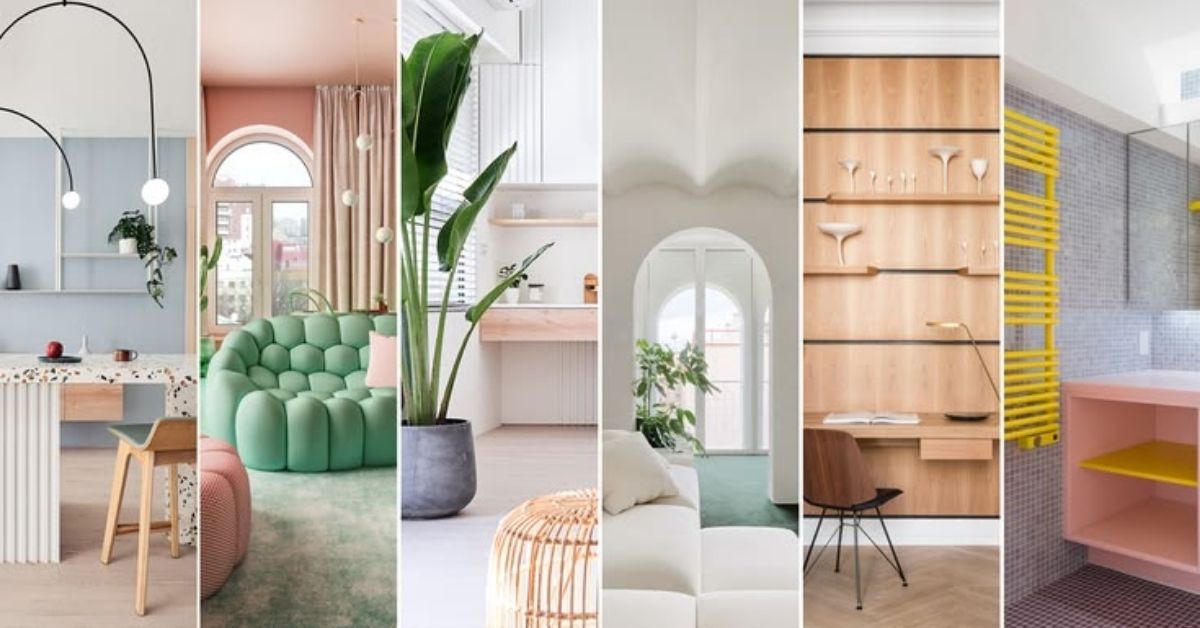
American homes are changing. Not in a dramatic, tear-it-all-down way. But in a quieter, more personal way that actually feels good. In 2026, the goal isn’t a perfect home. It’s a real one. Warm. Layered. Full of things that mean something to you. The cold, catalog-perfect interiors that dominated the 2010s? They’re fading fast. What’s replacing them feels a lot more human.
This guide covers every major interior design trend 2026 has brought to the table from kitchens and living rooms to backyards and bathrooms. Whether you’re planning a full renovation or just want to swap a few things out, you’ll find something here that speaks to your space and your budget. Let’s get into it.
What Are Interior Design Trends in 2026?

Interior design trends aren’t just for designers. They reflect how real people want to live. In 2026, those desires are clear: comfort over perfection, authenticity over aesthetics, and curated living spaces over cookie-cutter setups. A trend is simply a shift in collective taste and right now, American taste is moving toward warmth, texture, and intentionality.
What makes 2026 genuinely interesting is the tension at its core. On one side, you have a deep hunger for organic modern interiors spaces rooted in nature, calm, and simplicity. On the other, you have a bold maximalist revival that says more is more, and color is a form of self-expression. Both are winning. The best homes in 2026 know which side they’re on and commit to it fully.
| Trend Category | Key Theme | Who It Appeals To |
| Lived-In Interiors | Comfort over perfection | Families, renters, minimalists |
| Maximalist Lighting | Bold statement fixtures | Design-forward homeowners |
| Earthy Color Palettes | Warmth and groundedness | All demographics |
| Biophilic Design | Nature indoors | Wellness-focused buyers |
| Smart Home Integration | Invisible technology | Tech-savvy homeowners |
| Sustainable Decor | Eco-conscious choices | Millennial and Gen Z buyers |
Why Home Trends Change Every Year
Trends don’t appear out of nowhere. They grow from the way we’re actually living. After years of pandemic nesting, Americans rediscovered what home really means. It’s not a backdrop. It’s a refuge. That shift in mindset is still shaping interior decorating trends in 2026 pushing people toward spaces that genuinely restore them rather than just impress guests.
Economic realities matter too. Supply chain disruptions over the past few years pushed natural texture decor and domestically sourced materials into the spotlight. When imported goods got expensive or scarce, designers turned to what was local, sustainable, and lasting. That pivot stuck. Generational change plays a role as well. Millennials and Gen Z now dominate the homebuying market, and their aesthetic instincts shaped by home styling inspiration from TikTok, Pinterest, and design blogs are fundamentally different from their parents’.
How Social Media Influences Interior Design
Here’s the thing about social media: it has completely compressed the trend cycle. A home decor aesthetic that used to take three years to go mainstream now hits living rooms across America in three months. Think about how fast boucle furniture went from niche to everywhere. Or how arched doorways became the must-have architectural feature seemingly overnight. Platforms like TikTok and Pinterest didn’t just reflect taste, they manufactured it.
#HomeDecorTikTok has become a genuine design authority. Creators with millions of followers are shaping how Americans style their shelves, choose their paint colors, and arrange their furniture. Pinterest Predicts 2026 identifies emerging trends months before they peak and designers pay close attention. The downside? Faster trend cycles mean faster obsolescence. That’s exactly why so many homeowners are now pushing back toward timeless design aesthetics that won’t feel dated by next spring.
What Designers Predict for the Future of Interiors
Top designers across the country keep returning to the same themes: authenticity, longevity, and sensory richness. The future of interior design ideas isn’t about chasing the next viral moment. It’s about building spaces that feel genuinely personal and age beautifully. Leading voices at publications like Elle Decor and House Beautiful describe a collective fatigue with “trend-chasing” and a growing appetite for designer-inspired rooms that reflect the people who actually live in them.
The “anti-trend trend” is real. Some of the most respected designers in the USA are actively advising clients away from trend-driven decisions and toward transitional home decor that blends timeless bones with personal touches. The future of interiors, they argue, belongs to spaces that don’t announce what year they were designed. So what has 2026 actually delivered? A rich, layered mix of comfort, nature, boldness, and personality. Here’s every major trend, broken down.
The Top Interior Design Trends Defining 2026
This is the heart of the guide. Every major home decor trend of 2026 lives here organized by room, style, and category. Don’t treat these as rules. Treat them as ingredients. The best spaces pick a few and run with them confidently.
Interior decorating styles in 2026 are more fluid than ever. Boundaries between contemporary interior style and traditional interior design are blurring in fascinating ways. Homes that might have once committed rigidly to one aesthetic are now layering influences freely and the results are often stunning.
Lived-In Interiors Are Replacing Perfect Spaces
The showroom aesthetic is over. Americans want homes that look like someone actually lives there and loves living there. Lived-in interiors celebrate imperfection. They embrace worn leather, mismatched chairs, books left out on coffee tables, and walls that tell a story. It’s a direct reaction to the pressure of Instagram-perfect home content, and it feels like a collective exhale.
The quiet philosophy behind this shift is wabi-sabi, the Japanese concept of finding beauty in imperfection and transience. You don’t need to know the word to feel the idea. A patinated brass lamp that belonged to your grandmother. A wooden dining table with a small gouge in the corner. A sofa that’s been perfectly broken in. These things don’t diminish a space. In home design trends 2026, they define it.
Curved Furniture and Soft Shapes Continue to Dominate

Curves aren’t going anywhere. Round dining tables, arched mirrors, curved sofas, and organic-shaped coffee tables have been building momentum for a few years and in 2026, they’re fully mainstream. The shift makes psychological sense. After years of hard-edged, angular minimalist living spaces, people are drawn to shapes that feel softer and more welcoming.
Contemporary furniture design is leaning into this hard. Brands like CB2, West Elm, and Article are stocking curved silhouettes across every price point. The key to making curved furniture work is pairing it with earthy color palettes, warm bouclé, soft terracotta velvet, oatmeal linen. That combination of organic shape and warm tone creates something genuinely inviting. One caveat: curved pieces can feel crowded in very small rooms. Measure carefully and choose one hero curved piece rather than filling every corner.
Maximalist Lighting Is Having a Major Comeback
Lighting has officially graduated from afterthought to main character. In 2026, the light fixture is the design statement. Oversized chandeliers with organic, sculptural forms. Clusters of mismatched pendants hanging at varying heights. Floor lamps that look like contemporary art pieces. This is maximalist decor applied specifically to illumination and it works brilliantly.
The most popular fixture styles right now include rattan and woven pendants, smoked glass globes, and warm brass sculptural forms. Layering light sources ambient overhead, task-specific, and accent lighting creates depth and drama that no single fixture can achieve alone. Designers consistently say lighting is the highest-impact upgrade in any room. In room design inspiration terms, the right light fixture can completely transform a space without touching a single wall.
Textile Wall Hangings and Layered Texture Trends
Bare gallery walls are giving way to something far more tactile. Decorative wall ideas in 2026 lean heavily into natural texture decor, woven macramé hangings, large tapestries, fabric panels, and layered textile installations that add visual warmth and acoustic softness. This trend reflects the broader home decor aesthetic shift toward sensory richness: it’s not just about how a room looks, but how it feels.
The trick to doing textile walls well is the rule of three materials. Pick no more than three distinct textures and repeat them throughout the room. A jute wall hanging pairs beautifully with a wool throw and linen curtains. A woven tapestry works alongside rattan furniture and a sisal rug. This approach keeps eclectic home design from tipping into visual chaos and creates spaces that feel layered without feeling cluttered.
Really Big Art and Statement Decor Pieces
Bigger is better in 2026. One enormous piece of art, a large canvas, an oversized print, a sculptural wall installation anchors a room more powerfully than six smaller pieces ever could. Statement furniture pieces and bold decor objects are replacing the gallery wall approach that dominated the last decade. The visual logic is simple: scale creates confidence.
Budget doesn’t have to be a barrier here. Print-on-demand services, local artists, vintage poster shops, and even art student markets offer large-format pieces at accessible prices. One designer trick worth stealing: lean oversized art against the wall instead of hanging it. It looks effortlessly intentional and gives you flexibility to rearrange. Pair bold art with neutral color palettes and simple furniture so the piece has space to breathe.
Kitchen Design Trends for Modern Homes

The kitchen is the most renovated room in America and in 2026, it’s being pulled in two exciting directions simultaneously. One pulls toward warmth and naturalism: wood, stone, organic forms. The other pulls toward bold personality: dramatic color, statement tile, unexpected material combinations. The best modern interior design kitchens in 2026 manage to do both at once.
Kitchen design trends this year reflect the broader cultural moment perfectly. People are cooking more, gathering more, and spending more time in their kitchens than ever. The design is responding by making those spaces more beautiful, more functional, and more personal. The all-white, everything-hidden kitchen is quietly stepping aside.
Read More About :27 Home Office Organization Ideas That Actually Work in Real Spaces
Natural Wood Kitchens Are Everywhere in 2026
The all-white kitchen had a good run. But in 2026, warm natural wood cabinetry will take over. White oak, light maple, and rich walnut are the dominant tones bringing warmth, character, and a connection to rustic interior design principles into what was previously a sterile space. The effect is immediate. A wood-forward kitchen feels alive in a way that painted white cabinets simply don’t.
Mixing wood tones is perfectly acceptable in 2026 in fact, it’s encouraged. The key is keeping the undertones consistent. Warm-toned woods (honey oak, amber maple) work together. Cool-toned woods (ash, light birch) pair well with each other. Clashes happen when you mix warm and cool tones without intention. Pair natural wood cabinetry with matte black hardware or unlacquered brass fixtures for a combination that feels both grounded and current.
Kitchen Color Trends Designers Love This Year
White is stepping back and bold kitchen colors are stepping forward. Sage green is perhaps the most universally beloved kitchen color of 2026. It’s calming, beautiful in both natural and artificial light, and pairs effortlessly with wood and stone. Deep navy brings drama and sophistication. Terracotta tones add warmth and a Mediterranean sensibility. Warm off-whites creamy, buttery, slightly toasted are replacing the stark, cold whites of years past.
The two-tone kitchen is one of the most practical and visually compelling trends of the year. Dark lower cabinets (navy, forest green, charcoal) paired with lighter upper cabinets (cream, warm white, soft sage) creates visual depth and proportion. It also makes a kitchen feel deliberately designed rather than default. For paint, Benjamin Moore’s Advance line and Sherwin-Williams Emerald are the go-to choices for durability on cabinetry.
| Kitchen Color | Best Paired With | Mood It Creates |
| Sage Green | Wood tones, brass hardware | Calm, organic, timeless |
| Deep Navy | White countertops, chrome fixtures | Dramatic, sophisticated |
| Terracotta | Natural stone, warm wood | Warm, Mediterranean, earthy |
| Warm Off-White | Any metal, any wood | Versatile, soft, classic |
| Forest Green | Unlacquered brass, marble | Rich, grounded, luxurious |
Unfitted Kitchens vs Fitted Kitchens Explained
Most American kitchens are fitted kitchens built-in cabinetry that runs seamlessly along every wall, creating a unified, integrated look. It’s practical, maximizes storage, and photographs well. But unfitted kitchens are staging a serious comeback in design-forward American homes. An unfitted kitchen uses freestanding furniture, a butcher block island, a standalone pantry, open shelving on legs to create a space that feels more like a room and less like a machine.
The appeal is personality. Unfitted kitchens look like they evolved over time rather than being installed on a weekend. They’re easier to change, easier to take with you when you move, and often cheaper to put together. The smartest approach in 2026 is a hybrid: fitted cabinetry for appliances and the sink, unfitted elements for islands, pantries, and display. This gives you the practicality of fitted kitchens with the character of unfitted ones.
Decorative Tile Trends Taking Over Kitchens
Zellige tile, the handmade Moroccan ceramic with its characteristic irregular surface and slight color variation, remains one of the most coveted materials in American kitchen design. Its imperfect, luminous surface catches light differently throughout the day, creating a backsplash that genuinely lives and breathes. It aligns perfectly with the broader trend toward organic modern interiors and natural texture decor.
Beyond zellige, fluted tiles (vertical ridged surfaces) are gaining ground fast. So are hand-painted Spanish tiles for those leaning into Mediterranean interiors or bohemian home decor aesthetics. Large-format tiles 24×48 inches and larger are dominating floors, reducing grout lines and creating a cleaner, more expansive feel. The boldest move of 2026? A fully tiled kitchen wall from counter to ceiling in a rich, pattern-forward tile that becomes the room’s defining feature.
Living Room Trends That Feel Stylish and Comfortable

The living room in 2026 is done pretending to be formal. Americans want rooms that work as hard as they do stylish enough to feel proud of, comfortable enough to actually use every day. Home styling inspiration in 2026 for living rooms centers on a simple idea: design for how you actually live, not for how you wish you lived.
Cozy home decor and visual sophistication are no longer in conflict. The rooms earning the most attention right now prove that a deeply comfortable sofa and a beautifully curated bookshelf can coexist in the same space. Elegant room layouts in 2026 aren’t stiff; they’re warm, layered, and deeply personal.
The Rise of the Occasional Sofa
The occasional sofa is one of the most interesting micro-trends of 2026. It’s a secondary seating piece, not your main sofa, but an accent seat that adds personality and visual interest without committing to a full matching suite. Think a velvet chesterfield in a deep jewel tone, a curved bouclé loveseat in terracotta, or a rattan daybed positioned near a window. It breaks the “matching set” rule completely and the results are almost always better for it.
The occasional sofa works because it introduces contrast. If your main sofa is a large, neutral sectional, an occasional sofa in a bold color or unexpected texture creates the visual tension that makes a room feel designed rather than furnished. It also adds flexible seating without the visual bulk of a second large sofa. Chic apartment interiors have been using this trick for years. In 2026, it’s gone fully mainstream.
Cozymaxxing and Comfort-First Interiors
Cozymaxxing is the trend that needs no explanation and no justification. It’s the deliberate, systematic maximization of comfort in every design decision and it’s resonating deeply with Americans who spent years designing for appearances rather than experience. Cozy home decor has always existed, but cozymaxxing takes it further. It’s a philosophy, not just an aesthetic.
The elements of a cozy maxed living room are layered with intention. An oversized sectional with deep seats. Throw blankets folded within arm’s reach of every seating position. A large, soft rug that your feet sink into. Lighting that never includes a harsh overhead fixture only lamps, candles, and dimmers. Poufs and floor cushions for extra seating that feels relaxed rather than formal. Popular home aesthetics come and go, but cozymaxxing is responding to something real: the desire to feel genuinely at ease in your own home.
Earthy Paint Colors for Relaxed Spaces
Cold gray walls are officially yesterday’s news. The earthy color palette dominating living rooms in 2026 includes warm greige, dusty clay, moss green, burnt sienna, and deep taupe. These colors do something that cool neutrals never quite managed: they make a room feel held. Like the walls are wrapping around you rather than receding into the background.
Neutral color palettes in 2026 aren’t colorless, they’re warm. There’s a crucial distinction. A room painted in Sherwin-Williams’ Accessible Beige or Benjamin Moore’s White Dove reads very differently from the cool, almost-blue grays that defined the previous decade. Earthy tones interact beautifully with natural texture decor wood floors, woven rugs, linen curtains creating a layered warmth that feels deeply livable. For north-facing rooms with limited natural light, go warmer. For south-facing rooms, you can afford to go slightly cooler within the earthy range.
Bedroom and Bathroom Design Trends for 2026

Bedrooms and bathrooms are getting the spa treatment in 2026. The goal in both spaces is the same: genuine restoration. Not just a room that looks beautiful, but a room that actually makes you feel better when you spend time in it. Luxury home styling in these spaces is shifting toward calm and simplicity rather than grandeur and ornamentation.
Interior design ideas for bedrooms and bathrooms this year share a common thread: less visual noise, more sensory richness. Fewer objects, better objects. Simpler layouts, richer materials. The aesthetic is quiet luxury expensive in feel, calm in execution.
Luxury Bedrooms Are Becoming Simpler
The quiet luxury bedroom is the most aspirational aesthetic of 2026. It looks effortlessly expensive but contains very little. A low-profile bed frame in warm walnut or natural oak. An upholstered headboard in warm linen or textured wool. Bedding in high-quality natural fibers washed linen, organic cotton percale, soft bamboo. Nothing on the walls except perhaps one piece of really big art. Nothing on the nightstands except what actually needs to be there.
Luxury interior aesthetics in 2026 are defined by what’s not there as much as what is. The visual clutter that creeps into bedrooms, random decorative objects, multiple throw pillows in competing patterns, overstuffed dressers is being edited out. The color palette is warm and muted: soft taupe, warm white, dusty blue, pale sage. Nightstand styling follows the rule of odd numbers: three objects maximum, at varying heights, with at least one natural element (a plant, a stone, a candle).
Freestanding Showers and Spa Bathrooms
The era of the shower-tub combo in primary bathrooms is fading. Freestanding showers large, open, beautifully tiled are replacing them in new builds and renovations alike. The wet room concept, borrowed from European and Japanese design traditions, is gaining real ground in American luxury homes. In a wet room, the entire bathroom floor is waterproofed and the shower has no enclosure, just a rain showerhead and open space.
Creating a spa bathroom doesn’t require a complete gut renovation. The essential elements are: a rain showerhead (often the single highest-impact upgrade), natural stone or stone-look tile, warm-toned lighting (never cool fluorescent), and a few thoughtful accessories bamboo bath mat, eucalyptus bundle on the showerhead, quality towels in neutral tones. Biophilic design concepts apply beautifully in bathrooms: plants that thrive in humidity (pothos, ferns, orchids) connect the space to nature and elevate the sensory experience considerably.
Wallpaper Trends Designers Predict Will Grow
The wallpaper is back and it’s not playing small. Decorative wall ideas in 2026 are moving away from paint-only solutions and embracing patterns in a big way. Botanical prints are the most universally popular choice: lush, oversized leaf patterns that bring the outdoors inside and align with biophilic design concepts. Abstract watercolor patterns offer softer, more artistic movement. Grasscloth textures add the tactile warmth that smooth paint simply can’t replicate.
The boldest wallpaper move of 2026 is treating the ceiling as a fifth wall. Designers are wrapping pattern overhead and the results are genuinely dramatic. It makes a room feel like a complete, enveloping environment rather than four walls with a white ceiling. For renters, peel-and-stick wallpaper has dramatically improved in quality. Brands like Chasing Paper and Tempaper now offer patterns convincing enough that guests won’t know the difference.
Outdoor and Garden Trends for 2026

Americans are treating their backyards, patios, and balconies like real rooms. The investment in outdoor space that accelerated during the pandemic hasn’t slowed it’s evolution. Outdoor living spaces in 2026 are designed with the same intentionality as any interior, and they’re expected to do far more than just look good.
Stylish home renovation in 2026 frequently starts outside. Curb appeal matters, but what’s behind the house matters just as much to today’s homeowners. Whether it’s a sprawling suburban backyard or a tiny urban balcony, there’s a 2026 outdoor trend that applies.
Wellness-Focused Outdoor Spaces
The wellness movement has officially moved outdoors. Cold plunge tubs, outdoor saunas, barefoot gravel paths, meditation corners, and morning yoga platforms are appearing in American backyards at a remarkable rate. This isn’t just luxury, it’s intentional design in service of physical and mental health. The outdoor space becomes an extension of wellness-focused interior design, just without the roof.
Plant choices matter in wellness gardens. Lavender (calming, fragrant, bee-friendly), rosemary (grounding, aromatic, culinary), and ornamental grasses that move in the wind all contribute to a sensory experience that actively reduces stress. Privacy screening is essential and it can be beautiful. Bamboo panels, living walls of climbing plants, and tall ornamental grasses create enclosure without the harshness of a solid fence. The goal is a space that feels like a retreat within your own property.
Backyard Trends Inspired by Luxury Resorts
The resort-style backyard is the aspirational outdoor trend of 2026. Americans who traveled through boutique hotels and luxury resorts came home wanting the same experience and they’re building it. The core elements: a covered pergola with weather-resistant furnishings, an outdoor kitchen or at least a serious grill station, a fire pit for evening gatherings, and layered lighting (string lights overhead, lanterns at ground level, path lighting along walkways).
Materials are crucial to pulling off the resort feel. Teak weathers beautifully and signals quality. Concrete pavers in large format create a clean, expansive base. Weathered steel planters add an industrial counterpoint to lush planting. Natural stone stepping stones through a lawn create a sense of journey. You don’t need a huge budget to suggest luxury you need good material choices and deliberate placement. Even a modest backyard can feel like a destination with the right pergola, the right furniture, and the right lighting.
Garden Rooms and Multi-Use Outdoor Spaces
The garden room is perhaps the most practical outdoor trend of 2026. These are fully insulated, properly finished structures in the backyard not glorified sheds, but genuine rooms that happen to sit in the garden. They’re serving as home offices, art studios, yoga rooms, guest accommodations, and hobby spaces across America. As remote work remains normalized, having a dedicated workspace that’s physically separate from the main house has become genuinely valuable.
Planning a garden room in the USA requires checking local zoning laws, setback requirements, and HOA rules; these vary significantly by state and municipality. Aesthetically, the best garden rooms feel like real rooms: proper insulation, real flooring, windows that frame the garden, and furnishings that commit to a style. Japandi style and California Coastal Style both translate beautifully into garden room design, as both aesthetics embrace the connection between interior and exterior.
Trending Interior Design Styles You’ll See Everywhere
Types of interior design styles in 2026 have never been more fluid or more interesting. The rigid style boxes of previous decades you’re either Scandinavian interior design or your traditional interior design, pick one have given way to something far more layered. Most compelling American interiors in 2026 draw from two or three styles simultaneously, creating something genuinely personal.
Interior decorating styles work best when they’re chosen for how they make you feel, not just how they look in photographs. Here’s a breakdown of every major style defining 2026 what it means, who it suits, and how to pull it off.
Japandi Style
Japandi style sits at the beautiful intersection of Japanese minimalism and Scandinavian home style. It borrows Japan’s reverence for natural materials, negative space, and functional beauty, and layers in Scandinavia’s warmth, craft tradition, and love of hygge. The result is a style that’s both calm and livable stripped of excess but never cold.
Key elements of Japandi style include low-profile furniture in natural wood, a muted palette of warm neutrals with one or two deeper accent tones, organic modern interior details like handmade ceramics and woven textiles, and a rigorous commitment to only keeping what serves a purpose. Common mistakes include going too stark (it should feel warm, not clinical) and using too much black (charcoal and deep brown are more authentic). Minimalist interior design principles are at the core of Japandi, but the warmth of the materials keeps it from ever feeling austere.
California Coastal Style
California coastal decor is frequently mistaken for generic “beach house” design but they’re very different. California Coastal is sophisticated, sun-soaked, and rooted in the specific materiality of the Pacific coast. Think whitewashed oak floors, linen curtains pooling on the floor, large-scale indoor plants, organic shapes in furniture, and a palette drawn from sea glass, driftwood, sand, and sage.
What makes California Coastal Style fascinating in 2026 is its appeal far beyond the actual California coast. Homeowners in Ohio, Texas, and Minnesota are embracing it as a form of escapism through design bringing a sense of ease and sunlight into landlocked spaces. It’s distinct from coastal home decor in its more restrained, sophisticated approach. Where generic coastal decorating reaches for anchor motifs and navy stripes, California Coastal reaches for organic form, natural material, and effortless calm.
Biophilic Interior Design
Biophilic design concepts go far beyond “add some houseplants.” Biophilic interior design is the intentional design of spaces that deepen the human connection to nature through natural light, natural materials, natural views, water features, and living plants. The WELL Building Standard has documented significant health benefits: reduced cortisol, improved focus, better sleep, and lower blood pressure.
In practical terms, biophilic design means maximizing natural light (removing heavy curtains, adding skylights where possible), using natural stone, wood, and clay in surfaces and finishes, incorporating living walls or large plant arrangements, and ensuring views of the outdoors from primary living spaces. Water features, even a small indoor fountain, add an acoustic dimension that’s deeply calming. This style works alongside virtually any aesthetic: it enhances Japandi style, elevates California Coastal Style, and adds grounding to maximalist decor.
Maximalist Interior Design
Maximalist decor is not a design failure. It’s a design philosophy. The rule of maximalism isn’t “more stuff” it’s “more intention.” A well-executed maximalist interior is deeply curated, color-coordinated, and narrative-driven. Every object earns its place. Every pattern is chosen in relation to the others. The result should feel rich and personal, not cluttered and overwhelming.
Colorful home styling and global influences are at the heart of American maximalism in 2026. Layered rugs, mixed patterns in coordinating color families, collections displayed with deliberate arrangement, bold wallpaper, and statement lighting all come together. The mood board method is essential: before buying anything, build a visual reference of your intended scheme and live with it for a week. If everything still feels right together, proceed. Eclectic home design shares DNA with maximalism but tends to be more pattern-mixing and less color-saturated.
Scandinavian and Minimalist Design
Scandinavian interior design in 2026 is warmer than it’s ever been. The cold, spare Scandinavian aesthetic that dominated the early 2010s has evolved into something that feels genuinely nurturing. Hygge the Danish concept of coziness and convivial warmth is now baked into every design decision. Candles everywhere. Natural wool textiles. Warm wood tones. Handmade objects with visible craft.
Minimalist interior design is evolving in parallel. It’s not going out of style, it’s getting kinder. The harshest edges are softening. The coldest palettes are warming. What remains is the core commitment: intentional editing, negative space as a design element, and quality over quantity. Timeless design aesthetics are the north star here. The best Scandinavian home style interiors in 2026 look like they could have been designed in 2015 or in 2035 they exist outside the trend cycle entirely.
Modern Farmhouse Style
Modern farmhouse ideas in 2026 are maturing past the shiplap-and-sliding-barn-door phase. The aesthetic hasn’t disappeared, it’s evolved. What’s changing is the literalness of the rural references. Shiplap is fading. Sliding barn doors are becoming less common. What’s replacing them is a warmer, more sophisticated take on farmhouse interior style that blends rustic interior design warmth with contemporary restraint.
Rustic home inspiration is still central, but in 2026 it expresses itself through hand-thrown pottery, natural linen upholstery, reclaimed wood dining tables, and vintage iron light fixtures rather than the more overt farmhouse signifiers of years past. The overlap with Japandi style and organic modern interiors is genuine and growing. If your home currently feels like a 2016 farmhouse, the easiest evolution is swapping overtly rustic accessories for more refined natural materials while keeping the warmth and the wood.
Trending Colors and Materials in Interior Design
Color and material choices in 2026 are more grounded, more sensory, and more connected to the natural world than anything the previous decade produced. The sterile whites and cold grays are giving way to a richer, warmer material story that feels genuinely new.
Colorful home styling doesn’t mean bold and saturated in 2026. It means intentional and warm. The colors trending right now are complex, they shift in different light, they age beautifully, and they feel connected to the earth rather than to a paint chip. Natural texture decor is the material companion to this palette: surfaces you want to touch, not just admire.
Earthy Greens, Browns, and Clay Tones
The earthy color palette of 2026 is specific and gorgeous. Olive green warm, complex, slightly golden. Terracotta the color of sun-baked clay, Mediterranean walls, and autumn light. Dusty sage quieter than olive, softer, more contemplative. Warm brown, rich, grounded, the color of good leather and dark walnut. Clay pink is a warm blush with a dusty, mineral quality that feels miles away from millennial pink.
These colors work together because they share undertones. They all lean warm. They all reference the natural world. Pairing them is intuitive: terracotta walls with olive green textiles and warm wood furniture. Dusty sage cabinetry with clay-toned countertops and brass hardware. Some specific paint colors worth noting: Sherwin-Williams Oakmoss (olive), Benjamin Moore Terracotta Tile (warm orange-red), and Sherwin-Williams Antique White (warm, creamy off-white that reads as almost no-color but warm).
| Color | Paint Recommendation | Best Room |
| Olive Green | SW Oakmoss | Living room, study |
| Terracotta | BM Terracotta Tile | Kitchen, dining room |
| Dusty Sage | BM Dried Sage | Bedroom, bathroom |
| Warm Greige | SW Accessible Beige | Any room |
| Clay Pink | BM Pale Blush | Bedroom, nursery |
Tactile Metalwork and Mixed Materials
The single-metal rule is officially retired. Mixed metals are not just acceptable in 2026 — they’re expected. The most sophisticated interiors layer unlacquered brass (warm, living, patinates beautifully over time) with matte black (graphic, grounding), oil-rubbed bronze (rich, dark, organic), and brushed nickel (cool, precise). The key to mixing metals successfully is keeping one tone dominant and using others as accents.
Tactile metalwork hammered, brushed, patinated, or hand-formed is gaining ground over the polished, reflective finishes that dominated the previous decade. A hammered brass bowl on a coffee table. A hand-forged iron candle holder. A light fixture with a visible artisan quality. These objects add the sense of human craft that curated living spaces in 2026 are actively seeking. The trend reflects the broader move toward authenticity and away from machine-perfect, industrial finishes.
Wood Finishes Are Dominating Every Room
Wood is everywhere in 2026 and not in a rustic, reclaimed-timber way. The wood story of this year is warm, refined, and sophisticated. Warm honey oak is perhaps the defining material of the moment: it was once considered dated, then became retro-cool, and has now arrived at genuinely timeless. Rich walnut deep, chocolatey, with gorgeous grain variation is the premium choice. Light maple and ash bring a Scandinavian interior design lightness.
The wood-on-wood trend is particularly interesting. Designers are layering wood tones across surface wood-paneled walls behind a walnut bed frame on oak floors creating a tonal, textural depth that feels warm and intentional. The key is varying the grain and finish, not just the tone. A matte-finished wall panel against a naturally oiled floor and a lacquered furniture piece creates depth rather than monotony. FSC-certified wood and reclaimed timber options satisfy the sustainable interior design imperative while delivering exactly the material warmth that 2026 demands.
Viral TikTok and Pinterest Home Trends
Social media has given rise to a fascinating category of interior design trends 2026 that didn’t come from design studios or trade shows; they came from living rooms, shared by real people. Some of these trends are genuinely beautiful. Some are divisive. All of them are interesting.
Home decor aesthetics born on social platforms tend to have names cluttercore, cabbagecore, color capping that feel like internet phenomena but describe real design impulses that have been around for a long time. The internet just gave them language and made them visible.
Cluttercore Explained
Cluttercore is the intentional celebration of visible collections, personal objects, and the accumulated evidence of a life fully lived. It’s the opposite of minimalism and it’s deeply, genuinely human. Packed bookshelves. Collections of vintage ceramics displayed openly. A kitchen counter covered in interesting objects and equipment. Walls hung with overlapping art and photographs. The key word is intentional. Cluttercore is not the same as being disorganized.
What separates cluttercore from actual clutter is curation and color cohesion. A cluttercore bookshelf that works organizes books by color and intersperses them with objects of varying height and material. A cluttercore kitchen counter groups objects by function and relationship, creating a scene rather than a pile. The underlying aesthetic draws from grandmillennial decor that maximal, collected, grandmotherly aesthetic that Gen Z has enthusiastically reclaimed and eclectic home design traditions that value the personal over the polished.
Color Capping for Walls
Color capping is exactly what it sounds like: painting only a portion of the wall, typically the upper two-thirds in a color, while leaving the lower section in a contrasting or complementary tone. It’s having an enormous moment on TikTok because it’s affordable, dramatic, renter-friendly, and genuinely effective at making a room feel designed. The visual impact is immediate.
The technique works best when you choose colors that share an undertone. A warm terracotta upper section paired with a warm cream lower section. A dusty sage upper with a deeper forest green lower. The split typically happens at chair rail height or two-thirds of the way up the wall. The most common mistake is choosing colors that clash rather than harmonize the contrast should be tonal, not discordant. Color capping is one of the most shareable home decor trends 2026 has produced, precisely because the before-and-after transformation is so striking.
Cabbagecore vs Cottagecore
Both aesthetics share a reverence for the natural world and a romantic sensibility but they express it very differently. Cottagecore is soft, pastoral, and English countryside in spirit. Think English cottage interiors: dried flower bunches, linen slipcovers, wicker baskets, soft floral wallpaper, and the general feeling of a gentle afternoon in a rural kitchen. It’s the aesthetic of warmth and domesticity expressed in the softest possible palette.
Cabbagecore is darker and more dramatically botanical. Deep emerald greens, moody Victorian florals, dark wood furniture, heavy velvet drapery, dramatic botanical prints, and the general atmosphere of a Victorian greenhouse at twilight. It draws from grandmillennial decor and Art Deco interiors in its love of richness and ornament. Both aesthetics are influencing mainstream home decor trends 2026 cottagecore in softer, warmer living rooms, and cabbagecore in maximalist dining rooms and home libraries that lean into dark, dramatic elegance.
Sustainable and Eco-Friendly Interior Design Trends
Sustainable design choices in 2026 aren’t a niche consideration; they’re mainstream. American homeowners are making greener choices not just because it’s responsible but because eco-friendly materials and vintage decor often look better and last longer than their fast-furniture alternatives. Ethical and beautiful have converged.
Stylish home renovation in 2026 increasingly begins with the question: “Can I find this secondhand first?” The answer is often yes and the results are often more interesting than anything available. Timeless design aesthetics and sustainability are natural allies: things designed to last forever don’t end up in landfills.
Vintage and Secondhand Decor Is Rising
Thrifting and antique hunting have moved from budget-conscious workarounds to genuine design strategies embraced by everyone from first-time renters to high-end interior designers. Vintage home styling brings character, history, and uniqueness to a space that no new purchase can replicate. A 1960s midcentury modern furniture piece found at an estate sale brings with it a sense of authenticity that a reproduction simply can’t achieve.
The best platforms for sourcing secondhand decor in the USA include Chairish (design-forward vintage furniture), 1stDibs (high-end antiques and collectibles), Facebook Marketplace (local finds, incredible bargains), and eBay (vast inventory across all categories and price points). The skill of vintage shopping is knowing what quality looks like: solid wood construction, dovetail joints, quality upholstery, and hardware that was clearly made to last. One truly great vintage piece can elevate an entire room and it costs a fraction of what new luxury furniture would.
Eco-Friendly Materials Designers Recommend
The most recommended eco-friendly materials in 2026 include bamboo (fast-growing, incredibly durable, beautiful), cork (renewable, naturally antimicrobial, soft underfoot), recycled glass (used in countertops and tile), reclaimed wood (prevents virgin timber harvest, rich with character), linen (biodegradable, gets softer with age), and natural wool (renewable, naturally fire-resistant, incredibly durable).
When shopping for sustainable materials, look for certifications that mean something. FSC (Forest Stewardship Council) certifies responsibly harvested wood. OEKO-TEX certifies textiles free from harmful chemicals. Cradle to Cradle certification indicates a product designed for complete material reuse. Be skeptical of vague “eco-friendly” or “natural” claims without third-party verification greenwashing is common in the home goods industry. The Sustainable Furnishings Council is a reliable resource for verified sustainable brands in the USA.
Smart Home Design Trends Changing Interiors
Technology and design are merging more seamlessly in 2026 than at any point in history. The smartest homes don’t look like tech showrooms. They look completely, beautifully normal and that invisibility is entirely the point. Modern interior themes in 2026 integrate technology so smoothly it disappears into the architecture.
Home design trends 2026 increasingly include a technology layer that enhances experience without announcing itself. The integration is quiet, intentional, and increasingly affordable across a range of budgets.
Hidden Technology in Luxury Interiors
Luxury home styling in 2026 has fully embraced the art of hiding technology. The Samsung Frame TV hangs on a wall displaying artwork when not in use, completely indistinguishable from a framed canvas. Sonos architectural speakers are embedded in ceilings and walls with no visible hardware. Wireless charging drawers are built into bedside tables and kitchen islands, eliminating the visual chaos of cables. Appliance garages in kitchens dedicated cabinets that hide small appliances behind pocket doors keep counters completely clear.
The underlying philosophy is that technology should serve the space without dominating it. A beautiful room shouldn’t be interrupted by black rectangles and tangled cords. When technology is hidden or disguised, the elegant room layouts that luxury interior aesthetics demand become genuinely achievable. The investment cost is real; these solutions cost more than their visible counterparts but the effect on the overall design is significant.
Lighting Automation and Mood Control
Smart lighting systems are perhaps the most impactful smart home upgrade available in 2026. Systems like Lutron Caséta, Philips Hue, and LIFX allow complete control over brightness, color temperature, and scheduling from a smartphone or voice command. The design application is profound: the same room can feel bright and energizing at 8am and warm and intimate at 8pm automatically, without touching a switch.
Circadian lighting programming light warmth and intensity to shift with the natural rhythm of the day is gaining significant attention from both designers and wellness advocates. Cool, bright light in the morning supports alertness. Warm, dim light in the evening supports relaxation and sleep quality. Implementing this doesn’t require rewiring your home. Smart bulbs in existing fixtures plus a bridge device is often enough to get started. Designers consistently name lighting automation as the single most transformative upgrade available for any home, at any budget level.
Interior Design Trends That Are Going Out of Style
Part of understanding interior design trends 2026 is knowing what to leave behind. Tastes evolve and that’s not something to feel bad about. A home that reflected your taste in 2018 served you well in 2018. It doesn’t need to serve you forever.
Home decor ideas always exist in relation to what came before them. The trends fading out of American interiors right now are doing so because something genuinely better has replaced them.
Micro-Trends Designers Say to Avoid
Micro-trends are the fast-food of interior design: instantly appealing, quickly regrettable, and often expensive to undo. They’re driven by virality rather than design longevity and they have a short, predictable lifespan. A micro-trend typically emerges on social media, peaks within six to eighteen months, and then becomes the thing everyone is quietly trying to reverse.
The tell-tale sign of a micro-trend is its specificity: a very particular object, a very particular color, a very particular arrangement that feels fresh for a moment and then feels clichéd almost overnight. Some clear micro-trends of recent years: LED neon signs as wall art, pampas grass in oversized vases, gallery walls of identical black-and-white prints, all-gray interiors. The rule of thumb: if you can find it pre-assembled at a mass-market retailer within a month of seeing it go viral, it’s almost certainly a micro-trend.
Design Trends Losing Popularity in 2026
Some trends that dominated American interiors for years are now clearly in decline. All-white kitchens, once the pinnacle of modern design, now read as dated and sterile next to the wood-and-color kitchens rising to replace them. Cold gray walls, which swept through American living rooms in the early 2010s, are being repainted in warmer, earthier tones across the country. Open shelving everywhere once the dream of every open-plan kitchen has revealed its fundamental problem: it requires constant maintenance to look good, and most real life doesn’t cooperate.
Shiplap as a decorative element has followed a trajectory typical of trends that became too associated with a single television moment. Word signs (“Live, Laugh, Love” and its many variants) have been in decline for years and have not recovered. Perfectly matching furniture suites, sofa, loveseat, and armchair in identical fabric from the same collection are being replaced by intentionally mismatched, curated arrangements that feel more like a collected room than a showroom floor. None of this means you must immediately change your home. Trends aren’t rules. But if any of these elements have stopped feeling like you, 2026 offers excellent replacements.
How to Use Interior Design Trends Without Redecorating Everything
You don’t need a renovation budget to benefit from interior design trends 2026. The best approach to trend adoption isn’t wholesale change; it’s strategic, targeted updates that shift the feeling of a space without requiring you to start from scratch. Affordable ways to update your home exist at every price point, from free (rearranging furniture) to modest (new throw pillows and a plant) to more committed (repainting a room or replacing a light fixture).
Curated living spaces are built over time, not on a weekend. The homeowners with the most beautiful spaces aren’t the ones who renovated everything at once; they’re the ones who made deliberate, thoughtful choices incrementally and ended up with something genuinely personal.
Affordable Ways to Update Your Home
Paint remains the most transformative and cost-effective design tool available. A single room repainted in one of 2026’s earthy, warm tones can completely change how a home feels and it costs under $100 in paint plus a weekend of your time. Next in impact: swapping hardware. Cabinet pulls, door handles, and light switch plates are inexpensive to replace and immediately update the feel of a kitchen or bathroom. Unlacquered brass cabinet pulls on old white cabinets can suggest a completely different aesthetic without touching the cabinets themselves.
Reupholstering one statement chair rather than buying a new one is both more sustainable and often more satisfying. A tired armchair recovered in a beautiful earthy color palette fabric becomes a piece you’re genuinely attached to. Rearranging furniture costs nothing and can completely change the function and feel of a room. Most American living rooms are arranged with every piece of furniture pushed against the walls creating a disconnected, waiting-room effect. Pulling furniture away from walls and creating a more intimate grouping often transforms the space immediately.
| Update | Approximate Cost | Impact Level |
| Repaint one room | $80–$150 | Very High |
| Swap cabinet hardware | $50–$200 | High |
| New light fixture | $100–$400 | Very High |
| Add a large plant | $30–$80 | Medium-High |
| New throw pillows | $40–$120 | Medium |
| Vintage rug | $50–$300 | High |
| Reupholster one chair | $200–$500 | High |
Small Decor Changes With Big Impact
Swapping throw pillows and blankets seasonally is the easiest way to keep a space feeling current without spending significantly. A living room that shifts from warm amber and terracotta textiles in winter to soft sage and cream in spring feels intentionally maintained without requiring any furniture changes. Adding one piece of really big art to an otherwise plain room creates immediate visual authority. The art doesn’t have to be expensive, it has to be the right scale and the right energy.
Replacing a dated light fixture is one of the highest-impact changes available at a moderate budget. A builder-grade flush-mount ceiling light replaced with a rattan pendant or a sculptural plaster fixture changes the entire personality of a room. Adding a vintage rug to ground a floating furniture arrangement especially in living rooms and bedrooms adds warmth, color, and a sense of place that bare floors or wall-to-wall carpet can’t provide. Fresh plants are real ones where maintenance is feasible, high-quality faux ones where it isn’t bring life to any space and connect it to the biophilic design principles shaping the best interiors of 2026.
FAQ’s
What are the biggest interior design trends right now?
The biggest interior design trends 2026 are lived-in interiors that prioritize authenticity over perfection, earthy color palettes replacing cold grays and stark whites, natural wood kitchens taking over from all-white cabinetry, biophilic design concepts integrating nature into every room, and maximalist lighting as a primary design statement. Across every category, the overarching theme is warmth in color, in material, and in emotional feeling.
Which interior design style is most popular in 2026?
Japandi style leads the popularity rankings in 2026, particularly among design-forward American homeowners who want something calm, sophisticated, and genuinely livable. California Coastal Style and Biophilic Interior Design follow closely — both reflecting the broader cultural appetite for spaces that connect us to the natural world. For those who prefer more warmth and pattern, maximalist decor with global influences is having a significant moment.
Are minimalist interiors going out of style?
No but they’re evolving. Minimalist interior design in its coldest, most austere form is becoming less popular. What’s replacing it isn’t maximalism, it’s warm minimalism. Spaces that are edited and calm but built from natural materials, earthy colors, and tactile textures. Scandinavian interior design is following the same trajectory: getting warmer, more personal, and more connected to craft and natural material. Minimalism as a philosophy of intentional editing, quality over quantity remains as relevant as ever.
What colors are trending in home decor?
The dominant color trends 2026 are all warm and earthy. Olive green, terracotta, dusty sage, warm greige, clay pink, and warm honey tones are the palette of the moment. Cold grays, stark whites, and cool blues are in clear decline. The movement is toward colors that feel grounded, complex, and connected to the natural world hues that shift beautifully in natural light and age gracefully alongside the materials they’re paired with.
How do I make my home look modern in 2026?
Three moves make the biggest immediate difference. First, repaint in a warm, earthy tone even one room will shift the entire feeling of your home. Second, swap your lighting: replace outdated fixtures with something sculptural and warm-toned, and add dimmers to every circuit possible. Third, bring in at least one natural material: a wood piece, a stone object, a real plant, a woven textile to connect the space to the biophilic design principles that define modern interiors in 2026. These three changes cost far less than a renovation and deliver a surprisingly complete transformation.
Conclusion
Interior design trends 2026 tell a story about how Americans want to live right now. It’s a story about warmth over coldness. Authenticity over perfection. Personal meaning over mass-market appeal. The trend toward lived-in interiors, earthy color palettes, natural materials, and biophilic design isn’t arbitrary; it reflects a genuine shift in values that’s been building for years and has now fully arrived.
The best part? You don’t need to chase any of this. The most compelling home decor trends 2026 has produced are tools, not mandates. Pick what resonates with your life. Leave what doesn’t. Your home should feel like an expression of who you actually are not a mood board of who you think you should be. Whether you start with a can of paint, a new light fixture, or a single beautiful plant, the journey toward a space that truly feels like yours is worth every step. Start where you are. Make one change. Then another. Your home will get there.
