

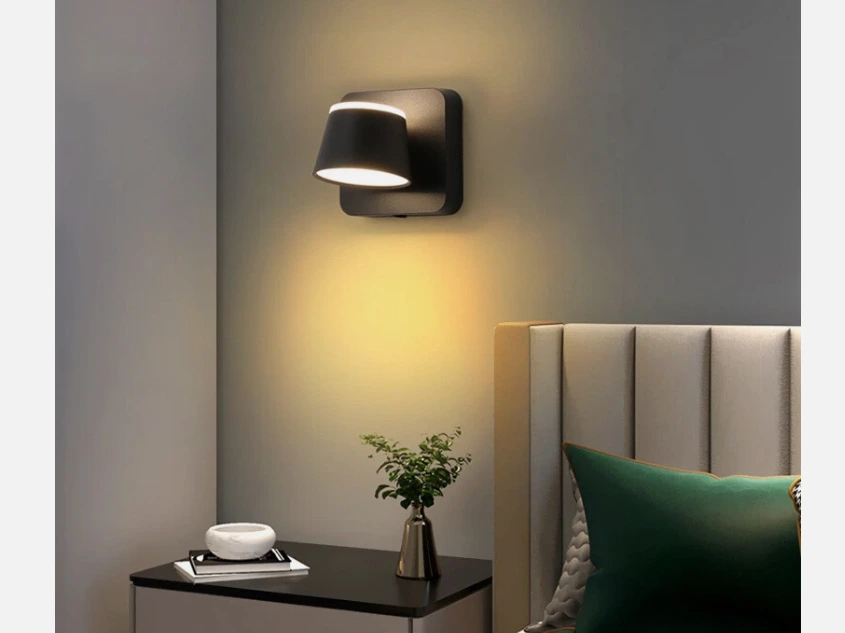
Indoor wall lights are one of the most versatile lighting solutions for modern homes. They not only brighten a space but also enhance its overall appearance by adding warmth, depth, and character. Whether you’re decorating a living room, bedroom, hallway, or bathroom, the right wall lighting can completely transform the atmosphere without taking up valuable floor or table space.
Today’s indoor wall lights are available in countless styles, finishes, and technologies. From sleek minimalist sconces to decorative statement pieces, there’s an option for every interior design. Many homeowners also choose LED wall lights because they are energy-efficient, long-lasting, and available in various color temperatures.
This guide explains the different types of indoor wall lights, their benefits, placement ideas, installation tips, and how to choose the perfect lighting for your home.
Why Indoor Wall Lights Are a Great Choice
Wall-mounted lighting offers more than simple illumination. It creates a balanced lighting design that complements ceiling fixtures and natural daylight.
Unlike floor lamps or table lamps, indoor wall lights save space while providing targeted lighting exactly where it’s needed. They are especially useful in compact rooms where every inch matters.
Wall lighting also helps create layers of light. Instead of relying solely on an overhead fixture, combining wall lights with ceiling lights and accent lighting makes a room feel warmer and more inviting.
Another advantage is flexibility. Whether you want bright task lighting for reading or soft ambient lighting for relaxing, wall lights can be selected to match your specific needs.
Their combination of style and practicality makes them an excellent investment for nearly every room.
Types of Indoor Wall Lights
Indoor wall lights are available in a wide variety of designs, each serving a different purpose.
Wall Sconces
Wall sconces are among the most popular options. They provide decorative lighting while adding elegance to living rooms, bedrooms, and hallways.
Swing Arm Wall Lights
These adjustable fixtures are ideal for reading because the light can be positioned exactly where it’s needed.
Up and Down Wall Lights
These fixtures direct light both upward and downward, creating dramatic lighting effects that highlight textured walls and architectural features.
Picture Lights
Picture lights are designed to illuminate artwork, photographs, and decorative wall displays without overwhelming the room.
LED Wall Lights
LED models combine modern design with excellent energy efficiency, low maintenance, and long operating life.
Each style offers unique benefits depending on the room and desired lighting effect.
Choosing the Right Indoor Wall Lights
Selecting the right wall lighting requires more than choosing an attractive design.
First, consider the room’s purpose. A bedroom may benefit from warm, relaxing light, while a home office often requires brighter illumination.
The fixture’s size should match the wall and surrounding furniture. Oversized fixtures can dominate a small room, while very small lights may appear insignificant on large walls.
Choose finishes that complement existing décor. Matte black, brushed nickel, brass, chrome, and bronze remain popular options for modern interiors.
Color temperature also matters. Warm white lighting creates a cozy atmosphere, while cool white light works well for kitchens, bathrooms, and workspaces.
Finally, consider dimmable options for greater control over brightness throughout the day.
Best Rooms for Indoor Wall Lighting
Wall lighting can improve nearly every room in the house.
Living rooms benefit from decorative sconces placed beside fireplaces, mirrors, or artwork to create a welcoming atmosphere.
Bedrooms often use wall-mounted reading lights beside the bed, eliminating the need for bedside lamps.
Hallways become safer and more attractive with evenly spaced wall fixtures that guide movement through the home.
Bathrooms commonly feature wall lights beside mirrors to provide balanced illumination for grooming and makeup application.
Dining rooms can use decorative wall lighting to complement chandeliers while adding warmth during meals.
Even staircases and entryways become more inviting when properly illuminated with stylish wall fixtures.
Strategic placement helps maximize both function and appearance.
Energy Efficiency and Smart Lighting
Modern indoor wall lights increasingly feature LED technology.
LED bulbs consume significantly less electricity than traditional incandescent bulbs while producing excellent brightness.
Their long lifespan reduces replacement costs and maintenance.
Many fixtures now support smart home technology, allowing homeowners to control lighting using smartphones or voice assistants.
Smart wall lights can be programmed to turn on automatically, adjust brightness, or change color temperatures depending on the time of day.
Motion sensors offer additional convenience in hallways, staircases, and entryways.
Energy-efficient lighting not only lowers electricity bills but also contributes to a more environmentally friendly home.
These innovations make modern wall lighting both practical and future-ready.
Installation and Maintenance Tips
Proper installation ensures safe and effective performance.
Plan fixture placement before installation to achieve balanced lighting throughout the room.
Wall lights should generally be installed at eye level, though exact height depends on the fixture style and intended use.
If wiring is required, hiring a qualified electrician helps ensure safety and compliance with local electrical codes.
Cleaning wall lights regularly keeps them looking attractive and maintains maximum brightness.
Dust fixtures with a soft cloth and avoid abrasive cleaning products that may damage finishes.
Check LED components and electrical connections periodically to ensure reliable operation.
Following the manufacturer’s maintenance recommendations helps extend the lifespan of your lighting investment.
Common Mistakes to Avoid
One common mistake is installing wall lights too high or too low, which can create uneven lighting or unwanted glare.
Choosing fixtures that are too large for the available wall space may overwhelm the room’s design.
Ignoring color temperature can also affect the overall atmosphere. Mixing warm and cool lighting in the same area sometimes creates an inconsistent appearance.
Using only wall lighting without considering other light sources may leave certain areas too dark.
Poor fixture spacing in hallways can result in uneven illumination.
Finally, selecting decorative fixtures without considering brightness requirements may reduce functionality.
Thoughtful planning helps achieve a balanced combination of beauty and performance.
Final Thought
Indoor wall lights are an excellent way to improve both the appearance and functionality of your home. They provide stylish illumination while saving space, creating layered lighting, and enhancing the atmosphere of every room.
From elegant wall sconces and adjustable reading lights to modern LED fixtures and smart lighting systems, today’s options suit every interior style and budget. Choosing the right fixtures, placing them strategically, and maintaining them properly ensures long-lasting performance and visual appeal.
Whether you’re renovating an entire home or simply updating one room, indoor wall lighting offers a practical and attractive solution that combines comfort, efficiency, and timeless design.
FAQs
What are indoor wall lights used for?
Indoor wall lights provide ambient, task, or accent lighting while enhancing the overall appearance of a room.
Where should indoor wall lights be installed?
They are commonly installed in living rooms, bedrooms, hallways, bathrooms, staircases, dining rooms, and entryways.
Are LED indoor wall lights better?
Yes. LED wall lights are energy-efficient, long-lasting, produce less heat, and require minimal maintenance.
Can wall lights replace ceiling lights?
Wall lights can supplement ceiling lighting, but in most rooms they work best as part of a layered lighting design.
What color temperature is best for indoor wall lights?
Warm white (around 2700K–3000K) creates a cozy atmosphere, while cool white (4000K–5000K) is better for task-oriented spaces.
Do indoor wall lights require professional installation?
Battery-powered models are simple to install, but hardwired fixtures are best installed by a qualified electrician for safety and proper wiring.
